Guinea Junta Silences Dissent: Major Political Parties Suspended Ahead of Referendum
Guinea's military junta has suspended three major political parties, including that of former President Alpha Condé, ahead of a contentious constitutional referendum. The move has ignited widespread opposition protests and raised international concerns about democratic regression and the junta leader General Mamadi Doumbouya's grip on power.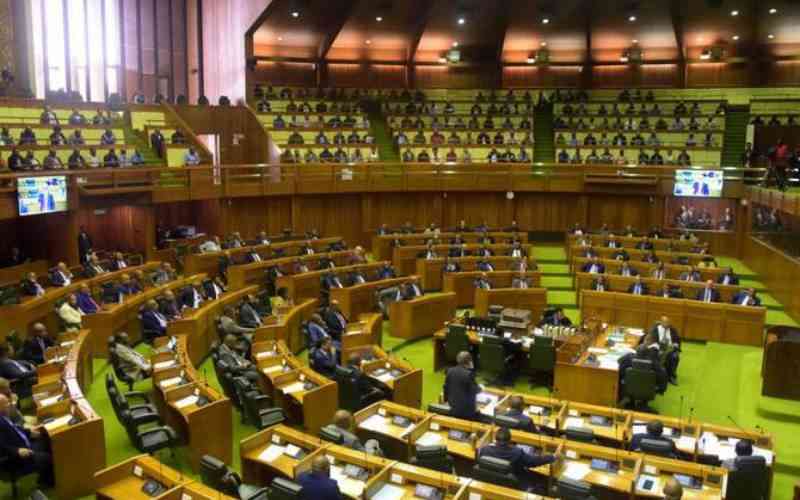
Guinea's military junta has suspended three major political parties for three months, a move that significantly escalates political tensions in the West African nation as it prepares for a highly contentious constitutional referendum. The order, seen by AFP, comes amidst rising opposition and civil society protests against what they view as a consolidation of power by junta leader General Mamadi Doumbouya.
The affected parties include former president Alpha Condé's Rally of the Guinean People (RPG), the Union of Democratic Forces of Guinea (UFDG), led by former prime minister Cellou Dalein Diallo, and the Party of Renewal and Progress (PRP). The junta stated that these parties "have not fulfilled the obligations required of them." This suspension signals a tightening grip on Guinea's political landscape by Doumbouya, who seized power in a September 2021 coup that ousted Condé after a decade in office.
Opposition groups and civil society organizations have planned mass demonstrations, set to begin on September 5, to condemn Doumbouya's actions. These protests aim to challenge what critics describe as a power grab and a threat to democratic norms. In a separate order, the junta also postponed the start of the election campaign period for the revised constitution by a week, moving it to August 31. This follows a ban on all demonstrations since 2022, with several opposition leaders having faced arrest, prosecution, or forced exile.
The constitutional referendum, scheduled for September 21, proposes significant amendments to the nation's foundational document. A draft constitution was presented to Doumbouya in June, which, according to analysts, could open the way for a return to civilian rule but crucially does not clarify whether Doumbouya himself could stand as a candidate in the next presidential election. This is a point of major contention, as a "transition charter" drawn up shortly after the coup had previously stipulated that none of the junta's leaders, government members, or heads of institutions would be eligible to stand in elections. The adoption of a new constitution could effectively remove this restriction, sparking fears of an extended military dominance in a country with a history of dictatorial governments.
International rights groups, including Human Rights Watch and Amnesty International, have expressed alarm over the escalating political repression in Guinea. They warn that the junta's actions threaten the country's already fragile democracy and could provoke wider unrest if public grievances are ignored. Analysts caution that the coming weeks will be pivotal for Guinea, as both domestic and international scrutiny intensifies around the referendum process and the military’s role in the nation’s governance. The suspension of major opposition groups underscores the junta’s determination to limit dissent, raising fears that Guinea’s political transition may be marred by heightened instability and a deepening crisis of legitimacy.