Uche Nnaji’s Governorship Ambition Faces Fresh Scrutiny Amid Certificate Forgery Allegations
Former Minister Uche Nnaji is aggressively pursuing the Enugu State governorship in 2027 despite a certificate forgery scandal and ongoing investigations by the ICPC and Ministry of Education. Sources indicate his desperation stems from a desire to gain constitutional immunity from prosecution. This strategy mirrors other Nigerian politicians who used elected office to circumvent legal challenges.
Former Minister of Innovation, Science and Technology, Uche Nnaji, is facing renewed scrutiny as he positions himself for the Enugu State governorship race ahead of the 2027 elections.
The controversy stems from a certificate forgery scandal, which alleged that forged degree and National Youth Service Corps (NYSC) certificates were submitted during his ministerial confirmation process.
The allegations gained national attention after reports claimed the disputed documents were presented during Nnaji’s ministerial screening. He later resigned from the Federal Executive Council.
Following his resignation, Nnaji left the All Progressives Congress (APC) and aligned with a faction of the Peoples Democratic Party (PDP). He subsequently emerged as a governorship aspirant despite reports that the Independent Corrupt Practices and Other Related Offences Commission (ICPC) had opened an inquiry into the allegations.
The controversy deepened after reports emerged that an investigative panel established by the Federal Ministry of Education reviewed the matter. Findings attributed to the panel were later reported by AllAfrica's report on the Education Ministry panel findings, which cited claims that the former minister’s academic and NYSC credentials could not be authenticated.
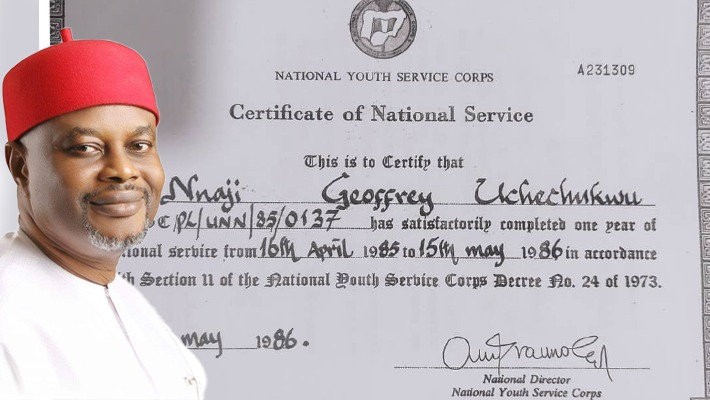
Sources familiar with the situation claim Nnaji is concerned about the implications of the ongoing investigations and any potential prosecution. According to those sources, his governorship ambition is partly influenced by the constitutional immunity granted to serving governors under Nigerian law.
Section 308 of the 1999 Constitution grants immunity from civil and criminal proceedings to serving presidents, vice presidents, governors and deputy governors while in office. The provision prevents such officials from being arrested, prosecuted or compelled to appear before a court during their tenure.
Political analysts note that the use of constitutional immunity as a shield against prosecution has remained a contentious issue in Nigerian politics. Several past cases involving public officials have reignited debate over whether the provision should be reviewed in the interest of accountability.
Despite the allegations, Nnaji’s supporters insist he remains a formidable contender in Enugu politics. Critics, however, argue that the questions surrounding his credentials must be conclusively resolved before voters are asked to entrust him with the state's highest office.
As preparations for the 2027 elections gather pace, the controversy is expected to remain a major issue in Enugu’s political landscape, with both supporters and opponents closely watching developments in the months ahead.