Government Moves to Control Media Prices, Targets DSTV, GoTV and Startimes
Nigeria's House of Representatives is considering a bill to give the NBC power to regulate Pay-TV subscription prices for DSTV, GOTV, TSTV, and Startimes — here's what it means for consumers and operators.
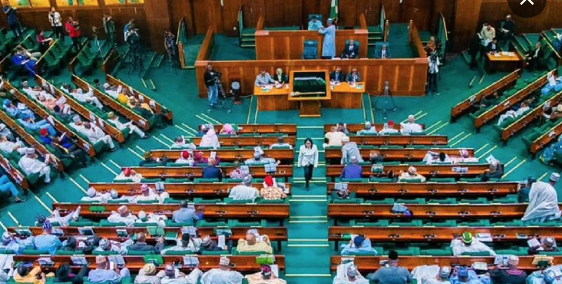
The Nigerian House of Representatives is currently considering a significant bill aimed at regulating the prices of Pay-As-You-Go (PAYG) entertainment services provided by operators such as DSTV, GOTV, TSTV and Startimes.
Sponsored by Rep. Unyime Idem (PDP-Akwa Ibom), this proposed legislation seeks to amend Section 2(1) of the Principal Legislation, thereby granting the National Broadcasting Commission (NBC) explicit power to regulate and review the tariffs and subscription policies of digital satellite television services and other broadcasting outfits in Nigeria through its broadcasting codes.
The bill outlines several objectives for the Commission's oversight, including guaranteeing openness and fostering healthy competition within the industry for all participants.
It also aims to promote efficiency and expand opportunities for local investors, ensuring their participation without undermining active foreign investment.
Furthermore, the bill intends to assist local operators in attaining and maintaining a competitive edge in the market.
This legislative move comes in the wake of past controversies surrounding price hikes by major Pay-TV operators. In 2020, DSTV increased its prices twice within three months, and Startimes followed suit with approximately a 22% increase in August of the same year.
Operators like Startimes attributed these hikes to external factors such as an increase in Value Added Tax (VAT) from 5% to 7.5% and rising operating costs.
DSTV cited similar reasons, noting that price stability was only possible when external pressures like VAT rates and naira depreciation remained at manageable levels.
Despite public outcry and concerns from the House of Representatives, operators proceeded with these price adjustments to mitigate operational costs and maintain positive cash flow.
If enacted, the bill will fundamentally change how subscription prices are determined, as companies will no longer be able to alter package prices at will. Instead, service providers will be required to intimate the NBC of any intended changes to packages and prices, allowing the commission to review and act as it deems appropriate.
This new framework could potentially reduce the additional profits operators generate, particularly if they do not prioritize reducing operating costs and minimizing losses from foreign exchange fluctuations.
Multichoice, the parent company of DSTV and GOTV, reported gains of N164.51 billion in the second half of 2020, largely attributing this financial growth to reduced foreign exchange losses and price hikes across Nigeria, South Africa and other African markets, even amidst the economic challenges posed by the Covid-19 pandemic.
Nigeria is not alone in its endeavor to regulate Pay-TV prices. Angola, for instance, already has a system in place where operators must seek regulatory approval from the Angolan Institute of Communications (Inacom) before implementing any fee increases.
In March 2019, Inacom successfully blocked a proposed 20% hike by Multichoice, leading to a review and subsequent approval of a revised fee increase. This demonstrates that a similar framework can facilitate price adjustments considered fair by both service providers and subscribers.
Latest Tech News
Decode Africa's Digital Transformation
From Startups to Fintech Hubs - We Cover It All.
In contrast, a similar attempt by the Botswana Communications Regulatory Authority (BOCRA) to mandate tariff approval failed. Multichoice successfully challenged BOCRA's regulation in the court of appeals, where judges ruled in the company's favour, asserting its right to adjust prices at will.
The Nigerian process, however, differs significantly from Botswana's. If the bill before the House of Representatives is signed into law, it will grant statutory power to the NBC to regulate Pay-TV pricing.
This legal backing means that, unlike Botswana's case, the law would be upheld in any court, compelling Pay-TV operators to comply or risk ceasing their services in the country.