Global Warning: Africa and the World 'Dangerously Unprepared' for Next Pandemic
A WHO report, "A World on the Edge," highlights global shortcomings in pandemic preparedness, especially in Africa, a decade after Ebola and six years post-COVID-19. It emphasizes the urgent need for Africa to bolster its capacity through independent risk monitoring, health workforce retention, equitable access to countermeasures, sustainable financing, and sustained political attention. These measures are critical for building a resilient future against health crises.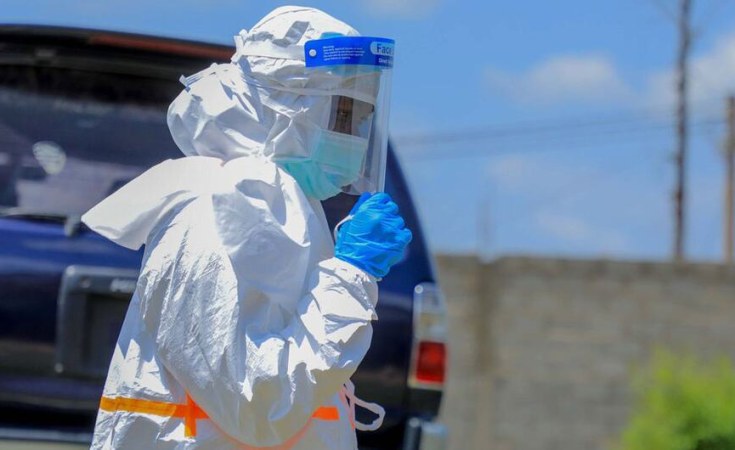
In mid-May 2026, amid the spread of an Ebola outbreak, the World Health Organization (WHO) released a significant report titled: "A World on the Edge: Priorities for a Pandemic-Resilient Future." This document, prepared by the WHO's Global Preparedness Monitoring Board, critically assessed why global preparedness for pandemics remains inadequate, a decade after Ebola exposed dangerous gaps and six years after COVID-19 escalated those gaps into a global catastrophe. The report underscores that investment in pandemic preparedness has not kept pace with the increasing risk of future outbreaks.
The Global Preparedness Monitoring Board, an independent body established in 2018 by the WHO and the World Bank, was created to strengthen preparedness for global health crises. Composed of political leaders, agency principals, and world-class experts, its mandate is to assess global progress in building and sustaining the capacity to prevent, detect, and respond to health emergencies. The report's release coincided with another Ebola epidemic, this time originating in the Democratic Republic of Congo, which the WHO declared a public health emergency of international concern on May 17. This declaration highlighted the potential for international spread and the urgent need for coordinated global efforts.
A virologist and former global health administrator emphasized the vital importance of the monitoring board's diagnosis and recommendations for effective pandemic management. A primary observation about the report is that its recommendations remain largely unimplemented by many countries, particularly in Africa, where pandemics frequently thrive and disease epidemics rage. For Africa to enhance its resilience, it must build trust in its own capacity to prepare for, prevent, and control disease outbreaks.
To achieve this, and in alignment with the report's recommendations, Africa must sustain efforts in several key areas:
Independent Pandemic Risk Monitoring: African countries must take ownership of health solutions by establishing data systems that uphold health sovereignty, utilizing local resources and financing. Data derived from surveillance, research, and pathogen processing must be securely managed and accountable to African institutions, not foreign entities. Recent agreements with the US have brought concerns to the forefront regarding potential pressure on African countries to cede health data or release pathogens in exchange for donor funding. Health data are invaluable for public health, clinical management, and research, aiding in disease identification and the development of vaccines and treatments. Instead, African countries should mobilize locally sourced counterpart funds to foster an environment that supports indigenous scientists and researchers in developing innovations from national pathogens for global benefit. The WHO-Africa Region and the Africa Centers for Disease Control (an agency of the African Union) should collaborate to spearhead these efforts through centralized disease control and tracking scorecards.
Health Workforce Capability and Retention: Fostering the well-being of the health workforce leads to growth, higher productivity, national pride, and loyalty, contributing to long-term retention. African countries should prioritize capacity retention over mere capacity building. This involves creating and sustaining conducive work environments, including physical workspaces and psychological safety. Adequate resources, such as materials, laboratory facilities, supplies, reagents, and consumables, are essential for trained African health workers and researchers to function effectively and productively, enabling them to focus on local health issues and find appropriate solutions.
Equitable Access to Countermeasures: Africa must not compromise on ratifying international health pacts that guarantee fair technology transfer, intellectual property waivers, and robust regional manufacturing capabilities. Countries must also expand local production of laboratory diagnostic kits, vaccines, medical supplies, and non-medical products like gloves, personal protective equipment, and masks. This strategy will reduce reliance on external donations and supply chains, which are often disrupted during global crises.
Sustainable Financing: A significant challenge for many African countries is the waste of available resources and spending on misplaced priorities. Governments must commit to sustained domestic investment in healthcare and utilize blended financing (involving both public and private sectors) to close remaining gaps. Initiatives such as the African Epidemic Fund, launched in 2025 to mobilize funding for preparedness and response efforts across the continent, offer a practical model for building financial reserves for rapid, locally led responses. This fund, despite its relative newness, must operate with the highest level of accountability, providing regular updates on contributions, supported projects, and their impact on disease preparedness, prevention, and control in Africa.
Sustained Political Attention: African leaders must keep pandemic preparedness high on the political agenda to ensure continuous resource allocation and accountability. Advocacy for preparedness should extend beyond political campaign slogans and be driven by regional bodies like the African Union. Countries must then translate these commitments into tangible national policies. There can be no respite from pandemic preparedness. African political leaders and elites, at all levels, have crucial roles in fostering trusted community engagement and involvement for successful and reliable pandemic preparedness.
Above all, active community engagement and involvement are paramount for effective pandemic preparedness and response.