Ghana's Journalists Under Fire: GJA Fights Back Against Crippling Defamation Suits!
Ghana's media faces critical threats from the absence of a dedicated defamation law, leading to strategic lawsuits that intimidate journalists and undermine investigative reporting. Legal experts and the Ghana Journalists Association call for legislative reform to establish clear legal parameters, advocating for greater use of rejoinders and adherence to ethical codes to protect press freedom.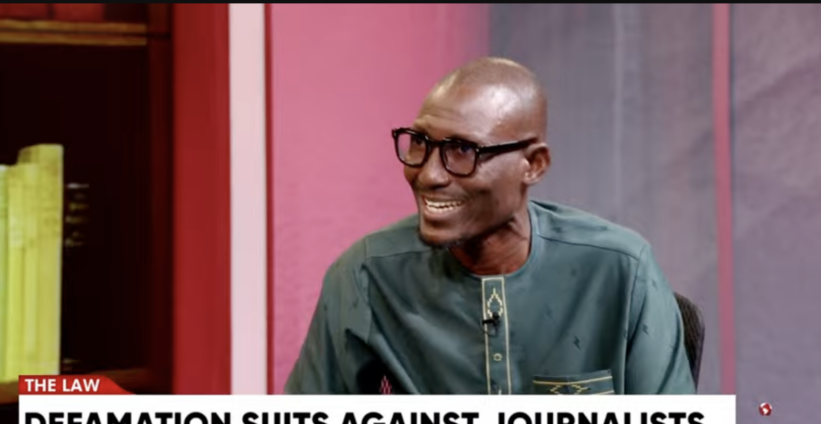
Ghana's media landscape faces a critical challenge due to the absence of a dedicated defamation law, a void that experts warn is exposing journalists to strategic lawsuits designed to intimidate and silence public participation. Zakaria Tanko Musah, a lawyer and lecturer at the University of Media, Arts and Communication (UniMAC), and Dominic Hlordze, the General Secretary of the Ghana Journalists Association (GJA), have both highlighted these concerns, emphasizing the resultant legal uncertainties and severe impact on press freedom.
Mr. Musah explained that Ghana's legal framework on defamation remains grounded in common law, without standalone legislation defining the offense or establishing clear parameters. Under this common law framework, defamation occurs when a false statement about a person causes them to be viewed negatively by a reasonable member of society. This lack of codified legislation, he argues, has created legal uncertainty, making it easier for powerful individuals to weaponize the courts through Strategic Lawsuits Against Public Participation (SLAPPs). These lawsuits are often filed not because journalists have acted unlawfully, but to burden them with costly legal battles they may be unable to sustain, effectively intimidating and silencing them.
Mr. Hlordze corroborated these points, describing the financial imbalance between journalists and influential litigants as making the courts a tool for suppressing critical reporting. He disclosed an alarming rise in defamation and related cases against journalists and media organizations, with over 15 such cases currently pending, and many more existing off the record. Mr. Hlordze himself is personally handling 15 of these cases. He stressed that this financial burden forces many journalists away from active fieldwork and into courtrooms, severely impacting investigative journalism, which he terms the “lifeblood of journalism.” This situation, he warned, poses a direct threat to democratic accountability by undermining journalism's core function of holding power to account and keeping citizens informed.
The challenging legal landscape for journalists is further exemplified by high-profile cases, such as the contempt case involving Larry Dogbey, editor of The Herald newspaper. Dogbey was sentenced to seven days in prison by an Accra High Court for articles related to a legal dispute between businessman Kevin Okyere and Petraco SA. Though he was later granted bail under exceptional circumstances, this incident sharpened the debate about the boundaries of contempt law as it applies to media coverage of ongoing litigation and whether current legal frameworks adequately protect journalists reporting on matters of public interest.
In response to these challenges, both Mr. Musah and Mr. Hlordze advocate for significant legislative reform. Mr. Hlordze has explicitly called on Parliament to enact a dedicated defamation law, arguing that the country's continued reliance on common law principles is inadequate. He believes a comprehensive defamation law would provide a clear legal framework to guide media practitioners, define the rights of aggrieved persons, and establish consistent standards for the courts, thereby removing uncertainty by spelling out what constitutes defamation, available legal defenses, remedies for complainants, and applicable sanctions.
Beyond legislative reform, Mr. Hlordze also recommended immediate measures and ethical adherence. He urged individuals and institutions aggrieved by media publications to first exercise their right of rejoinder, which media organizations are obligated to publish, citing a constructive instance involving a former Attorney General and the Graphic newspaper. Furthermore, he stressed the importance of strict adherence to the GJA Code of Ethics, noting that research by the Association found nearly 40 percent of its provisions overlap with existing laws, meaning compliance significantly reduces journalists' exposure to legal challenges. While acknowledging the perspective of complainants who bypass rejoinders, he maintained that responsible journalism is the strongest safeguard.
The GJA General Secretary underscored an important distinction between legitimate legal action arising from genuine journalistic errors and strategic lawsuits intended to suppress public-interest reporting, which he describes as an attempt to