Ghana's Green Future: GoldBod & Military Launch Massive Forest Reclamation in Tano Nimri
The Ghana Gold Board (GoldBod), in partnership with the Ghana Armed Forces and the Forestry Commission, is actively reclaiming land damaged by illegal mining, or galamsey. A major GH¢35 million project in the Tano Nimri Forest Reserve focuses on restoring 60 hectares through engineering works, with future plans to reforest the area and reclaim an additional 150 hectares by 2027, emphasizing environmental protection over economic gain.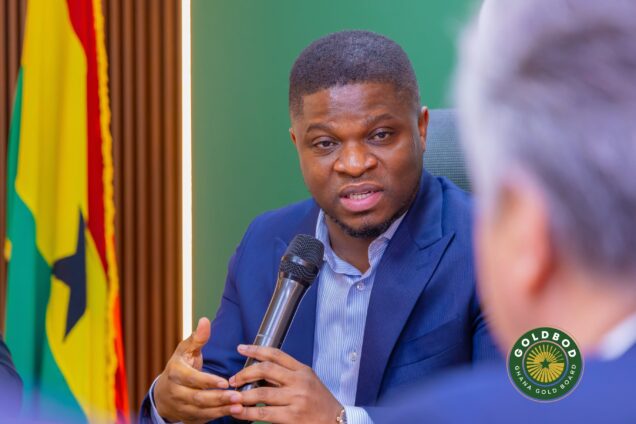
The Ghana Gold Board (GoldBod) has launched significant initiatives to combat environmental degradation caused by illegal mining, commonly known as galamsey, in the country's vital forest reserves. Central to these efforts is a strategic partnership with the Ghana Armed Forces Engineer Regiment and the Forestry Commission, aimed at reclaiming and restoring severely damaged landscapes.
One prominent project involves a GH¢35 million land reclamation effort in the Tano Nimri Forest Reserve. This collaboration specifically targets 60 hectares within Compartment 161, an area extensively damaged by illegal mining activities that led to the destruction of approximately 192.4 hectares of woodland between 2021 and 2024. GoldBod Sustainability Manager, Samuel Danso, highlighted that the extensive excavations, deep pits, and unstable ground left by illegal mining make natural recovery virtually impossible without substantial engineering intervention.
The Ghana Armed Forces Engineer Regiment, under the command of Major Shem Adolinama, is spearheading the heavy earthmoving and civil engineering phases of the project. Their critical operations include filling dangerous mining pits, stabilizing the soil, and reshaping the landscape to create suitable conditions for future vegetation growth. Additionally, engineers are constructing crucial drainage channels to manage water movement effectively and mitigate the risk of sediment runoff into the Tano River. These interventions are designed to address both the visible destruction and the underlying land and water management challenges that could impede the reserve's long-term recovery.
With the major engineering works nearing completion, the reclaimed site is undergoing final grading and preparation for its next phase. GoldBod and the military engineering team anticipate handing over the restored area to the Forestry Commission in the coming weeks. The Commission will then assume responsibility for the subsequent reforestation phase, which includes the meticulous planting of trees and the nurturing of indigenous vegetation, crucial for re-establishing the ecological functions of the damaged forest. The longer-term success of the site's recovery will depend on the establishment of this new vegetation and vigilant protection against any renewed illegal mining activities.
Beyond this specific project, GoldBod has outlined broader ambitions for environmental restoration. The Board aims to reclaim an additional 150 hectares of degraded forest land in 2027, expanding its programme across 30 different forest reserves. GoldBod firmly reiterates its commitment to balancing Ghana's gold production goals with robust environmental protection, asserting that “No amount of foreign exchange is worth a lost forest.” This reflects GoldBod’s dedication to responsible and sustainable gold production, ensuring that the economic benefits of gold do not come at the expense of the nation's precious natural resources and that local communities benefit without their environmental heritage being undermined.