Ghana's Galamsey Crisis: Archbishop Duncan-Williams Unleashes Fierce Critique on Illegal Mining Menace
Archbishop Nicholas Duncan-Williams linked Ghana's illegal mining crisis to foreign exploitation and a national culture of indiscipline, urging both spiritual intervention and robust law enforcement. He stressed the Church's responsibility to educate citizens on environmental stewardship, warning that galamsey leads to national self-destruction with severe long-term consequences.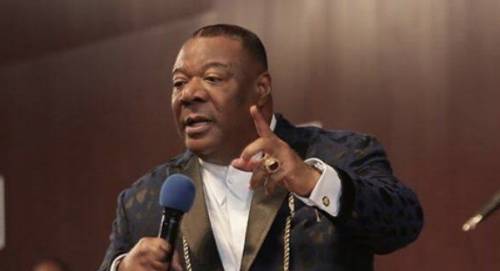
Archbishop Nicholas Duncan-Williams, the General Overseer of Action Chapel International, has extensively voiced his profound concerns regarding illegal gold mining, commonly known as galamsey, in Ghana. Speaking repeatedly on Joy FM’s Super Morning Show, the Archbishop highlighted that many Ghanaians are largely unaware of the immense financial gains foreign nationals are extracting from these illicit activities. His insights are partly drawn from information gathered during his travels abroad, which revealed the vast scale of financial interests driving foreign involvement in Ghana’s illegal gold exploitation. He emphasized that these foreign entities often use Ghanaians as fronts, exploiting their labor while accumulating significant wealth.
Beyond the immediate financial exploitation, Archbishop Duncan-Williams connected the galamsey crisis to a deeper societal issue: a pervasive culture of indiscipline, poor compliance with laws, and weak accountability in Ghana. He argued that illegal mining should not be viewed in isolation but as a symptom of a broader national challenge where existing laws and regulations are frequently ignored or inadequately enforced. Drawing parallels from a visit to Kigali, Rwanda, where he observed widespread adherence to regulations like motorcycle helmet use, he contrasted this with Ghana's "not compliance-driven" populace, suggesting that indiscipline is deeply rooted in the national upbringing and affects all facets of public life.
The Archbishop also shed light on the dangerous and organized nature of illegal mining operations. He described those involved as armed individuals operating within what he characterized as extensive "cartels," noting that some even engage in "powers from the other side" and fetish-related activities. This organized resistance poses significant risks to security personnel and other officials tasked with enforcing the law, making their job exceptionally perilous.
In response to these challenges, Archbishop Duncan-Williams called for a dual approach involving both spiritual intervention and robust law enforcement. He urged Ghanaians to pray for political leaders and all those actively combating illegal mining, stressing that these individuals require spiritual backing and public support to navigate their risky duties. He clarified that his call for prayer is meant to complement, not replace, the efforts of security agencies and state institutions in enforcing anti-galamsey laws. He emphasized the necessity of prayer for the protection and empowerment of key figures involved, including the President, GoldBod leadership, the military, national security, and the police, especially given the face-to-face confrontations with heavily armed individuals.
Crucially, the Archbishop underscored the Church’s responsibility beyond mere prayer. He advocated for religious institutions to actively educate their members and the wider public about the severe environmental and social consequences of irresponsible mining. He contended that education is a vital intervention, empowering citizens to understand that the goal is not to prohibit mining entirely but to ensure it is conducted responsibly and legally. He reminded congregants that they are citizens who participate in every aspect of national life, making the Church a powerful platform for promoting civic responsibility and environmental stewardship.
Archbishop Duncan-Williams issued a stark warning about the long-term repercussions of environmental degradation caused by galamsey. He highlighted the destruction of forests, the widespread pollution of water bodies, and the contamination of valuable agricultural land, often with substances like mercury. He argued that any short-term financial benefits from mining would be rendered meaningless if communities were left without safe drinking water, productive farmland, or a healthy environment for future generations. Describing the ongoing environmental destruction as an act of "national self-destruction," he urged Ghanaians to pursue economic opportunities responsibly, always prioritizing the impact of their activities on the environment.
The issue of illegal mining, he stressed, must not be reduced to partisan politics. Instead, it requires a unified national responsibility, demanding discipline, accountability, and respect for the law from all citizens, businesses, and institutions. He noted that resistance to enforcement often stems from a lack of appreciation for these principles, making the fight against galamsey politically sensitive. The Archbishop's concerns were further amplified by interactions with foreign nationals, some of whom contacted him seeking assistance to access the Ghana Gold Board (GoldBod) after their previous channels for gold acquisition were cut off. This reinforced his belief in significant external interests attempting to influence Ghana’s gold mining and trade, and he noted that some foreign nationals were unhappy about GoldBod's establishment. He, however, clarified that he does not engage in gold business.
Ultimately, Archbishop Duncan-Williams urged a comprehensive approach to tackling galamsey, one that transcends arrests and enforcement to address the deep-seated cultural issues of indiscipline and non-compliance. He emphasized that a lasting solution would necessitate a sustained, long-term effort to transform attitudes towards responsibility, accountability, and adherence to the law, thereby protecting Ghana’s natural resources for present and future generations.