Ghana Rocked by GH¢21 Billion Audit Scandal, Calls for Prosecution Mount!

An extensive audit of public claims submitted to Ghana's Ministry of Finance has unveiled widespread financial irregularities, sparking a national debate on accountability within the public sector. The audit, which reviewed a staggering GH¢68.7 billion in claims, resulted in the rejection of GH¢8.1 billion due to various anomalies, while an additional GH¢13.2 billion was flagged for serious concerns. This brings the total amount under scrutiny to GH¢21.3 billion, a disclosure that has led to fervent calls for both systemic reforms and immediate prosecution of those implicated.
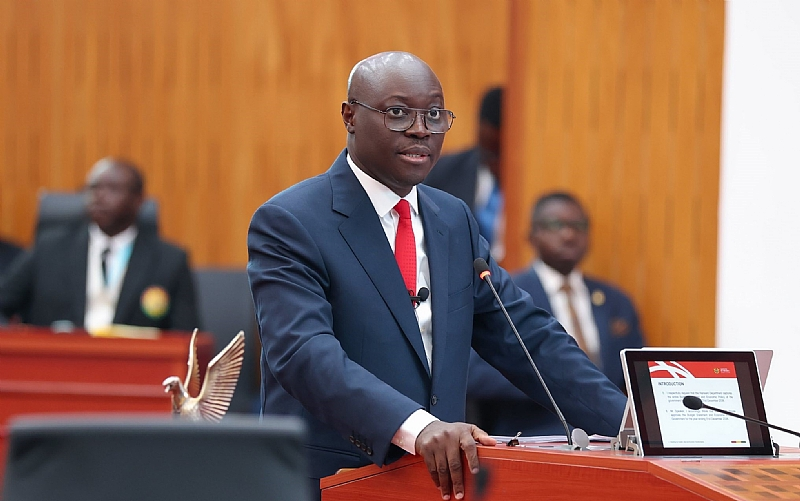
The irregularities uncovered by the Ministry of Finance are extensive, encompassing unsupported documentation, duplicated submissions, inflated figures, and payments for work that was never undertaken. Further findings revealed fictitious claims, recycled invoices, forged store receipt advice, and alleged collusion between contractors and public officials. These revelations, initially presented in Parliament by Deputy Finance Minister Thomas Nyarko Ampem on behalf of Finance Minister Dr. Cassiel Ato Forson, have highlighted deep-seated weaknesses within the public financial management system.
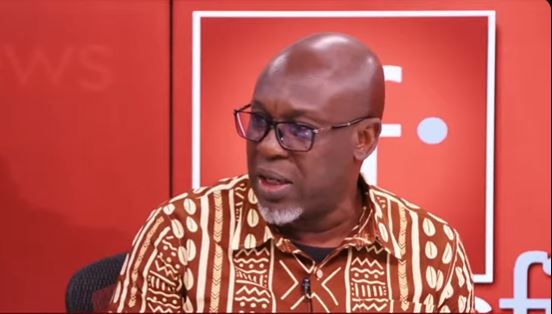
Prominent figures have weighed in on the controversy, offering divergent perspectives. Kofi Bentil, Senior Vice President of IMANI Africa, critically observed the country's tendency to solely blame politicians, arguing that accountability efforts should extend to civil servants who "actually run the system." He emphasized that many questionable transactions, such as duplicated invoices or inflated claims, originate within the administrative bureaucracy responsible for processing and approving payments, pointing to systemic flaws that enable such practices irrespective of who is in political office.
However, the narrative of a "GH¢21 billion audit exposé" has met with skepticism from some quarters. Michael Okyere Baafi, Former Deputy Trade Minister, dismissed this framing as misleading and politically motivated, suggesting it is a government tactic to divert public attention from pressing national challenges. Similarly, Andrew Egyapa Mercer, former MP for Sekondi and Minister for Tourism, Arts and Culture, characterized the government's handling of the issue as a public relations strategy. He argued that the timing appears calculated to overshadow other critical matters, such as the recent reduction in cocoa prices and frustrations stemming from security service recruitment, which have generated significant public uproar.
Despite these criticisms, a strong consensus has emerged among others for stringent action. Joe Jackson, CEO of Dalex Finance Ghana, vehemently called for the prosecution and jailing of individuals implicated, asserting that Ghana cannot afford to allow such financial irregularities to persist across government transitions without severe consequences. Senyo Hosi, Convener of the OneGhana Movement, echoed this sentiment, describing the audit findings as "evidence of deep systemic failure" and arguing that the country’s governance system appears "designed to loot the state." He stressed the urgent need for fundamental reforms to the accountability framework and the strengthening of institutions responsible for financial oversight to prevent collusion and protect state resources.
In response to the audit findings, the Ministry of Finance has referred the matter to the Office of the Attorney-General and the Ministry of Justice for possible criminal prosecution. Concurrently, the government has introduced a "triple-lock" accountability framework, designed to enhance verification procedures and tighten budgetary controls before any public payments are approved. Interestingly, Senyo Hosi also commended Finance Minister Cassiel Ato Forson for initiating the audit, acknowledging it as a "bold and necessary step" towards strengthening accountability in public funds management and signaling a commitment to confront systemic issues.
The ongoing debate underscores the multifaceted challenges of financial accountability in Ghana, with stakeholders calling for a balance between political responsibility and bureaucratic diligence, and a clear demand for justice and enduring systemic changes.
You may also like...
World Cup Outrage! Asisat Oshoala Blasts New 2026 FIFA Rule as 'Crazy'

Super Falcons star Asisat Oshoala has voiced her strong dissatisfaction with new FIFA rule changes for the 2026 World Cu...
Star Shaken! Kawhi Leonard Exits Clippers Game With Ankle Sprain

LA Clippers star Kawhi Leonard suffered a sprained left ankle during a game against the Sacramento Kings, forcing him to...
Trump Blasts Chalamet & Styles on SNL, Declaring Market's 'One Direction'!

Donald Trump stormed the "Saturday Night Live" cold open on March 14, with James Austin Johnson playing the former presi...
Harry Styles Electrifies SNL with Fiery Queerbaiting Clapback and On-Air Kiss!

Harry Styles made a noteworthy return to "Saturday Night Live," using his opening monologue to playfully address queerba...
Malawi Pension Fund Embroiled in K128.7bn Amaryllis Deal Scandal

A major controversy has erupted over the K128.7 billion purchase of the Amaryllis Hotel, as former trustees of the Publi...
Scarpetta's Rising Stars Spill Season 2 Secrets and Wildest Dreams!

The young cast of "Scarpetta" — Rosy McEwen, Jake Cannavale, and Hunter Parrish — discuss adapting their roles from a po...
Mysterious OPay Sightings Spark Wild Curiosity in Lagos

XtraCova.
Celebrity's Poignant Reflection on Giving and Gaining Revealed

Unilever Nigeria Plc recently hosted an inspiring International Women’s Day event themed “Give to Gain” #InHerElement, f...