Ghana Debates Military Recruitment Age: Experts Clash on Raising Entry Limit
A debate is intensifying in Ghana over proposed changes to the Ghana Armed Forces (GAF) enlistment age limit, with MPs Sam Nartey George and Rockson-Nelson Dafeamekpor advocating for an increase to 35-40 years. This move, citing global trends and physical fitness, faces strong opposition from Rev. John Ntim Fordjour and Colonel Festus Aboagye (Rtd.), who emphasize prioritizing GAF resources and warn against operational and social disruptions.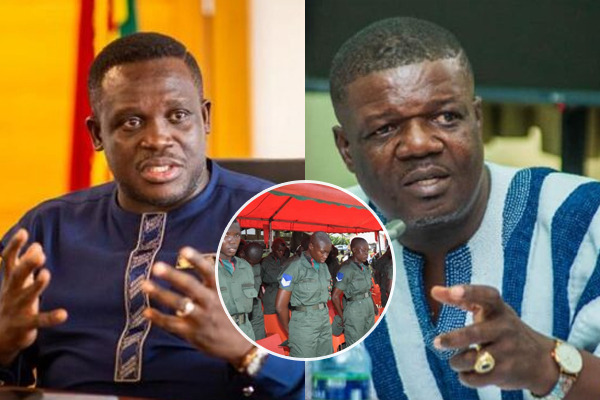
A significant debate has emerged in Ghana regarding the age limit for enlistment into the Ghana Armed Forces (GAF), following renewed calls by Communications Minister Sam Nartey George and Member of Parliament for South Dayi, Rockson-Nelson Dafeamekpor. These political figures advocate for an upward review of the current maximum enlistment age, proposing an increase to 35 years or even 40 years for certain roles. Their proposals have sparked strong reactions, particularly from the Ranking Member on Parliament’s Defence and Interior Committee, Rev. John Ntim Fordjour, and retired military officer and security consultant, Colonel Festus Aboagye (Rtd.), who argue against such changes.
Minister Sam Nartey George initiated the discussion through a Facebook post, asserting that many Ghanaians in their thirties remain physically fit and mentally capable of serving their nation. He contended that denying these individuals the opportunity due to age alone is unjust, believing that an upper limit of 35 years would better serve the aspirations of young people. Echoing this sentiment, MP Rockson-Nelson Dafeamekpor supported the call, highlighting concerns raised by "party foot soldiers" regarding the restrictive nature of the current age policy. Dafeamekpor buttressed his argument by presenting findings on maximum enlistment ages from various countries globally. His research indicated that several African nations, such as Benin, Côte d'Ivoire, and Togo, permit enlistment up to 35 years, while Kenya extends this to 39 for specific positions. Notably, Tanzania has limits as high as 62 years. In Europe, the UK allows regular soldiers to enlist up to approximately 36 years and reservists up to 42, with Germany reportedly setting a general maximum enlistment age of 50. Countries in North America, Asia, and Oceania also show a broad spectrum, with some allowing much older maximum enlistment ages in certain categories. Based on these international comparisons, Dafeamekpor suggested that Ghana could safely raise its enlistment cap to 35 or even 40 years, especially for medically fit individuals or non-combatant roles.
However, these calls for an age limit revision have been met with staunch opposition. Rev. John Ntim Fordjour, Ranking Member on Parliament’s Defence and Interior Committee, firmly dismissed the proposals as "needless." Speaking on JoyNews’ The Pulse, Rev. Fordjour emphasized that the priority for GAF should be substantial investment, retooling, and resourcing to enhance its operational effectiveness, rather than altering recruitment criteria. He argued that the GAF does not require a review of its age limit but rather needs consistent releases for goods and services to function optimally. Rev. Fordjour also maintained that the existing age policy is fair, internationally comparable, and professionally sound, noting that GAF already accommodates flexibility by recruiting officers for specialized courses and skills, such as medical doctors, up to 35 years. He cautioned against the politicization of military recruitment, referencing Liberia's historical experience where tampering with age policies for political expediency, specifically by enlisting foot soldiers above 35, led to the weakening of its armed forces. He urged politicians to allow the Chief of Defence Staff and his team to perform their duties with "absolute neutrality and professionalism" and rejected the notion that raising the age limit would effectively curb unemployment, suggesting that if Minister George felt strongly, he should propose it through Cabinet channels.
Further reinforcing the opposition, Colonel Festus Aboagye (Rtd.), a retired military officer and security consultant, stated there is no strong justification for increasing the GAF enlistment age limit. Speaking on JoyNews’ News Desk, Col. Aboagye disagreed with the premise that GAF faces a shortage of recruits, pointing out that recruitment exercises typically draw tens of thousands of applicants. He clarified that expanding the age bracket would only be necessary if there were insufficient qualified candidates, which he asserts is not the current situation. Colonel Aboagye also highlighted that the current recruitment structure already provides allowances for professionals with scarce competencies, potentially extending their age limit by an extra two to five years. He argued that for rank-and-file soldiers and officers, it is more beneficial to recruit them young, allowing them to serve a full career of approximately 25 years. Raising the entry age, he warned, could distort the service structure and shorten the career lifespan of officers, creating a ripple effect across the ranks by pushing retirement limits higher. Furthermore, he cited potential health and social implications; older recruits could lead to an increase in the Ministry of Defence’s health budget due to rising medical attention needs. Socially, widening the age range could create uncomfortable dynamics, with younger, more competent leaders potentially commanding older recruits within the same intake. Amidst this ongoing debate, the Ghana Armed Forces has confirmed that its 2025 enlistment and recruitment exercise is set to commence soon across all 16 regional capitals of the country, with current official guidelines setting the maximum age at 25 years for non-tradesmen and 27 years for tradesmen.