Germany's Bold Move: Nation Proposes Bitcoin Reserve as 'State-Free' Money
Germany's AfD party proposes creating a national Bitcoin reserve, marking a potential pivot after previous state sell-offs. This move, aiming to integrate Bitcoin as a strategic national asset and 'state-free money,' mirrors similar efforts in France and signals a broader European shift towards Bitcoin for financial sovereignty.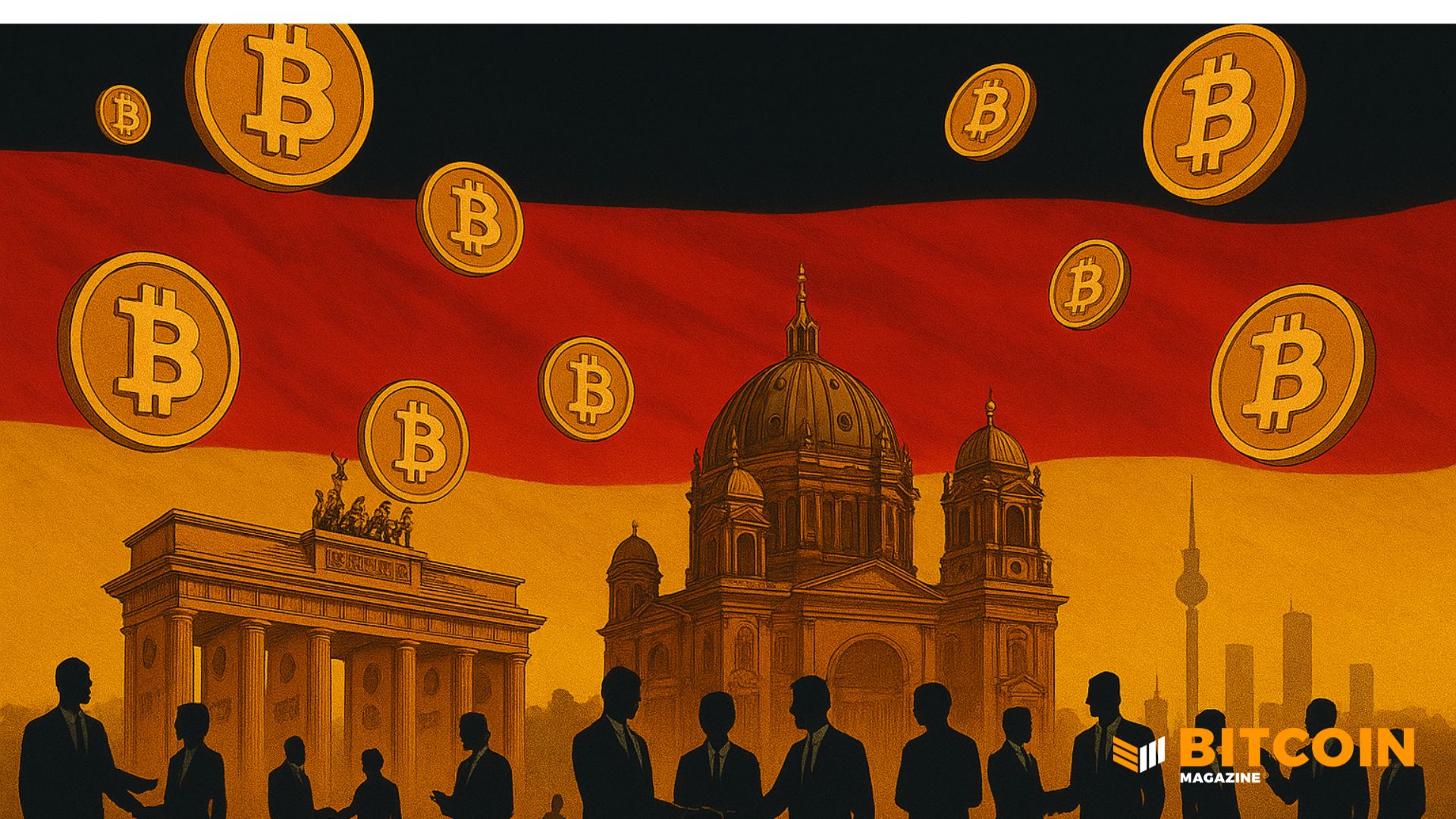
Germany's Alternative for Germany (AfD) party has introduced a groundbreaking proposal aimed at establishing a national Bitcoin reserve, potentially marking a significant shift for Europe's largest economy. This initiative comes less than a year after Germany faced criticism for liquidating billions in seized Bitcoin holdings, and if approved, would position Germany as the first major European nation to directly integrate Bitcoin into its national reserves. This move signifies a growing trend in Europe to view Bitcoin not merely as a speculative asset, but as a strategic instrument for national sovereignty.
The AfD's motion, submitted recently, explicitly calls upon the federal government to commence accumulating Bitcoin as a component of its long-term reserve strategy. The party advocates for Bitcoin as "state-free money," a concept it champions as a protector of individual freedoms, contrasting sharply with the proposed digital euro which the AfD warns could facilitate surveillance and control. Furthermore, the proposal argues that the European Union's MiCA framework, designed for centrally issued tokens, should not be applied to Bitcoin due given its decentralized nature without a single issuer or central authority.
To support this vision, the AfD urges the government to implement several key measures. These include avoiding undue regulatory burdens on non-custodial wallet providers and operators of Lightning network nodes, maintaining Germany's existing tax exemption for Bitcoin held for more than one year, and ensuring that private Bitcoin mining or Lightning activity is not classified as commercial enterprise. Section I, point 5 of the proposal criticizes the German government for its previous failure to recognize Bitcoin's strategic potential, specifically its oversight in considering Bitcoin as part of national reserves. The explanatory section further elaborates on this, describing Bitcoin as "Outside Money" and highlighting its potential as an "easily transferable asset within state currency reserves" during periods of global monetary and geopolitical instability. This motion represents the first formal legislative attempt in Germany to elevate Bitcoin to the status of a strategic national asset.
This current proposal stands in stark contrast to Germany's actions less than a year ago. Between June and July 2024, German authorities conducted one of the largest state-level Bitcoin sell-offs in history, liquidating nearly 50,000 BTC that were originally seized from the operators of the piracy site Movie2k.to. These holdings were valued at approximately $3 billion at the time. This massive sell-off triggered an estimated 18% market correction and drew considerable backlash from the Bitcoin community, which argued that Germany had squandered a valuable opportunity to hold a scarce and appreciating asset. By mid-July 2024, blockchain data confirmed that wallets linked to the German government had been emptied, with the final tranches of Bitcoin being sent to exchanges and market makers.
Germany's proposed shift aligns with a broader trend across Europe, particularly following France's own initiative. The French center-right Union of the Right and Centre (UDR) party, under lawmaker Éric Ciotti, previously introduced an ambitious bill to create a "National Bitcoin Strategic Reserve." The French proposal aims to acquire approximately 2% of Bitcoin's total supply, roughly 420,000 BTC, over a seven-to-eight-year timeframe. Funding mechanisms for this initiative include surplus energy-powered Bitcoin mining, the reallocation of existing savings programs, and even the option of partial tax payments in Bitcoin.
While both the German and French initiatives face substantial political hurdles, their timely introduction underscores a growing recognition across Europe that Bitcoin could serve as a vital tool for achieving financial sovereignty. This momentum suggests that European nations may soon find themselves not debating the merits of holding Bitcoin, but rather competing to be the first to establish such a reserve.