Bitcoin Slips as US-Iran Tensions Push Oil Higher. Why Nigeria Should Care
Bitcoin's price sharply declined following escalating U.S.-Iran attacks, underscoring its sensitivity to global geopolitical tensions. The cryptocurrency's value was also impacted by surging oil prices, which are linked to inflation and the Federal Reserve's stance on interest rates. This dynamic highlights Bitcoin's complex interplay with international events and economic policies.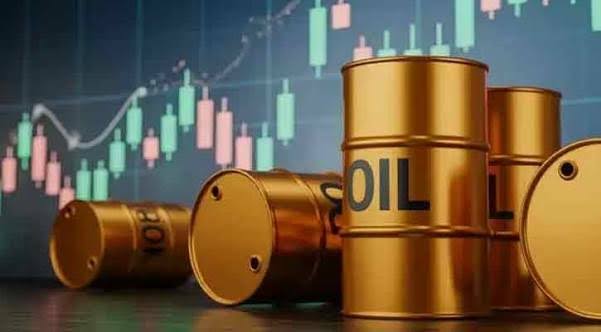
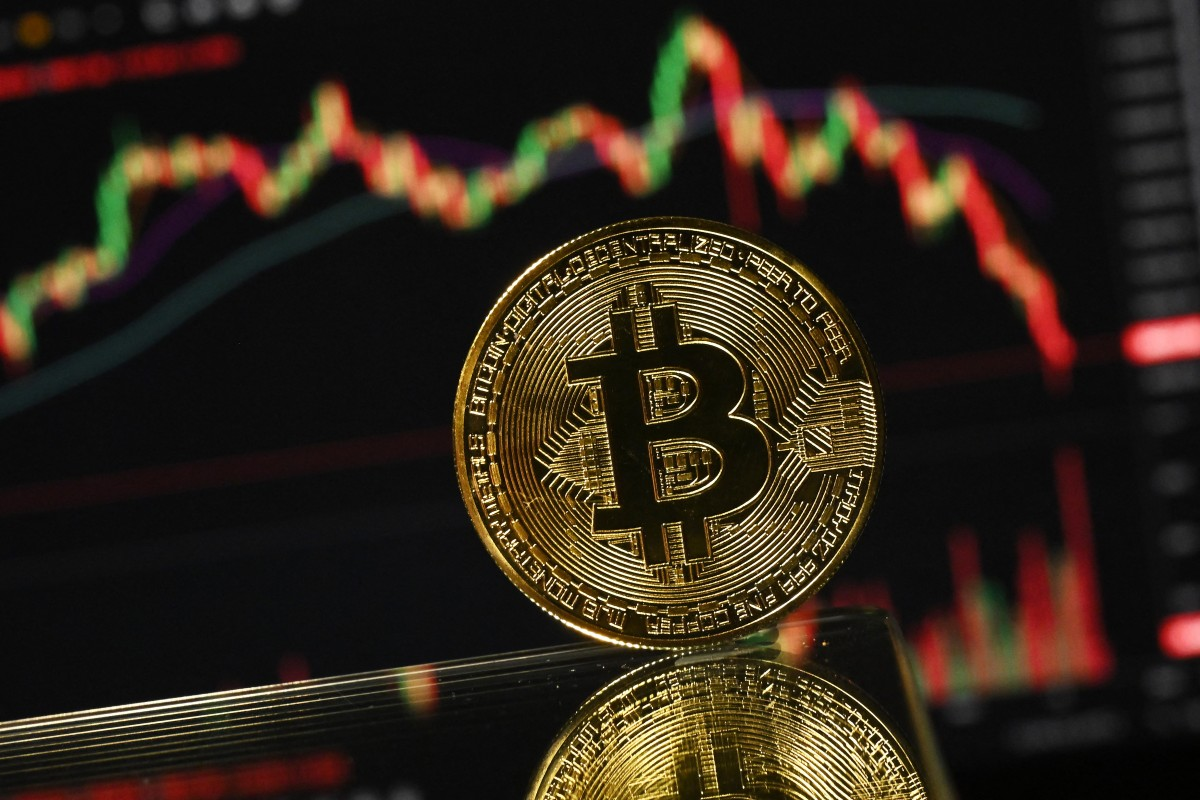
Bitcoin fell more than 2% on Tuesday as investors pulled back from riskier assets after the latest escalation between the United States and Iran.
The cryptocurrency traded around $77,363, down from nearly $81,282 on Friday, as fresh U.S. strikes on Iranian targets and reports of attacks involving commercial shipping in the Strait of Hormuz unsettled financial markets. Oil prices also moved higher as traders worried that the conflict could disrupt one of the world's most important energy routes.
For Bitcoin, the move is a reminder that the cryptocurrency does not always behave like the safe-haven asset some investors expect during a crisis. When markets become nervous, traders can sell assets such as Bitcoin alongside stocks and move towards cash or other assets they consider safer.
But the oil story is arguably more important for African economies.
Bitcoin Is Feeling the Same Shock as Other Risky Assets
Bitcoin had held up relatively well through earlier stages of the U.S.-Iran tensions. That changed as the conflict began putting greater pressure on energy markets.
The Strait of Hormuz is particularly important because disruptions there can affect global oil supplies and shipping costs. Two oil tankers, including the Senegal Prosperity, were struck in the waterway this week as the conflict escalated, adding to concerns about the safety of commercial shipping.
That is what markets are watching now.
Higher oil prices can feed into inflation because energy is built into the cost of transporting goods, producing products and running businesses. If inflation stays high, investors can start expecting central banks to keep interest rates higher for longer.
That is bad news for assets such as Bitcoin, which do not pay interest and tend to attract more speculative money when financial conditions are easier.
The latest market pressure is coming alongside concerns about U.S. monetary policy. Federal Reserve Chair Kevin Warsh recently took a tougher line on inflation, and expectations of a September rate increase have risen following his remarks.
So Bitcoin is being squeezed from two directions: geopolitical uncertainty and the possibility of tighter monetary policy.
Nigeria Cannot Ignore the Oil Effect
For Nigeria, the oil-price part of this story matters more than the movement in Bitcoin itself.
Nigeria remains heavily dependent on crude oil for government revenue and foreign exchange earnings. That means a sustained rise in global oil prices can improve government revenue and export earnings, but it can also create pressure elsewhere, particularly when higher international energy prices feed into domestic fuel and transport costs.
The situation becomes more complicated when geopolitical tensions disrupt shipping.
Nigeria exports crude, so higher oil prices can provide a short-term boost to the value of its exports. Recent data show just how quickly the effect can appear: Nigeria's crude export earnings rose by almost 30% in the first five months of 2026, largely because higher international oil prices offset lower export volumes.
But Nigerians also live in an economy where fuel prices affect almost everything from transportation to food distribution and business operating costs.
That is why a conflict thousands of kilometres away can eventually show up in everyday expenses.
What This Means for African Crypto Traders
Bitcoin's fall also matters because cryptocurrency has become a significant part of financial activity across Africa.
For traders, the lesson from the latest move is fairly straightforward: Bitcoin remains exposed to global financial conditions. A war, an oil shock or a change in U.S. interest-rate expectations can move the price even when nothing has changed in the local crypto market.

That matters in countries where people use crypto for trading, savings, cross-border payments or as an alternative way to move money.
A sharp Bitcoin drop can quickly affect traders who are using leverage, while a stronger dollar or weaker global risk appetite can create another layer of pressure for people already dealing with currency volatility.
It also challenges the idea that Bitcoin automatically becomes more valuable whenever geopolitical tensions rise.
Sometimes investors may treat Bitcoin as an alternative asset during periods of uncertainty. But when fear spreads across financial markets, investors can also sell it along with other risky assets.
The Oil Shock May Last Longer Than the Bitcoin Dip
Bitcoin can recover quickly if tensions ease and investors return to riskier assets. The bigger concern for African economies is what happens if the pressure on oil and shipping continues.
A brief jump in crude prices is one thing. A prolonged disruption around the Strait of Hormuz could affect inflation, transport costs, currencies and central-bank decisions across different economies.
For Nigeria, higher crude prices could strengthen export earnings while simultaneously making life more expensive if global energy costs feed through the domestic economy.
That leaves Bitcoin as only one part of a much larger story.
The cryptocurrency's latest decline is the market's immediate response. For African economies, the more important question is how long the oil and shipping disruption lasts.