Genetic Engineering: Ethical Innovation or Pandora’s Box?
"Genetic engineering promises cures, better crops, and scientific breakthroughs—but is humanity ready for the ethical dilemmas it brings? Can innovation coexist with responsibility?"

Introduction
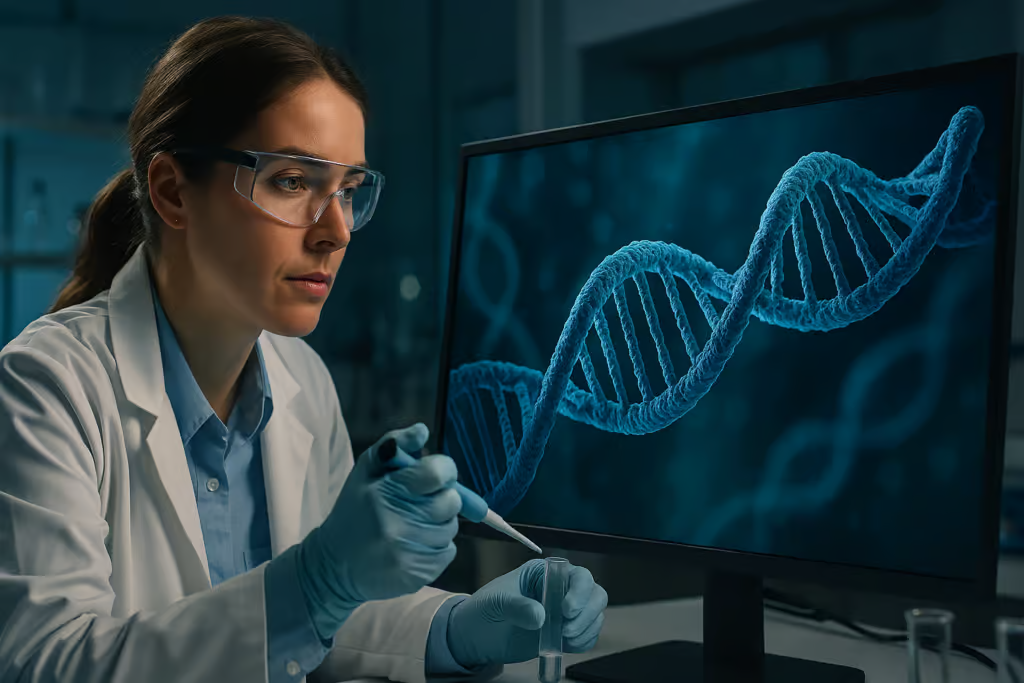
Genetic engineering according to the bakerinstitute websiterefers to scientific techniques that alter the DNA of an organism. Scientists might remove entire segments of DNA, insert additional genes from other organisms, or change one base pair, just think of it as the manipulation of any organism’s genes using various methods of biotechnology, this has evolved tremendously from early days of selective breeding to more advanced method of gene editing. It is a field brimming with promise and endless hope, offering potential cures for hereditary diseases, the eradication of life-threatening disorders, and agricultural breakthroughs that could feed the world. Yet, amid the excitement, there is a critical question being asked: is genetic engineering a revolutionary tool for human progress, or a Pandora’s box that may unleash consequences beyond our control?
As science races forward, society is forced to grapple with profound ethical dilemmas. On one hand, the possibility of eradicating genetic diseases and alleviating global hunger is tantalizing. On the other, tampering with the very blueprint of life poses moral, social, and ecological challenges that we cannot ignore.
The Promise of Genetic Engineering
The potential of genetic engineering is staggering and mind blowing. In medicine, gene therapy is transforming the treatment of conditions once deemed incurable. Disorders like sickle cell anemia, cystic fibrosis, and certain cancers are increasingly targeted with precision therapies that correct genetic defects at their source. Personalized medicine, made possible through the understanding of an individual’s genetic makeup, is moving healthcare from a reactive model to a preventive one, allowing doctors to anticipate risks and intervene before disease strikes.
Agriculture has also been revolutionized by genetic engineering. Crops can now be modified for higher yields, drought resistance, and pest control. This is particularly crucial for Africa, where unpredictable weather patterns and resource scarcity threaten food security. Imagine a maize variety that thrives in arid regions or rice resistant to devastating fungal diseases—genetic engineering could make this a reality, helping millions avoid malnutrition and hunger.
Beyond medicine and agriculture, genetic engineering fuels scientific progress. Each advancement in gene editing brings a deeper understanding of human genetics, evolution, and biology. With proper stewardship, humanity can harness these tools to improve lives, extend lifespans, and solve challenges that were previously insurmountable.
Ethical Concerns and Risks
Yet, the promise comes with undeniable risks. Critics argue that manipulating the building blocks of life crosses a moral line. “Playing God” is a recurring concern, raising questions about the limits of human intervention. Every gene edited carries the potential for unintended consequences, off-target mutations or errors that could propagate through generations, altering the human gene pool in unforeseen ways.
Equity remains a critical issue. Advanced therapies and genetically modified enhancements are likely to be available first to the wealthy, creating a genetic divide that mirrors socioeconomic inequality. The prospect of “designer babies,” where parents select intelligence, appearance, or physical abilities, is not far-fetched and forces us to confront the moral implications of altering humanity’s natural diversity.
Moreover, genetic interventions are not risk-free. While they may eradicate some diseases, they may also disrupt complex biological systems in ways we cannot yet predict. The ethical dilemma is clear: do we pursue innovation at the expense of potentially irreversible consequences?
Global Examples
The world has already witnessed both the promise and the peril of genetic engineering. In 2018, Chinese scientist He Jiankui sparked international outrageby creating the first genetically edited babieswhich was later halted, claiming to make them resistant to HIV. The move was widely condemned, highlighting the ethical and regulatory gaps in gene editing research.
Meanwhile, genetically modified crops have been widely adopted in countries like the United States, demonstrating tangible benefits such as increased yields and pest resistance. Africa, too, is slowly embracing biotech solutions, with nations like Nigeria and South Africa exploring genetically enhanced crops to combat food insecurity. However, public skepticism and concerns about long-term environmental impacts persist.
Regulatory frameworks vary globally. Europe maintains strict guidelines and public oversight, while countries in Asia and Africa are experimenting with more flexible policies to encourage innovation. These divergent approaches underscore the need for international collaboration and ethical consistency in applying genetic technologies.
The Way Forward

The future of genetic engineering in Africa and beyond depends on a careful balance of innovation and morality. Strict ethical guidelines and transparent research protocols are non-negotiable. Nations must prioritize public awareness and engage citizens in meaningful discussions about the potential and risks of gene editing.
Investing in local scientific talent is equally critical. Africa cannot rely solely on foreign expertise to guide genetic innovation; cultivating homegrown researchers ensures that solutions are culturally appropriate and socially responsible. Public-private partnerships can accelerate research while maintaining oversight, ensuring that genetic engineering serves humanity rather than exploitative interests.
Finally, policies must ensure that technology complements human labor and development rather than exacerbates inequality. By combining scientific rigor with ethical integrity, society can harness genetic engineering to solve pressing health and agricultural challenges while safeguarding humanity’s moral and ecological fabric.
Conclusion
Genetic engineering is both a beacon of hope and a Pandora’s box. It offers unprecedented opportunities to eradicate disease, alleviate hunger, and deepen our understanding of life itself. Yet, the ethical, social, and ecological risks are real and demand careful consideration.
The challenge is clear: can humanity embrace this revolutionary technology responsibly, or will the lure of progress blind us to potential consequences? Genetic engineering will shape the future, but whether it becomes a tool of liberation or a catalyst for unforeseen chaos depends on the choices we make today.
Can we innovate ethically without unleashing irreversible harm?