Generation Z: Are They Really “Dumber” Than We Think?
Chasing likes over truth, Generation Z risks valuing popularity more than knowledge—where looking informed matters more than actually understanding.
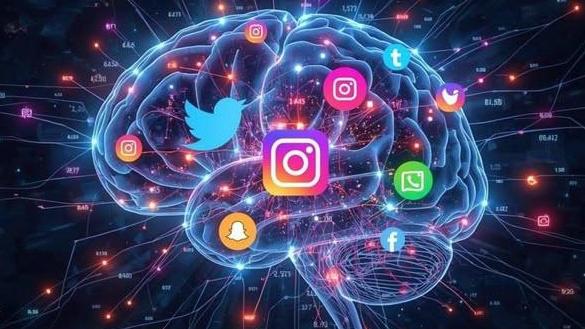
Generation Z is often seen as smart because they are good with technology and aware of social issues.
However, being “tech-savvy” doesn’t always mean they truly understand things deeply.
Many times, they know how to use tools, but rely on them instead of thinking for themselves.
One major issue is the easy access to information.
Since answers are always available online, there is less need to remember or fully learn things.
This can lead to a shallow understanding of important topics.
Also, Gen Z tends to consume fast, short content like videos and summaries.
While this saves time, it can reduce their ability to focus, think deeply, and analyze information properly.
Social media also plays a role. Algorithms often show people content they already agree with, so they don’t see different opinions.
This can limit critical thinking and make people believe they know more than they actually do.
Finally, many people focus on likes and approval online.
Instead of forming their own opinions, they may say what others agree with, which can reduce independent thinking.
Critics suggest that certain behavioral and cognitive patternsindicate a concerning reliance on shortcuts, social validation, and digital tools that could hinder critical thinking and problem-solving skills.
Overall, it’s not that Generation Z is less intelligent.
Social Insight
Navigate the Rhythms of African Communities
Bold Conversations. Real Impact. True Narratives.
It’s more that their environment encourages quick thinking and convenience over deep understanding.
Over-Reliance on Technology
Generation Z has grown up in a world where technology is always available, making life faster and more convenient.
However, this constant access has also led to a habit of depending on devices for tasks that were once done mentally.
Instead of memorizing information, many people rely on search engines, contacts lists, or saved data.

Over time, this reduces the need to actively use memory, which can weaken it.
This reliance goes beyond just remembering things. Decision-making is also affected.
From choosing what to eat to solving academic problems, many Gen Z individuals turn to apps, reviews, or AI tools for answers.
While these tools can be helpful, constantly depending on them may limit the ability to think independently or solve problems without guidance.
Navigation is another example. With GPS apps, fewer people learn how to read maps or remember directions.
This can affect spatial awareness and the ability to navigate unfamiliar places without assistance.
Similarly, calculators and digital tools handle basic math, which may reduce confidence in performing simple calculations mentally.
Another concern is how technology simplifies complex processes.
Instead of working through challenges step by step, many tools provide instant solutions.
This can discourage patience and persistence, two important skills for deep learning and problem-solving.
Social Insight
Navigate the Rhythms of African Communities
Bold Conversations. Real Impact. True Narratives.
When answers come too easily, the process of understanding “how” and “why” can be overlooked.
In the long run, this over-reliance may not make Generation Z less intelligent, but it can make their thinking more dependent.
They may become highly efficient at using tools, yet less comfortable functioning without them.
The risk is not the technology itself, but the reduced effort to engage the brain fully when solving everyday problems.
Decline in Critical Thinking and Attention
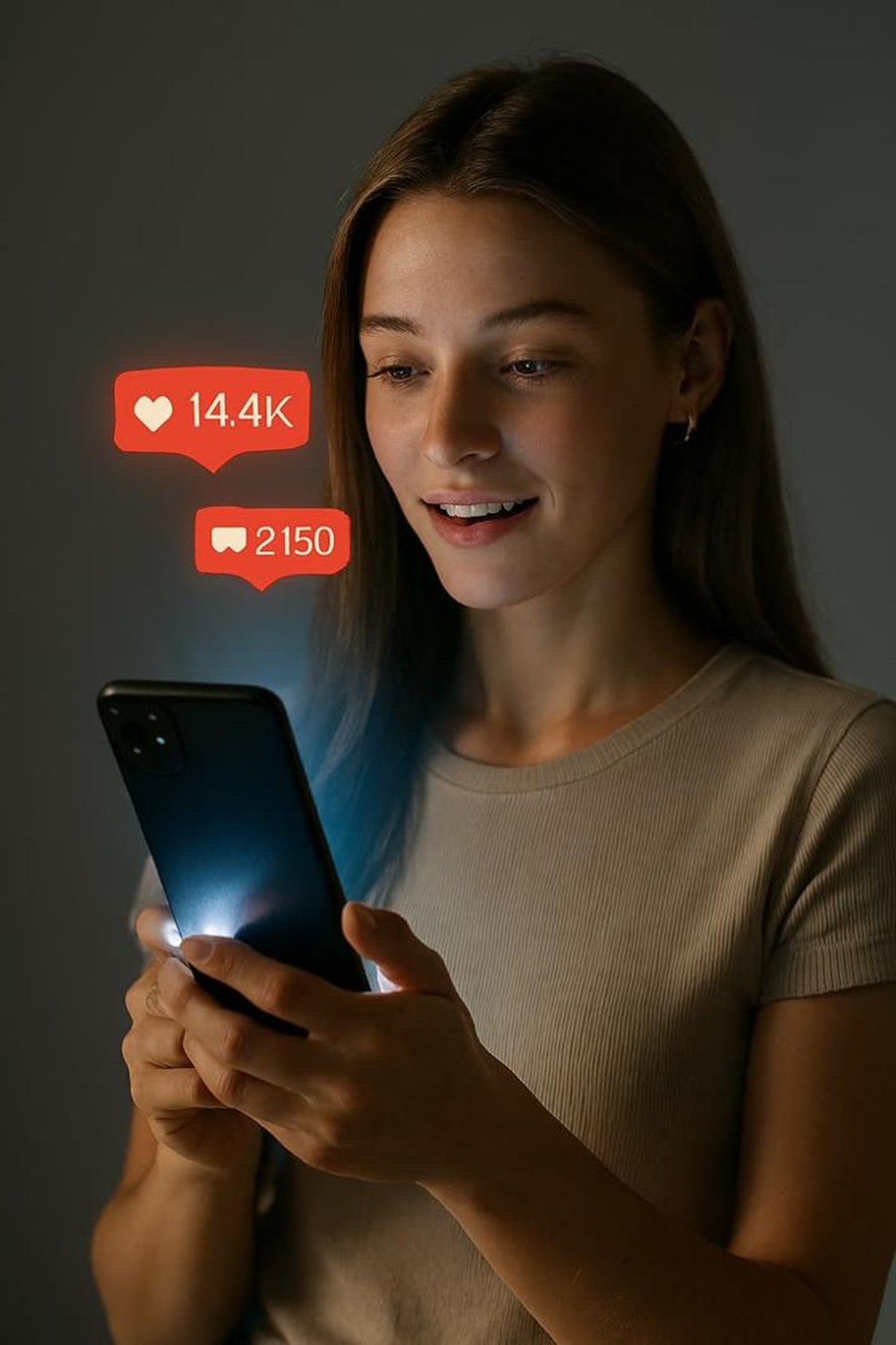
Short-form content like TikTok and Instagram reels has changed how Gen Z takes in information.
People now consume content very quickly, which can make it harder to focus for long periods.
Because of this, many find it difficult to read long texts, watch full lectures, or think deeply about topics.
The brain gets used to fast, constant stimulation and struggles with slower tasks that need patience.
This also affects critical thinking. Short videos often simplify ideas, so people may not question or fully understand what they see. Instead of analyzing information, they may just accept it.
Another problem is passive scrolling. Many people watch content without really thinking about it, which makes it harder to remember or connect ideas.
Overall, the focus on speed and quick content can reduce attention span and limit deep thinking, even if it makes learning feel faster and easier.
Social Validation Over Knowledge
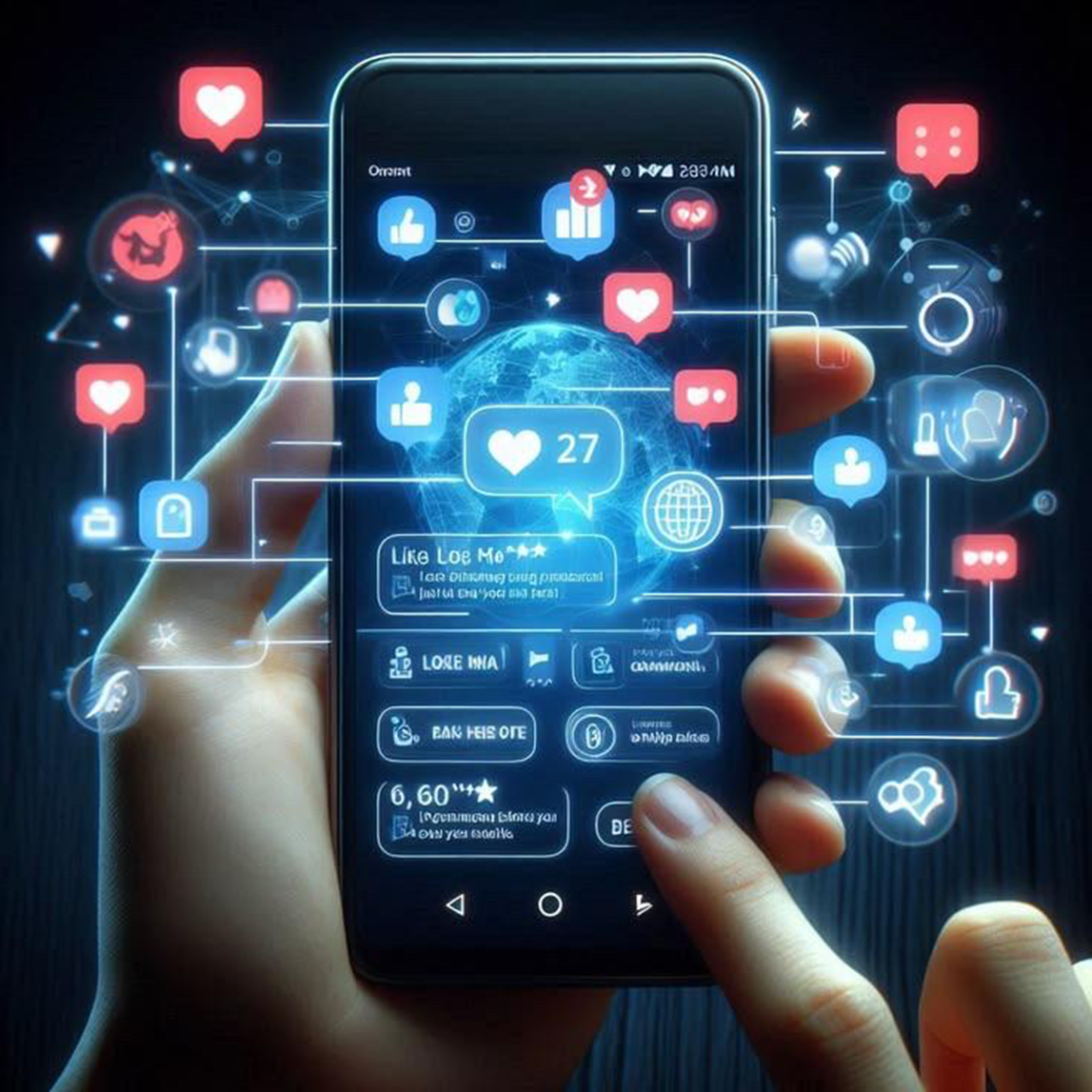
Social media has made likes, shares, and comments very important, especially for Generation Z.
Because of this, many people focus more on being accepted online than being truly informed.
Social Insight
Navigate the Rhythms of African Communities
Bold Conversations. Real Impact. True Narratives.
Information spreads very fast, and people may share things without checking if they are true, just to follow trends or gain attention.
This can make it seem like they know a lot, even when they don’t fully understand the topic.
It can also reduce independent thinking. Many people follow popular opinions instead of forming their own, especially to avoid criticism.
Overall, the need for social approval can make appearance more important than real knowledge, limiting deep thinking and understanding.
Conclusion
While Generation Z exhibits remarkable adaptability to technology and global trends, there is a growing perception that their intellectual capabilities are superficial in some areas.
Over-reliance on technology, shorter attention spans, and prioritizing social approval may contribute to the impression that they are “dumber than we think.”
However, it’s essential to recognize that intelligence is multifaceted, and traditional metrics may not fully capture the unique strengths Gen Z brings to the table.