From Waist Trainers to Ozempic: The Body Standard Race
From waist trainers to Ozempic, the quest for the “perfect” body keeps evolving—but at what cost? Explore how social media, celebrity trends, and a billion-dollar industry fuel the never-ending body standard arms race.

Once upon a not-so-distant Instagram era, there was no higher proof of dedication to the “perfect body” than a latex contraption strapped around your midsection. The waist trainer, marketed as a miracle sculptor, promised to shape you into an hourglass worthy of a Renaissance painting, except you would be sipping iced matcha and posting selfies instead of lounging in an oil portrait. For a while, it worked, at least as a social currency.
Fast-forward to 2025, and the aesthetic battlefield has shifted from the waistline to the bloodstream. Waist trainers have been dethroned by syringes.
Today’s darling is Ozempic, a prescription drug for diabetes that has been hijacked by the weight-loss market. The shift is disturbing. The tools evolve, the hashtags change, but the pressure remains: win the body standard race, or be left behind.
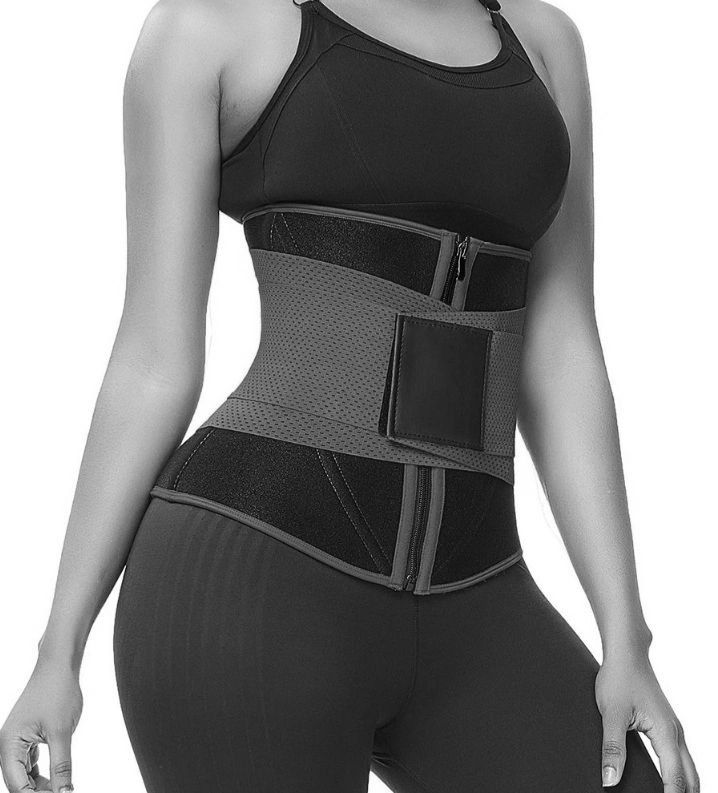
Photo Credit: Google
The Waist Trainer Era: When Fashion Met Physics
The modern waist trainer craze erupted in the early 2010s, thanks to a potent cocktail of reality TV glamour, Kardashian endorsements, and a booming influencer economy. They were marketed as wearable miracles. You were told to train your waist like you train your muscles, and soon you would have the coveted “snatched” figure.
What the ads did not say was that breathing might become optional. Doctors warned about crushed ribs, acid reflux, and weakened core muscles. But on Instagram and in the beauty world, the dangers were irrelevant. Filters and before-and-after collages did their jobs.
The waist trainer was not just a product, it was a visible badge of effort. You could wear it to the gym, under your clothes, even as a statement accessory in mirror selfies. It was a sign that you were “putting in the work,” even if that work was more about enduring discomfort than sustainable health.
Detox Teas and the Mirage of Wellness
When the waist trainer started to lose steam, the market simply swapped the weapon. Detox teas, slimming pills, and appetite-suppressing lollipops took the spotlight.
This was diet culture’s sneakiest era, wrapping itself in the language of “wellness” and “clean living.” Influencers posed with pastel mugs of “detox tea,” implying that beauty was just a sip away. Never mind that most of these products worked primarily as laxatives.
Public backlash came slowly. Celebrities like Jameela Jamil began calling out the sham, labeling it as something harmful to the health. But by then, the message had already seeped deep into social media culture: a smaller body was always better, and if you could make the process shorter, why not?
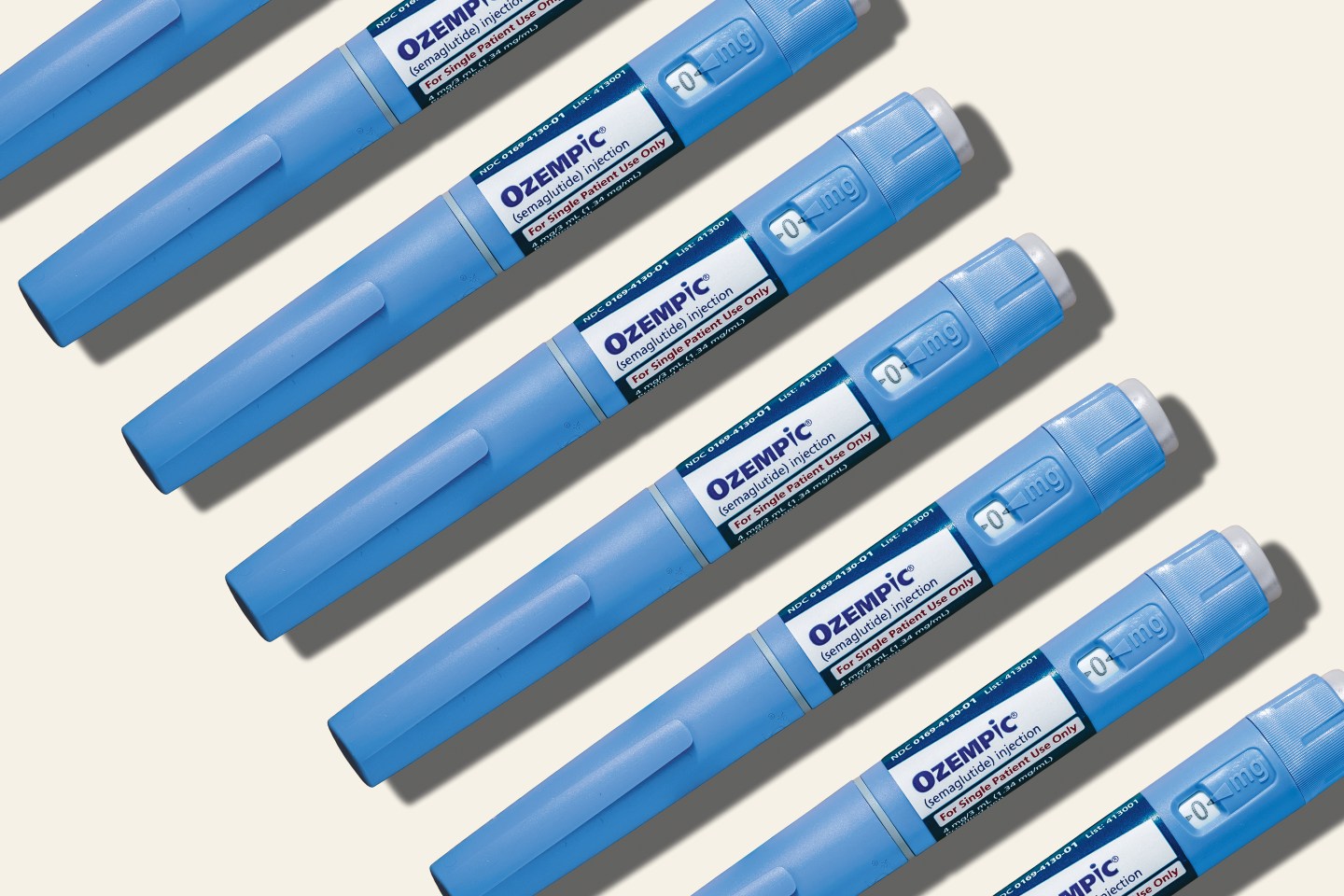
Photo Credit: Google
The Ozempic Revolution
Then came Ozempic. Officially, it is a medication for type 2 diabetes. Unofficially, it is the latest high-speed ticket to rapid weight loss, faster than waist trainers, detox teas, and crash diets combined.
The allure is obvious. There is no need for sweaty gym selfies, no choking down kale, no physical evidence of effort, just plain results. TikTok made Ozempic a cultural phenomenon, with celebrities, influencers, and even everyday users sharing jaw-dropping transformation videos.
But the rise of Ozempic has stirred a different kind of controversy. For one, its popularity has led to shortages for diabetic patients who actually need it to manage blood sugar.

Then there are the health risks like nausea, vomiting, potential long-term effects still unknown. Yet in a society trained to value thinness over nearly everything else, those warnings often become background noise.
More tellingly, the Ozempic trend marks a cultural pivot. From glorifying a visible “hustle” (gym grind, meal prep) to glorifying invisible “science.” In other words, why sweat for months when you can inject and forget?
Social Media: Fueling the Race
If waist trainers were born on Instagram, Ozempic matured on TikTok. The difference is speed. Trends that once took years to build now explode in weeks, giving people little time to assess risks before they are swept up.
Social media is not just a mirror, it is an accelerator. Filtered images and carefully put together feeds make even subtle weight loss seem like a magical transformation.
What is worse is that many influencers frame their results as “effortless” without disclosing drug use, leaving followers to wonder why their own gym routines are not yielding the same glow-up.
It is a constant, silent competition. Every scroll is another benchmark to measure yourself against. And the pace is exhausting.
The Psychological Toll
At the heart of the body standard race is an ever-moving target. What was “ideal” five years ago can feel outdated today. The flat stomach of the waist trainer era gave way to the “BBL body” of the mid-2010s, which is now giving way to a leaner, Ozempic-sculpted aesthetic.
For young women and young men too, this revolving door of beauty ideals has measurable consequences. Body dysmorphiarates are rising, especially among teenagers who have never known a world without FaceTune and “what I eat in a day” videos.
The cruel irony is that even as society celebrates “self-love” in captions, the algorithms feed us content that erodes it.
The Pushback: Body Positivity, Body Neutrality, and Regulation
Not everyone is playing the game. The body positivity movement, rooted in fat acceptance activism, has been a critical voice in challenging the obsession with thinness. Its younger cousin, body neutrality, shifts the conversation from loving your body to simply existing in it without constant critique.
There is also growing public demand for regulation. The UK, for example, now requires influencers to disclose when images are digitally altered. Australia has restrictions on cosmetic surgery advertising to minors.
The hope is that these measures will slow the pressure machine, but the global nature of social media makes enforcement tricky.
Breaking the Cycle
The uncomfortable truth is that the problem is not waist trainers or Ozempic, it is the cultural ecosystem that convinces people their worth hinges on body size, and then sells them an endless menu of “fixes.”
If Ozempic fades, something else will take its place. And there are already experimental “skinny shots” and biohacking supplements waiting in the wings.
Maybe the real rebellion is not in choosing the “right” product, but in opting out of the race entirely. That does not mean ignoring health or rejecting personal goals; it means rejecting the idea that beauty must be chased like a limited-edition drop.
The perfect body, if such a thing exists, will always be a moving target. And the only way to win this race might just be to stop competing.