From Pharmacy School to Sport Journalism: The Story Of How Victor Olabisi Ended Up In Cairo, Egypt As A Sport Journalist
Pharmacy student and sports journalist Victor Olabisi tells Zeal News Africa what really happened behind his selection for the FASU Africa Mentorship Programme in Cairo, from a funding gap he solved by asking publicly to the Alexander the Great quote that keeps him moving.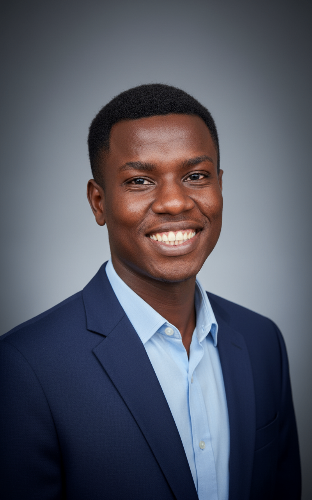
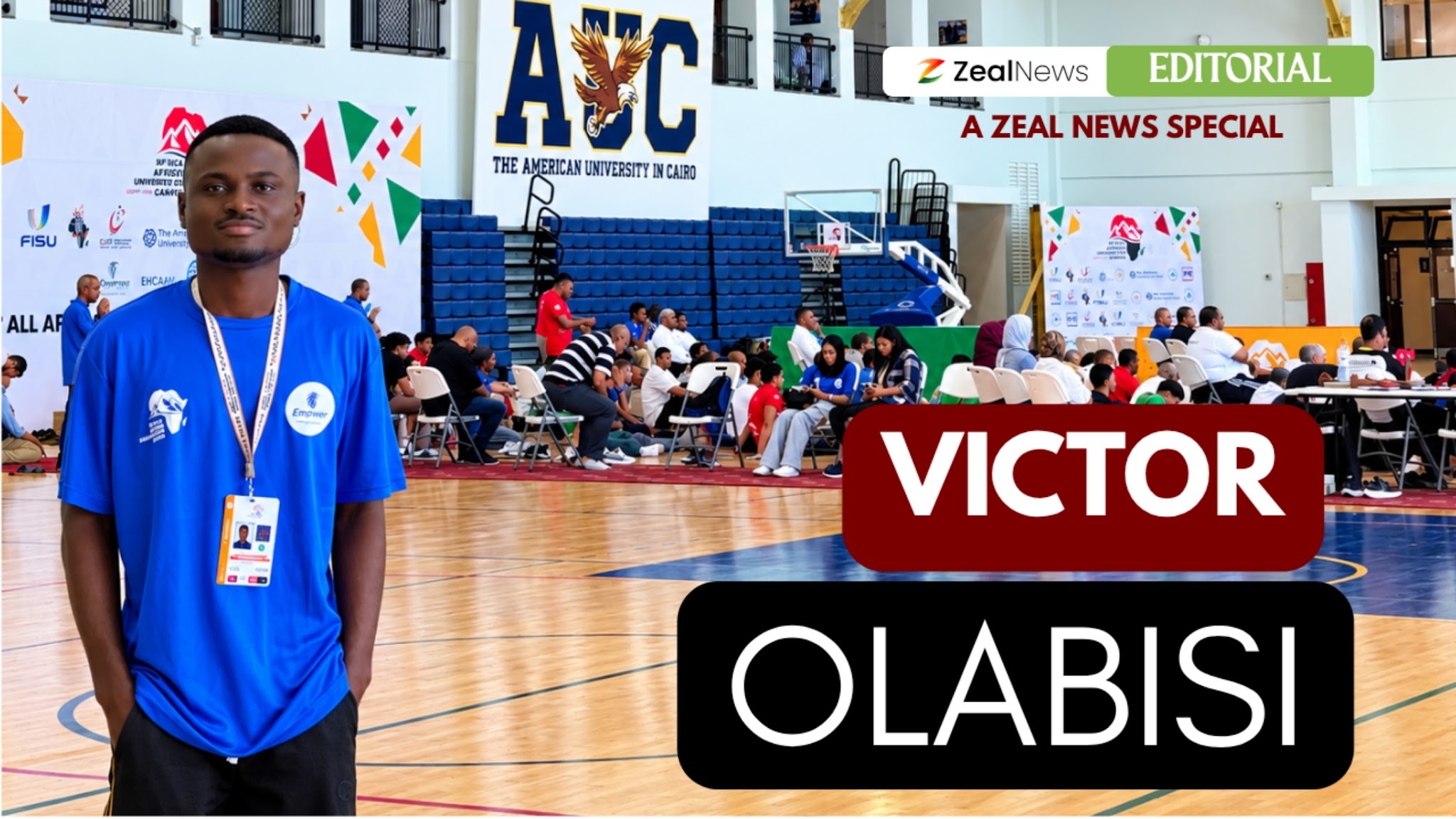
There is a quote Victor Olabisi keeps close, one he traces to Alexander the Great: that no man conquers half the world by listening to men who have conquered nothing. It is the kind of line that sounds like a T-shirt slogan until you hear the six years of unpaid work sitting underneath it, and watching how Victor talks about his journey into sports leadership, it becomes clear he has been living by it long before he ever set foot in Cairo.
If you sat behind Victor Olabisi in a lecture hall, you would clock him as just another pharmacy student, reading for a drug interactions exam, waiting to pass his finals and get inducted into the profession, nothing more.
Give him ten minutes of conversation, though, and it drifts, almost without either of you noticing, toward federation politics, football formations, and sports in general, long before either of you would guess that this same conversation leads to a mentorship programme in Cairo, one that most of his coursemates would not understand, or even place on a map, until it had already happened.
Somewhere between those two versions of him is a young man who was coaching and reporting for a football team and chasing his passion for sports journalism long before any federation ever gave him an opportunity.
This is someone who once handed over an entire month's salary just to buy himself a few-minute conversation with the right person, and who talks about running a football club someday the same way his friends talk about running a startup.
ZealNews Africa sat down with Victor Olabisi to unpack the part of his story that rarely survives the headline, the six quiet years before the TVC feature, and what came back was less about a stamp in his passport and more about a mind that had already decided, long before Egypt called, that it was not interested in staying small.
Pharmacy and Sports Were Never Supposed to Share a Sentence
Victor's sports obsession did not begin with a press badge. He said it started at the local viewing centre as a boy, sneaking off to watch matches his parents had told him to skip, and getting scolded for it when he got home. He played too, first as a defender, then as a goalkeeper, until fitness issues forced him off the pitch entirely.
That was the part nobody plans for, the door closing on the thing you actually wanted to do. What came next was the part that mattered. Victor turned toward coaching instead; by his first year at the University of Benin, he had already joined the school's sports media unit as a writer and volunteered to run his own pharmacy class's football team in his 100 level up until 400 level.
He was clear that the two worlds were never meant to compete. Sports, he pointed out, employs far more people off the pitch than on it, and understanding a game's rules and history mattered more to him than ever having played it at a professional level. Somewhere in the middle of pharmacy lectures and sports pharmacy, a field he wants to build a career on, he stopped seeing his two paths as a contradiction and started treating them as one long project.
His writing found its footing early too. His first published article, filed after a game not long after COVID, read, in his editor's words, like the work of someone who had been at it for years. That instinct and feeling carried him from campus football coverage into something bigger: a continent-wide selection process most people never hear about until someone they know makes it through.
Underneath all of it sits a bigger frustration Victor does not bother to dress up. He believes Africa carries a lot of potential that nobody has bothered to fully tap, sports included, and he carries that as a kind of personal assignment across leadership, healthcare, and sport.
When we asked him about the Nigerian Premier League's chances of competing globally, he did not flinch at the question.
His answer, in his own words, is that Nigerian sports keeps putting “square pegs in round holes,” with more politicians running the system than actual administrators. He points to clubs like Shooting Stars F.C and Sporting Lagos F.C as proof that a well-run Nigerian club is possible, and argues that only bad leadership, not talent, keeps the wider system from producing more than one age-grade team at a World Cup.
Selection Was the Easy Part, Funding Was the Real Test For Victor
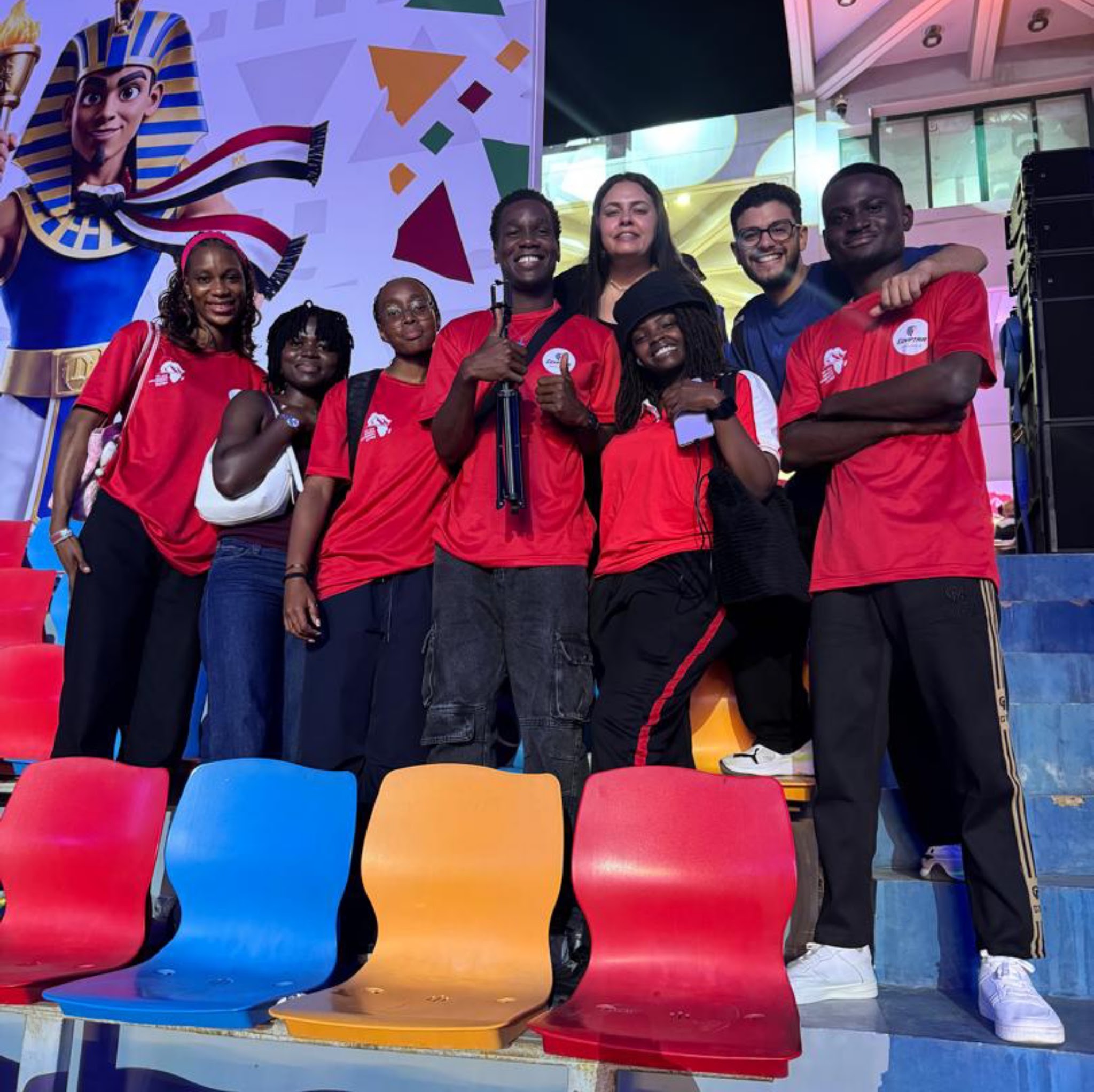
FASU, the Federation of African University Sports, runs a mentorship programme tied to the All Africa University Games, a tournament held every two years. Getting picked is competitive on its own; roughly ten fellows are chosen continent-wide regardless of how many hundreds apply, and this cycle, three Nigerians made the list.
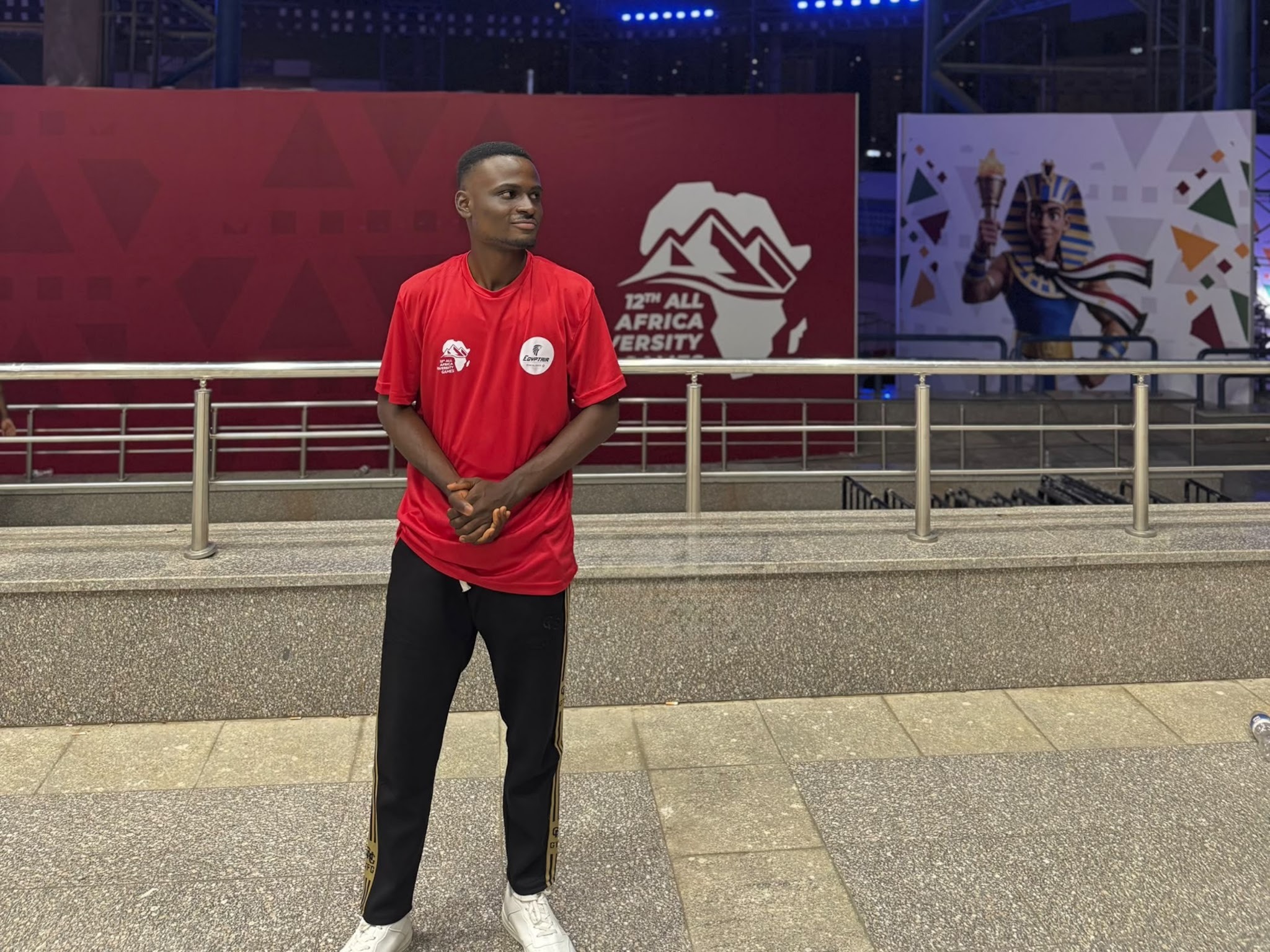
Victor was the only student journalist among them, placed in the media unit to document the Games in Cairo while getting a close look at how federation executives run an event of that size.
Being selected, he said, was never the hard part. Getting on the plane was. When the funding gap showed up, Victor did something a lot of people in his position would rather not: he asked publicly.
He admitted it was not easy, and that the harder part was not the fear of falling short; it was the discomfort of asking at all.
What carried him through, by his own account, was six years of being visible about the thing he actually did. Most people who donated or reshared his appeal, he said, knew him as the sports guy long before they knew he studied pharmacy or even leaned towards sports pharmacy. That reputation, built quietly over years of campus coverage and volunteering, is what turned a funding gap into a solvable problem rather than a dead end.
His advice to anyone facing the same wall is almost blunt: do not build in silence, and let the people around you actually see the work.
Delusion, in His Language, Is Just Belief With Receipts
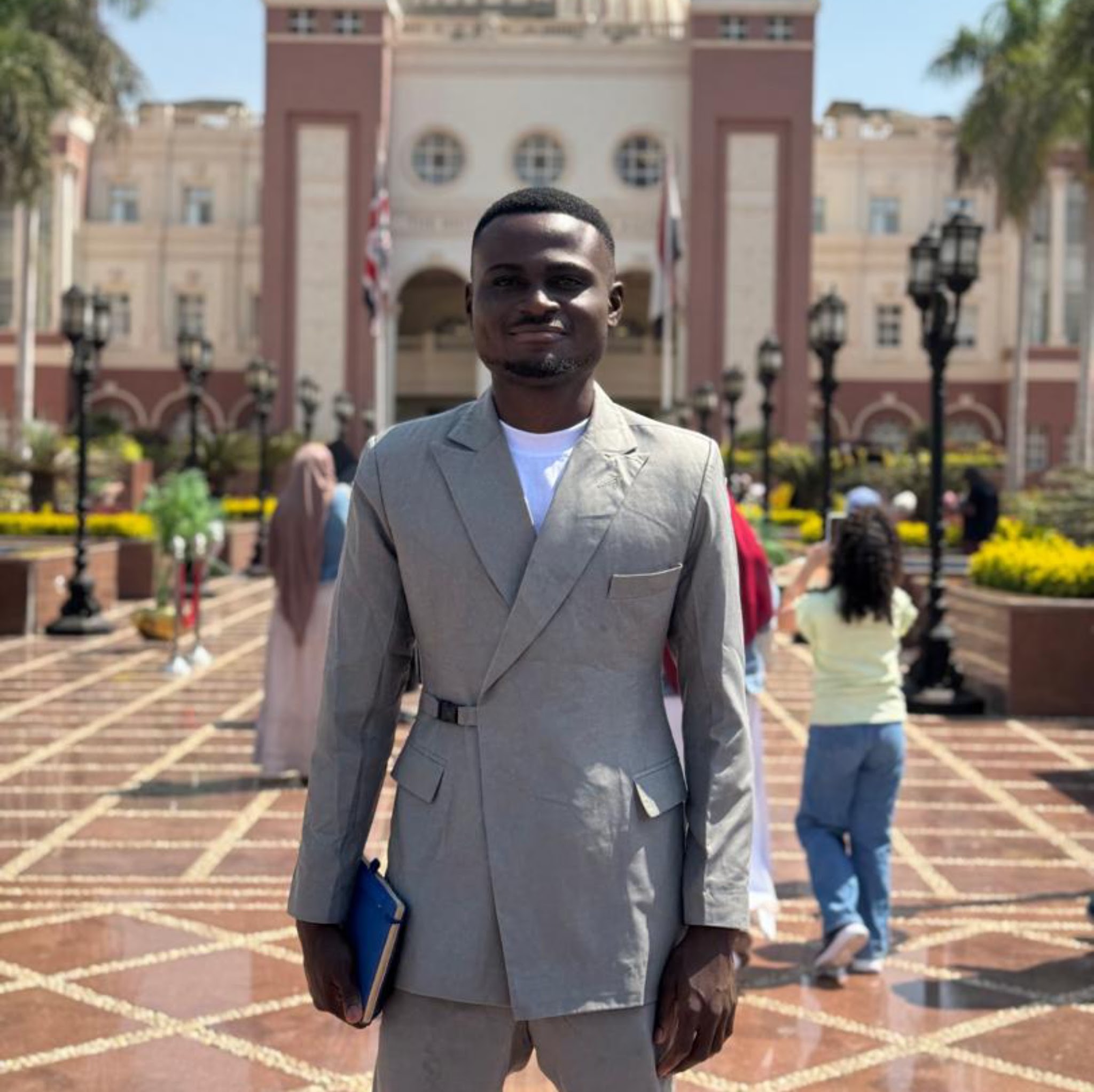

Ask Victor whether he ever doubted the money would come through, and he answers with a phrase he repeats like a personal law: you have to always believe you are going to win. He calls it being delusional while still putting in the work, and insists there was never a point, even before a single donation landed, where he thought Cairo would not happen.
It is the same logic behind the Alexander the Great line he keeps returning to. Coming from what he calls a middle-class Nigerian background, Victor argues that you cannot reach for global recognition while taking direction from people who have never left their own state, let alone conquered anything close to what you are chasing.
He recalled being warned, once, that the safety and certainty of Pharmacy was a better path than venturing into sports management and sports media, a caution he simply did not allow to change his mind. To him, the safer option was not necessarily the right one, especially when he had already decided that sports was something he wanted to build a career around.
That same appetite for risk shows up outside the fundraising story too. He once spent his entire month's pay from a gig just to travel from Benin City to another state for a single face-to-face conversation with a top sports management professional working in Nigerian sports, someone he had been trying to reach.
He made the trip, found the person, and introduced himself in person. It says something about how he operates: hand him a closed door and a plane ticket he cannot yet afford, and he will probably find a way to knock anyway.
Cairo Was Never Supposed to Be the Whole Story
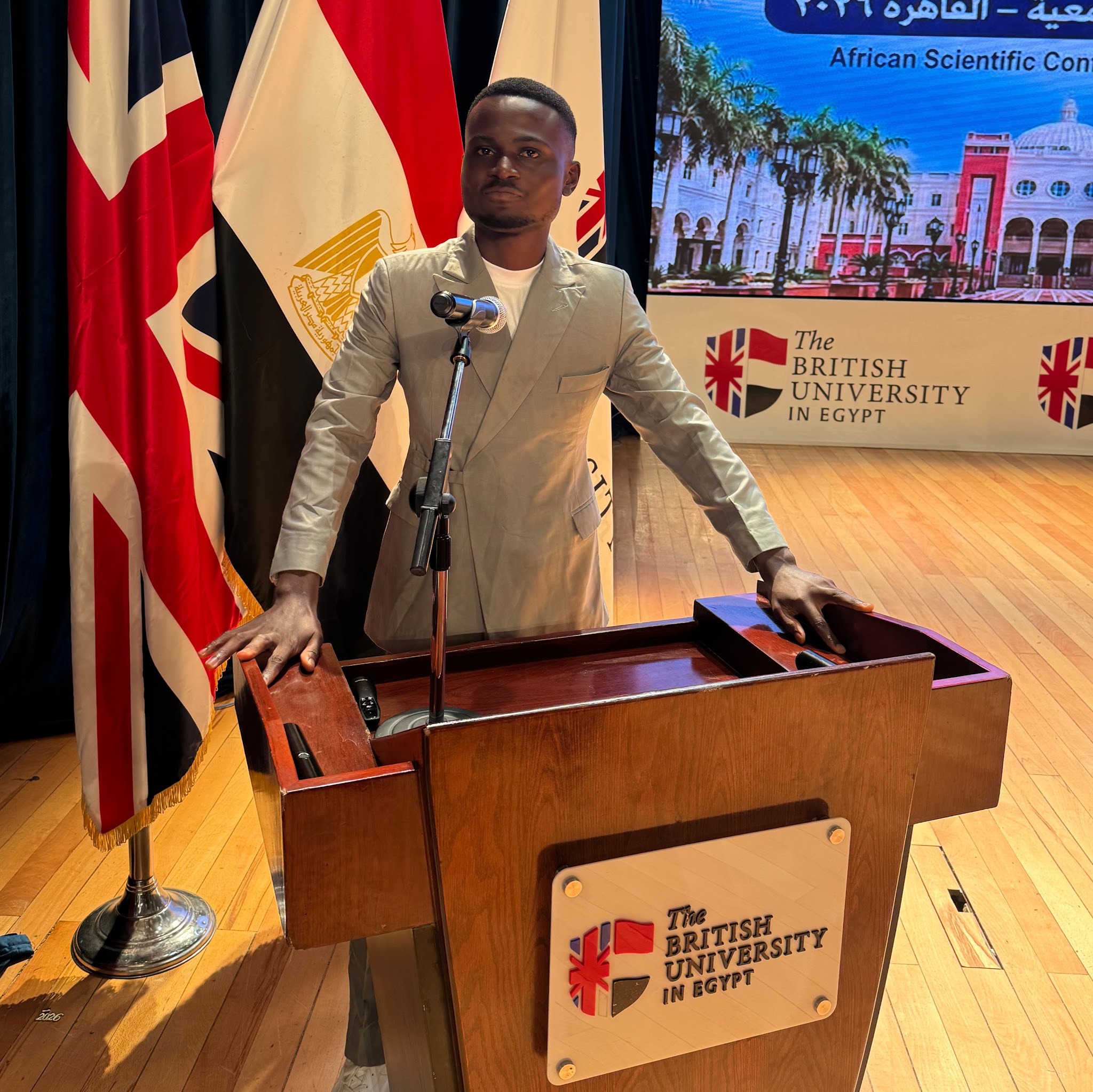
Ask Victor what people miss when they only see the headline, and he does not hesitate. Behind the TVC feature and the congratulatory messages sat nearly six years of being, in his words, “the unserious guy” in pharmacy school, the one who chose sports journalism over a business track everyone else seemed to be taking.
He watched that judgment on his classmates' faces for years before some of the same people sent him congratulations once Cairo happened, and he has made peace with the gap between the two.
His bigger point reaches beyond his own story. People fixate on the arrival, he argues, the listed company, the plane ticket, the feature, and rarely look back at the years of unglamorous work that made the arrival possible.
He wants young Nigerians without a clear path into sports to do one simple thing instead of waiting for permission: find the people already doing it, study how they moved, and get physically close to those spaces whenever they can afford to.
His own goals sit further out than Cairo. He wants certification in global sports governance and executive leadership, and eventually, the job of running a major football club, whether that club is in the English Premier League or one he helps build into an international name out of Nigeria.
He is just as blunt about what got him this far as he is about where he is going: surround yourself with people who do not flinch when you say the big thing out loud, because energy, in his words, is contagious.
Egypt gave Victor Olabisi a headline. What he is chasing next is a career nobody around him has fully mapped out yet, and he seems entirely comfortable being the one to draw the route.