From Nairobi to Lagos: Is African Real Estate a Smart Investment?
Lagos saw a 39.5% property price surge in 2024, hinting at a real estate boom. But with the naira’s collapse, the gains were mostly illusion, raising deeper questions about the true value of investing in African real estate.
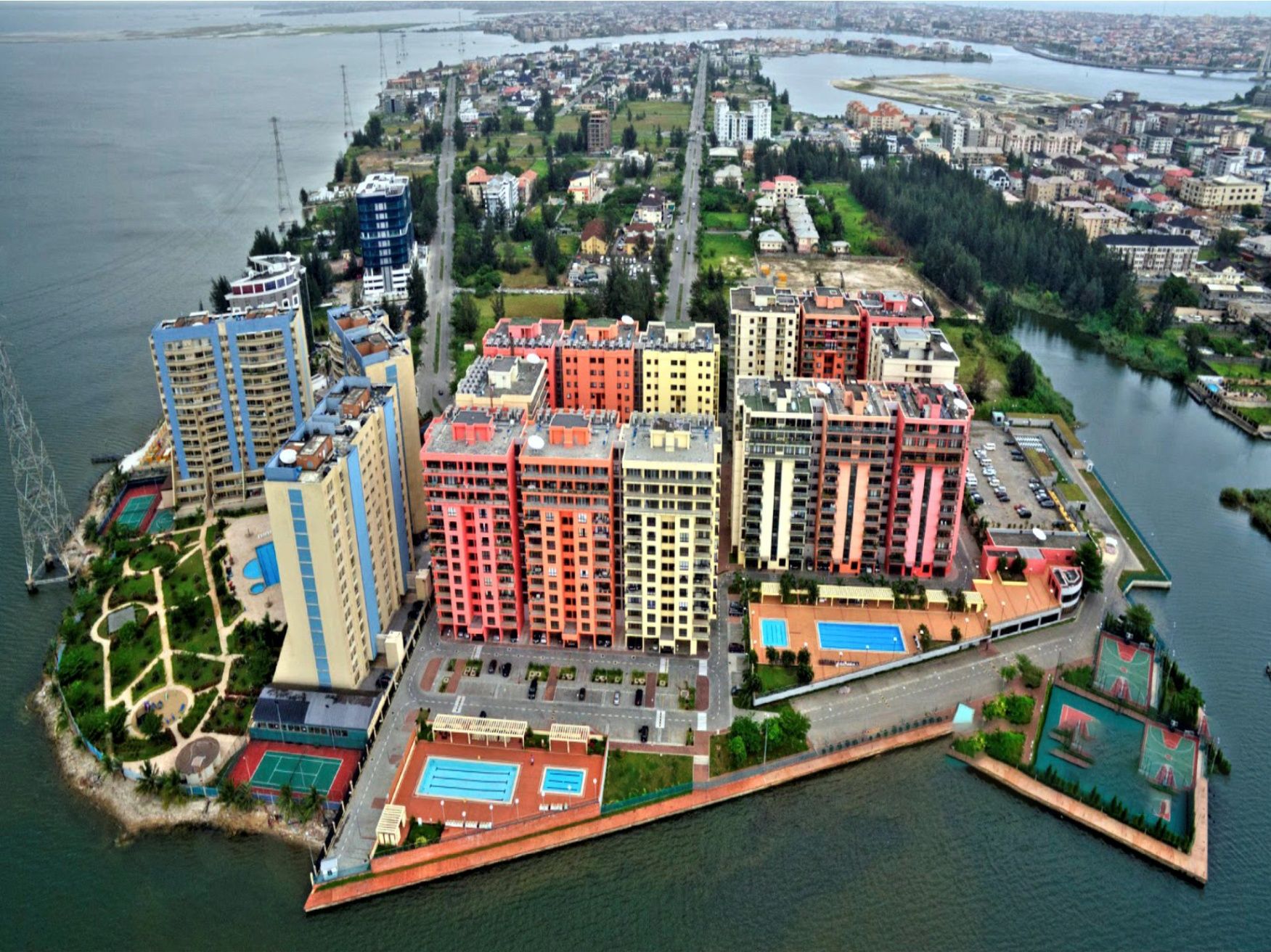
In a world where emerging markets increasingly define the contours of future wealth, Africa’s real estate sector glimmers with promise. Tower cranes dot the skylines of Nairobi, Accra, and Kigali. Swaths of undeveloped land are fast transforming into bustling suburbs. High-end malls and office towers spring up where informal markets once thrived.
The narrative is compelling: Africa, the last frontier, is urbanizing rapidly. In 2025, real estate in major African cities continues to offer attractive rental yields, though returns vary widely by location and property type.
Rental yields of 6–12% in select urban markets suggest the kind of returns that would make even seasoned investors in London or New York raise an eyebrow. But is African real estate really a wise investment?
Well, it depends on how you define “growth.”
What the Numbers Say

Image Credit: Unsplash
In Nairobi, Kenya, according to a report by Cytonn, the average rental yield for residential properties is around 4.9% — slightly down from previous years. However, some suburbs perform much better. For example, Kitengela offers about 6.7% returns, thanks to better roads and access, while Ngong follows closely at 6.4% due to ongoing urban development. Smaller units like studio apartments give lower returns (around 2.2%), whiletwo-bedroom homes in the suburbs perform best.
In Lagos, Nigeria, according to a report by Roland Igbinoba Real Foundation for Housing and Urban Development (RIRFHUD), investors can expect rental yields between 6% and 8% in most high-demand neighborhoods.
Areas like Lekki, Yaba, and Victoria Island offer higher returns, supported by new infrastructure and a growing short-term rental market. Even luxury properties maintain solid yields of around 5.5%, with the overall luxury market valued at over ₦3.2 trillion ($7.5 billion).
Meanwhile, Accra, Ghana stands out for especially high yields in 2025. In emerging neighborhoods like East Legon and Spintex, yields can reach 10%, while prime areas like Cantonments and Airport Residential see 8–11%. The luxury segment offers returns as high as 12%, with total annual returns including property value growth, sometimes exceeding 15–20%. Occupancy rates are strong, often between 85–95% in top areas, and two-bedroom apartments are the most balanced choice for investors, offering strong returns without pricing out tenants.
But to confuse price increase with profit is a classic financial fallacy.
The Economic Paradox

Image Credit: Unsplash
At a glance, the economic indicators are seductive. The African Development Bank forecasts robust GDP growth across numerous countries. By 2050, Africa is expected to host more than 2.5 billion people, with urban populations doubling to over 1.5 billion. This means more housing, more commercial space, more infrastructure—all essential drivers of real estate demand.
But to confuse potential with reality is a classic investment fallacy.

Wages in many African countries have not kept pace with property prices. Incomes remain volatile. Informal employment is widespread. This weakens the demand base for high-end properties and increases the risk of vacancy or rental default.
Unpredictable Crashes and Booms
Historically, African real estate markets have not followed the same boom-bust rhythms as their Western counterparts. South Africa provides the clearest case of cyclical dynamics. The early 2000s saw a property boom fueled by post-apartheid optimism, favorable lending conditions, and a growing consumer class.
Unfortunately, energy crises, political missteps, and global economic shocks repeatedly brought the market back to earth. Elsewhere, the cycles have been subtler—not due to stability, but because underdevelopment has kept the financial system from fully inflating speculative bubbles.
Here comes inflation, the silent variable that redefines what "growth" means.
Hedging Against Inflation: Storage Without Profit

Image Above: A Property in East Legon, Ghana. Credit: Bookings.com
Real estate is often described as a hedge against inflation. The logic is intuitive: as prices rise, so too should property values and rental income. But Africa tells a more complicated story. Inflation on the continent is frequently cost-push in nature, driven by currency depreciation, rising import costs, and supply-chain inefficiencies.
In 2024, building material prices in Nigeria rose more than 40% in a single year. Developers, left with little choice, passed these costs onto buyers. New units were priced higher—but that didn’t necessarily mean they were more valuable in real terms. In fact, many were less affordable, less accessible, and less aligned with real demand.
Consider Nigeria, where the case is particularly illustrative. In Lagos, property prices surged by 39.5% in 2024. On paper, that sounds like a bonanza. But in the same period, the naira plummeted in value. Measured in U.S. dollars or even in a basket of essential goods like rice, fuel, building supplies—the appreciation was largely illusory.
Investors who bought high and hoped for dollar-pegged returns saw their real purchasing power stagnate. One could sell an apartment for more naira, but the proceeds bought no more bread or cement than the year before.
This disconnect between nominal growth and real wealth is not just theoretical. A long-term study of Nigeria’s property market from 1999 to 2021showed that periods of high inflation correlated with declines in homeownership and weakened the relationship between property and actual wealth accumulation.
In essence, while properties might become more expensive, they don't necessarily make people richer.
So, where does that leave the would-be investor?
Solutions and Advice

Image Credit: Ghana Property Centre
A nuanced answer emerges: African real estate can be a wise investment—under certain conditions.
First, location is everything. Cities like Nairobi, Kigali, and Accra, with strong governance and pro-investment policies, offer more predictable environments than markets plagued by instability or opaque financial systems.
Second, investors should prioritize cash-flow-generating assets over speculative land purchases. Rental properties, especially in areas with strong demand from middle-income tenants or expatriate communities, offer a more tangible hedge against inflation than simply hoping for capital appreciation.
Third, savvy investors must think globally even while acting locally. Currency risk is real. Inflation is a constant specter. Professionals mitigate this by diversifying geographically, using currency hedging tools, and maintaining liquidity.
They don’t bank on real estate alone. For the average investor or local buyer, this level of sophistication may be out of reach. But even for individuals, the lesson holds: real estate can preserve value, but it is not a guaranteed escalator to wealth.
Conclusion
Yet, despite all this, there is reason for optimism. Roads are being paved. Skyscrapers are rising. Power grids are expanding. For those with very long patience, access to local insights, and a clear-eyed understanding of risk, African real estate can be part of a smart, long-term portfolio.
In the end, African real estate is best approached not as a get-rich-quick scheme, but as a bet on tangible, incremental progress in places where the future is being built—brick by brick.
Like the continent itself, the African real estate market is a landscape of contrasts: promise and peril, growth and stagnation, boom and bust. Wise investment here is not about chasing trends. It’s about understanding them.
Cover Image Credit: Own A Home Nigeria