From Goldfields to Mobile Money: How Ghana and Kenya Turned Historical Trade into Business Innovatio
Discover how Ghana’s gold legacy and Kenya’s mobile money revolution are transforming Africa’s business landscape. This in-depth article explores how historical trade traditions continue to fuel innovation, fintech growth, and economic resilience in West and East Africa.
.jpeg)
Africa’s economic journey spans centuries, built on resilience, trade networks, and innovation deeply rooted in culture. Long before colonial borders, African merchants connected inland markets with global networks through gold, ivory, and spices. The continent’s markets were not passive; they were dynamic centers shaping international commerce. Today, countries like Ghana and Kenya have transformed these ancient practices into modern business ecosystems, powered by digital tools and policy reforms. By tracing their trade history and its influence on modern entrepreneurship, we see how Africa’s past continues to shape its economic future.
Ghana’s Golden Legacy: From Empire Wealth to Fintech Power
The land we know as Ghana was once the heart of the ancient Ghana Empire, thriving between the 6th and 13th centuries. This empire built its wealth through gold mining and the control of trade routes stretching across the Sahara. Caravans carried gold dust, kola nuts, and iron, trading them for salt, fabrics, and horses. Merchants relied on trust systems and taxation, laying the foundations for early African commerce. Later, the Asante Kingdom rose to power, institutionalizing tribute collection and sophisticated governance, showing that economic systems were already advanced centuries ago.
Today, this legacy persists. Ghana remains Africa’s largest gold producer, exporting over $11.6 billion worth of gold in 2024 alone. The government has taken bold steps to protect this wealth by creating the Gold Board (GoldBod), which regulates gold trading and curbs smuggling. This governance mirrors the control ancient empires exercised over gold flows, showing continuity between past and present economic management.
To strengthen transparency, Ghana introduced blockchain technology, enabling real-time tracking of gold from mines to export markets. This innovation prevents illegal exports while boosting investor confidence. Trust, a core value in historical trade, is now digitally reinforced, proving how heritage shapes modern systems.
Ghana’s gold also influences its fintech sector. Companies like Nsano and Hubtel capitalize on gold’s symbolism of reliability to promote digital commerce. The government’s vision to establish Gold Village, a hub for jewelry artisans, merges cultural craftsmanship with business. These initiatives connect past identity with future opportunities, fostering economic resilience.
Additionally, Ghana is pioneering with the E‑Cedi, its central bank digital currency. This project transitions the nation from a history of gold-backed wealth to a future of digital currency, reflecting how traditional value systems can inspire technological advancement.
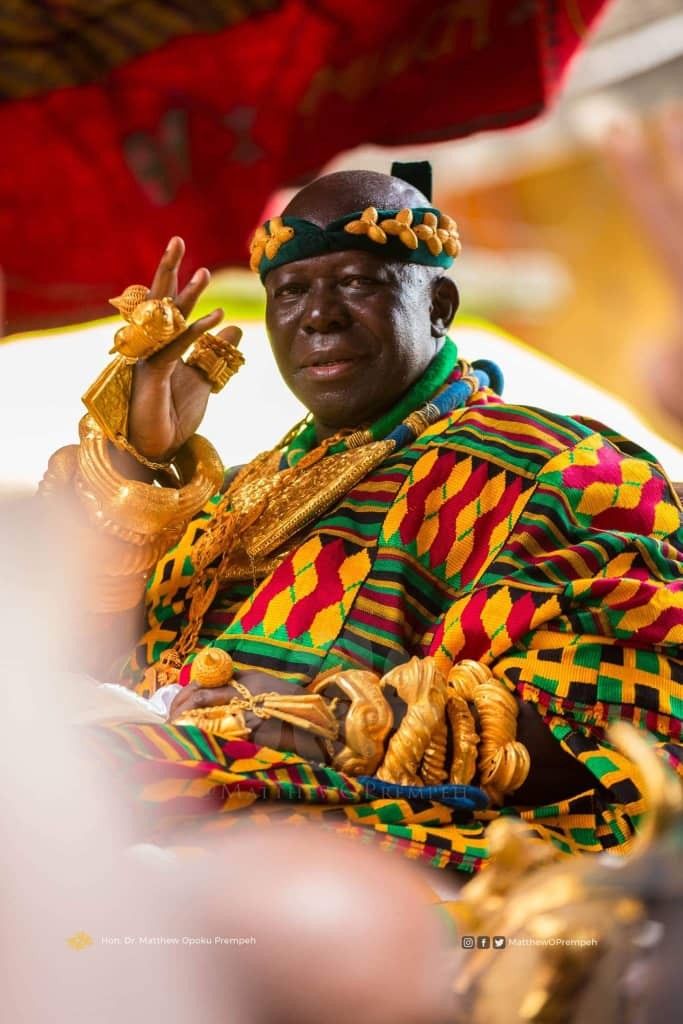
Image source: Pinterest
Kenya’s Coastal Trade Roots and the Mobile Money Revolution
Kenya’s history is shaped by coastal trade networks linking East Africa to Arabia, India, and China. Cities like Mombasa, Lamu, and Zanzibar were bustling hubs where merchants exchanged ivory, spices, and textiles. These markets thrived on negotiation, trust, and credit systems that relied on personal relationships—principles that remain essential to Kenya’s economic models today.
This tradition laid the foundation for Kenya’s digital transformation. The most iconic innovation is M‑Pesa, launched in 2007 by Safaricom and Vodafone. Initially designed for microloan repayments, it rapidly evolved into a peer-to-peer mobile money platform. M‑Pesa revolutionized financial inclusion, particularly in rural areas where banks were absent. By 2021, 84% of Kenyan adults used mobile money, up from 26% in 2006, with transactions covering nearly 60% of the country’s GDP annually.
The agent network behind M‑Pesa—small kiosks, shops, and vendors—reflects traditional trade routes where physical trust points were essential. These agents enable seamless cash-to-digital conversion, maintaining community trust while bridging digital gaps. This mirrors how caravan merchants centuries ago relied on trusted intermediaries to facilitate safe trade.
The impact is profound. A study by MIT revealed that M‑Pesa lifted 194,000 households out of poverty and enabled 185,000 women to transition into business. Women’s savings rose by 22%, highlighting how digital finance supports gender empowerment. This economic shift resembles historical marketplaces where women were central traders, proving that empowerment is rooted in both history and modernity.
Kenya’s innovation did not stop with M‑Pesa. Products like M‑Shwari extend mobile services to loans, savings, and insurance. Startups like Sanergy (waste-to-resource), JamboPay (digital payments), and SteamaCo (off-grid energy) demonstrate how Kenya blends local insight with scalable technology. These solutions echo historical adaptability—innovating in response to local needs while embracing global markets.
History
Rewind the Stories that Made Africa, Africa
A Journey Through Time, Narrated with Insight.
How History Shapes Future Business
The journeys of Ghana and Kenya highlight lessons for Africa’s growth:
Heritage builds trust: Ghana’s gold legacy and Kenya’s trade traditions form the cultural basis for today’s business confidence.
Inclusivity drives impact: Both nations prioritize rural communities and women, ensuring innovation reaches every level of society.
Adaptation fuels resilience: Blockchain tracking in Ghana and mobile money in Kenya prove that innovation thrives on adapting historical practices to modern needs.
Cultural branding strengthens markets: “Gold Village” in Ghana and Swahili heritage in Kenya reinforce business identity, making products uniquely African.
Regional leadership inspires growth: Ghana leads fintech in West Africa, while Kenya sets the standard for mobile commerce in East Africa.
Looking Ahead: Africa’s Next Wave of Innovation

Image source: Pinterest
The success of Ghana and Kenya is not just national; it sets a blueprint for Africa’s future. As AfCFTA (African Continental Free Trade Area) strengthens cross-border commerce, these countries’ models may inspire wider adoption of digital finance and heritage-based branding. Collaboration between gold-backed digital economies and mobile-driven markets could unlock unprecedented opportunities.
This next wave of innovation will depend on how effectively African nations merge tradition with technology to create solutions tailored to their unique contexts.
Investments from global tech firms and financial institutions are already targeting Africa’s fintech sector, drawn by success stories like M‑Pesa. Ghana’s move toward blockchain-tracked gold may attract ethical investors seeking transparency. Kenya’s growing startup culture is positioning Nairobi as the “Silicon Savannah,” attracting capital and talent from across the globe.
The next frontier could involve merging Ghana’s digital currency initiatives with Kenya’s mobile ecosystems, creating a pan-African digital economy. If these trends continue, Africa may lead the world in building inclusive, tech-driven economies rooted in cultural identity.
History
Rewind the Stories that Made Africa, Africa
A Journey Through Time, Narrated with Insight.
In conclusion
Ghana and Kenya show that Africa’s history is not a relic but a resource. From gold empires to mobile money revolutions, they prove that traditions of trust, innovation, and resilience can shape a prosperous future. Their stories reveal that when nations honor their heritage while embracing technology, they not only survive global shifts—they lead them.