From Awareness Walks to Action: Are We Truly Fighting Cancer or Just Talking About It?
“Cancer awareness campaigns like World Cancer Day and the pink ribbon raise visibility, but are they enough? This opinion piece questions whether symbolic gestures are masking real progress in the global fight against cancer.”
Introduction
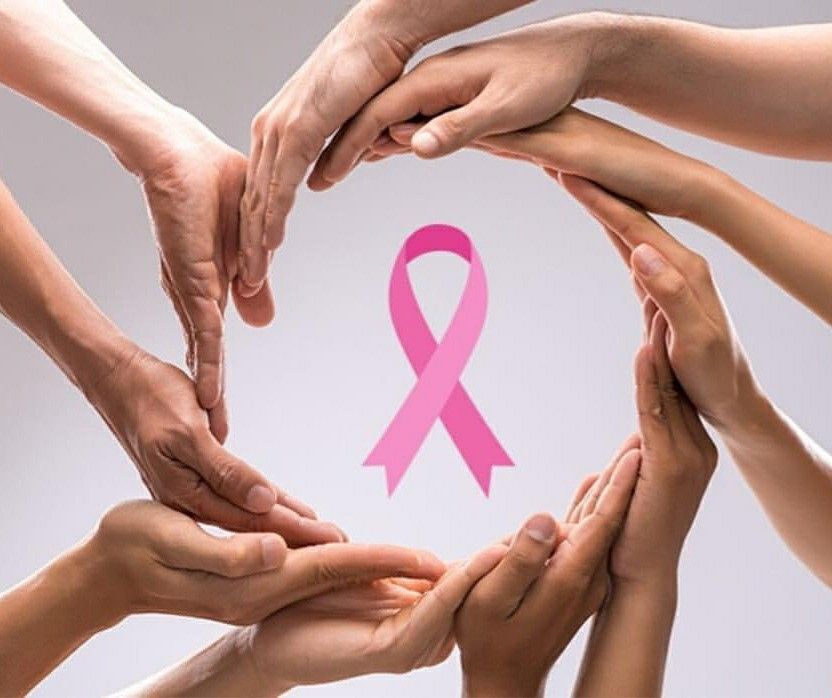
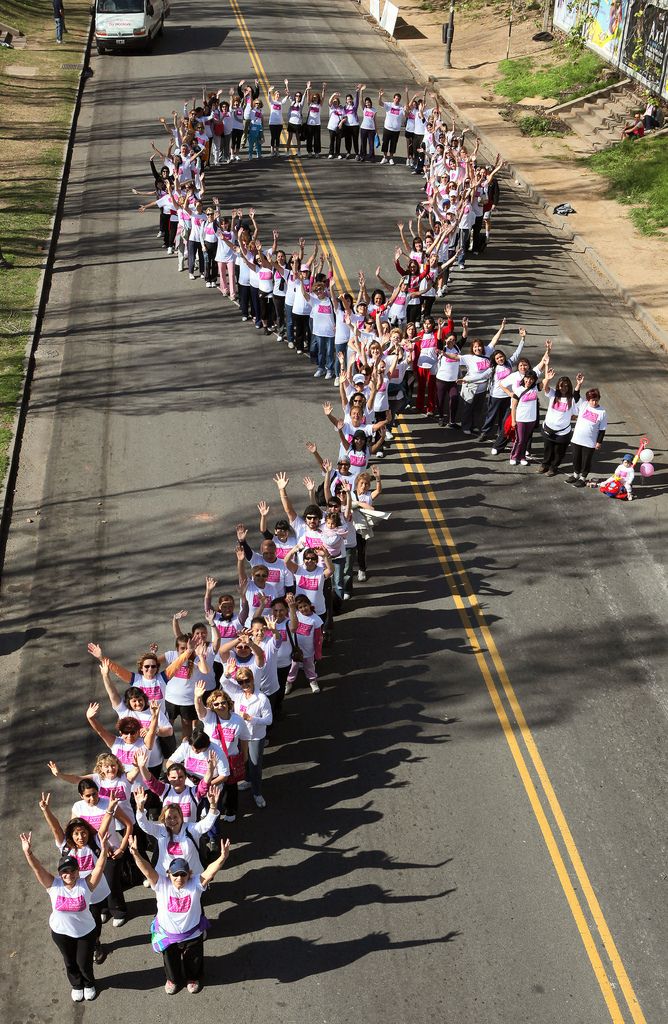
There has been no shortage of cancer awareness campaigns across the globe. From institutions organizing lectures to governments supporting advocacy groups, the spread of information has gained momentum over the years. Events like World Cancer Day observed every 4th of February, and symbols such as the pink ribbon—an international emblem of breast cancer awareness representing hope, solidarity, and support—have become powerful cultural markers. Yet despite these initiatives, cancer continues to eat deep into the very fabric of human society.
According to the World Health Organization (WHO), approximately 1 in 5 people will develop cancer in their lifetime. If this staggering statistic is true, shouldn’t there be more than just awareness campaigns? Shouldn’t there be deliberate and collaborative efforts to not only talk about cancer but to mitigate and possibly prevent its devastating impact?
It is time we ask ourselves a difficult but necessary question: Are these awareness activities enough, or are they merely symbolic gestures masking a lack of real progress?
The Symbolism of Awareness
Awareness does matter, and the masses need to be enlightened, but the facts must be faced: real progress and solutions will actually come from preventive ways to curb cancer completely. Rallies, ribbons, and hashtags are powerful in spreading knowledge, but they won’t just erase cancer by words alone. They are reminders, not remedies.
At its core, awareness campaigns serve as a wake-up call, but they often stop short of driving systemic change. What happens after the awareness walk ends, after the social media trend dies down, and after the pink ribbon is tucked away until next year? If awareness is not tied to concrete policies, research funding, early screening programs, affordable treatments, and lifestyle interventions, then it risks becoming a cycle of symbolic gestures without tangible impact.
Beyond Talk: Where Real Action Lies
The true fight against cancer is not in the slogans we chant, but in the science we fund, the preventive lifestyles we adopt, and the medical systems we strengthen. Preventive measures like reducing tobacco and alcohol use, encouraging healthy diets, promoting regular exercise, and ensuring vaccinations against cancer-causing viruses (like HPV and Hepatitis B) could save millions of lives.
Yet, prevention is often sidelined because it is less glamorous than a walkathon and less visible than a colorful ribbon. Action means investing in research for early detection, making cancer screenings routine and affordable, and ensuring treatments are not luxuries but accessible healthcare rights. Until governments, institutions, and individuals take these practical steps, cancer awareness will remain half a solution.
The Role of Society and Responsibility
It’s easy to point fingers at governments or pharmaceutical companies, but society also has a role to play. Communities must hold leaders accountable for stronger healthcare systems, support cancer patients beyond sympathy, and create environments that discourage risk factors. Schools, workplaces, and even families should promote healthier living, while the media should prioritize education over sensationalism.

We must also confront uncomfortable questions: Are corporations profiting from the cancer “awareness industry”? Are pharmaceutical giants more focused on expensive treatments than affordable prevention? These questions are tough, but avoiding them will only keep us running in circles.
Conclusion: From Symbolism to Substance
Awareness is the first step, but it cannot be the only step. Cancer does not respect ribbons, slogans, or one-day campaigns — it respects science, prevention, and action. If one in five people will face cancer in their lifetime, then society cannot afford to keep cancer conversations at a symbolic level.
The real fight against cancer begins when awareness transforms into deliberate policies, lifestyle changes, medical accessibility, and research-driven solutions. Until then, we risk confusing “talking about cancer” with “fighting cancer.” And in that gap, the disease continues to claim lives.