Fashion's Hidden Secret: The Surprising Original Purpose of Your Jeans' Tiny Pocket Revealed
Uncover the hidden history and surprising modern utility of the tiny pocket found in almost every pair of jeans. Originally designed for pocket watches by Levi Strauss & Co. in the late 19th century, this iconic feature remains relevant today, offering practical storage for small items while preserving a classic denim detail.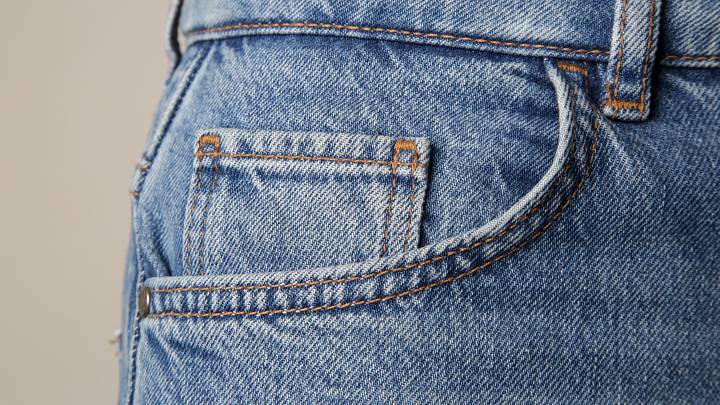
Many individuals have embarked on the quest for the "perfect" pair of jeans, those elusive garments that combine an ideal fit with thoughtful design, prioritizing both comfort and style.
In this pursuit, one often scrutinizes various design elements, from eye-catching embellishments like studs, faux pockets or playful cutouts to the simpler and more practical aspects of a jean's cut and wash.
Among these details, a small and often overlooked pocket, tucked within the larger pocket on the hip, frequently sparks curiosity. This unassuming feature prompts questions regarding its original purpose and continued existence, inviting a deeper dive into the history and evolution of denim.
The earliest iterations of jeans did not feature this now-iconic tiny pocket, which many of us have instinctively attempted to access. The origins of this unique design element can be traced back to 1873 when Levi Strauss and Jacob Davis patented a version of this feature.
However, it was not until the 1890s that jeans incorporating the classic tiny pocket began to be mass-produced.
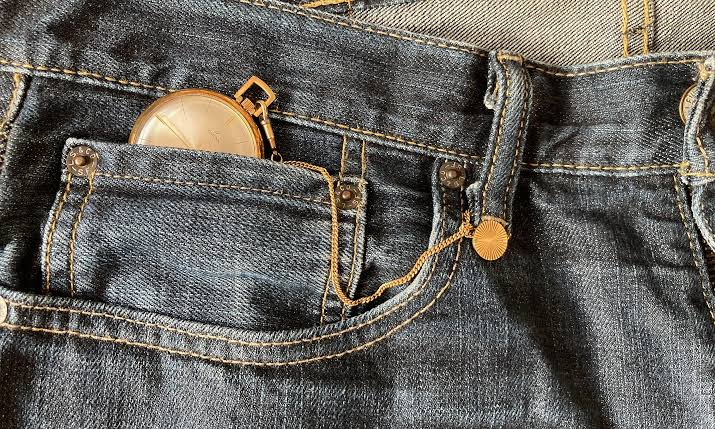
Levi Strauss & Co. introduced this small but significant detail with their primary clientele in mind: hardworking individuals such as farmers, miners, carpenters, and railroad workers, who commonly carried pocket watches as part of their daily routine.

While vintage films often depict individuals gracefully retrieving watches from suit jackets, for these laborers clad in casual workwear, the tiny pocket offered a practical and secure solution for storing their timepieces.
A closer inspection of this pocket reveals two small, inverted-snap-like features known as rivets, positioned at either end of its opening. These rivets serve a crucial functional purpose beyond mere aesthetics, specifically designed to prevent the pocket from tearing under the strain of frequent use.
In 2026, the widespread use of wristwatches and smartphones means that the original function of the tiny jean pocket for carrying pocket watches is largely obsolete. Yet, these pockets persist in modern denim designs.
There are two primary reasons for its enduring presence.
Firstly, the design itself has achieved iconic status; removing this pocket would strip jeans of a classic detail that is literally woven into their historical fabric. Secondly, the pocket continues to offer practical utility for a variety of small items.
It serves as a convenient spot for carrying chapstick, credit cards, tissues, folded cash, coins, or any other compact item one might wish to keep separate and easily accessible from the main pockets.
Furthermore, it can even be utilized as a secure point from which to hang sunglasses.
This enduring adaptability underscores how jeans, as a garment, have transcended fleeting trends over centuries, firmly establishing themselves as a universal staple in closets across the globe, irrespective of geographical location, economic status, or profession.