Exclusive: Next 'Lord of the Rings'-Level Blockbuster Set to Redefine Cinema in 2026!
Producer Namit Malhotra discusses the monumental vision behind the upcoming film <i>Ramayana</i>, positioning it as a global epic that rivals and even predates franchises like <i>Avatar</i> and <i>The Lord of the Rings</i>. The film, featuring an unprecedented score by A.R. Rahman and Hans Zimmer, is being shot for IMAX, promising a culturally rich and visually breathtaking cinematic experience.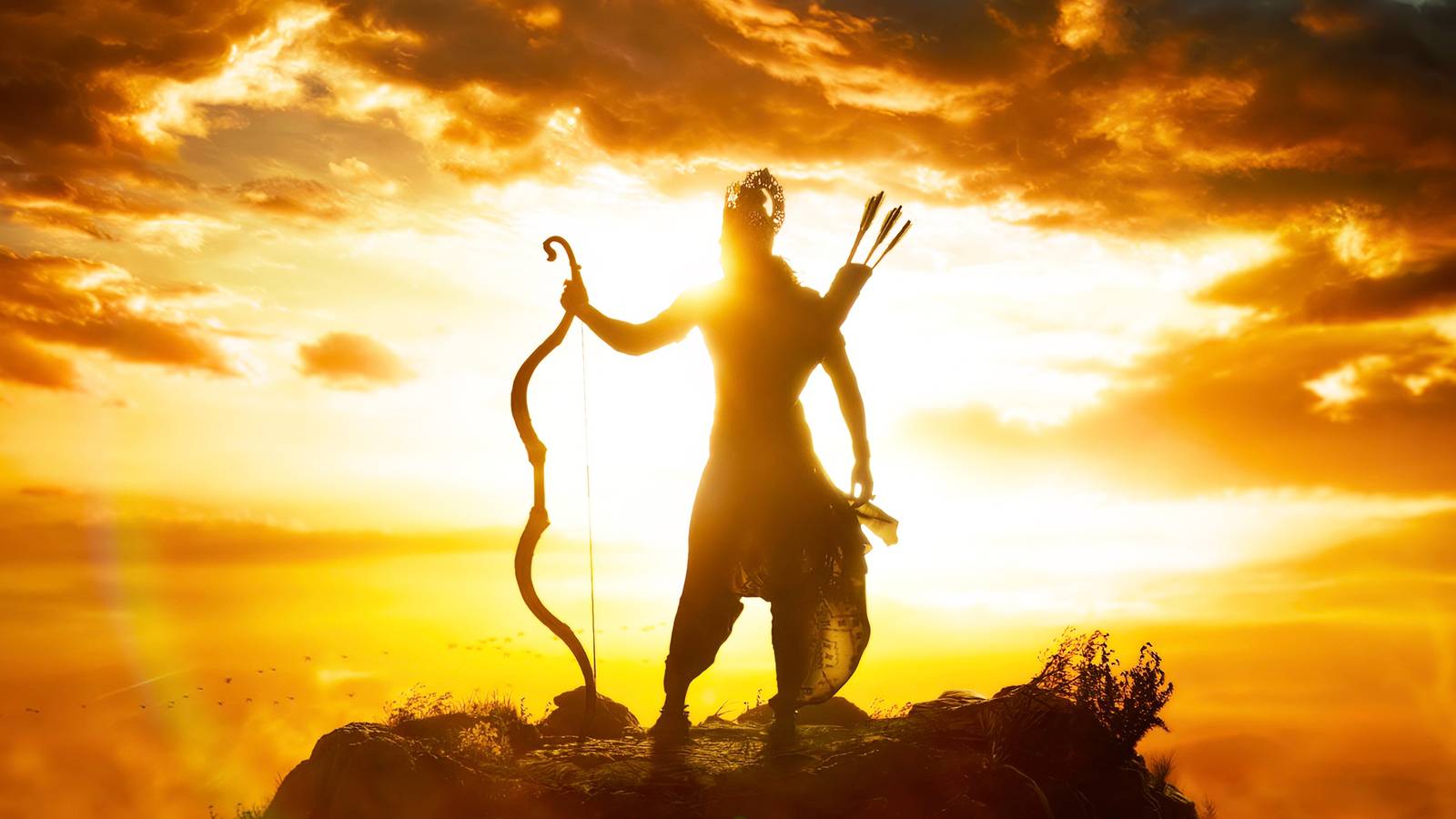
Producer Namit Malhotra, CEO of the eight-time Oscar-winning visual effects studio DNEG, discussed the highly anticipated film Ramayana in an interview with Collider's Steve Weintraub. Directed by acclaimed Indian director Nitesh Tiwari, the movie aims to tell the centuries-old legend, based on the ancient writings of revered Indian poet Valmiki, like never before. Starring Ranbir Kapoor as Lord Rama, Sai Pallavi as Sita, Ravie Dubey as Lakshman, and Yash as the formidable demon king Ravana, the film is poised to be one of 2026's most anticipated blockbusters, blending epic storytelling with breathtaking visuals.
Malhotra emphasized the unparalleled scale of Ramayana, stating that it stands "shoulder to shoulder" with any big, large-scale project globally. He further asserted that Ramayana serves as the blueprint for many global epics, including Avatar and The Lord of the Rings. He highlighted that the term "avatar" itself originates from an Indian word, ɐʋɐt̪aːɾɐ, precisely describing Lord Rama as the avatar of Lord Vishnu. This inherent connection suggests that the fundamental framework of Ramayana has influenced much of the world's most enduring storytelling.
The film delves into the destiny of Lord Rama, the human prince of Ayodhya, as he dedicates himself to an honorable life with his wife and brother, only to be drawn into a cosmic battle against Ravana. This clash will determine the fate of gods and mortals. Malhotra explained that the story inherently balances grand spectacle with intimate character moments, as the evolution, conflict, and journeys of each character are deeply embedded in the ancient text. Unlike a classical three-act structure, Ramayana naturally features battle scenes and spectacles woven throughout its narrative, ensuring a continuous epic experience.
A significant aspect of the production is its commitment to the theatrical experience. Filmed for IMAX from the very beginning of camera testing, Ramayana is designed to utilize multiple formats to enhance its visual storytelling seamlessly. As the CEO of DNEG, Malhotra underlined the importance of integrating visual effects effectively, not merely for cost efficiency but to expand filmmakers' visions beyond physical limitations, ensuring a cohesive and authentic narrative rather than just dazzling visuals.
The film's score is a historic East-meets-West collaboration between two Academy Award-winning composers, A.R. Rahman (Slumdog Millionaire) and Hans Zimmer (Dune). Malhotra recounted how both composers expressed immense respect for each other and for the Ramayana itself, making the collaboration effortless. Hans Zimmer, in particular, recognized the story's timeless relevance, stating that anything existing for over 5,000 years with continued relevance needs no further analysis. Malhotra shared a personal anecdote of being moved to tears upon hearing the initial music, highlighting the profound emotional impact and sensory depth of their combined work, particularly the themes developed for Ram and Ravana.
Addressing concerns about runtime, Malhotra stated that the film would not be a "two-hour hit-and-run." He referenced the immense success of the 1980s Ramayana TV show, which captivated the entire nation for years, as an indicator of the story's inherent ability to engage audiences for extended periods. While mindful of cinematic economics and audience capacity, the focus remains on investing viewers in the story and characters, ensuring an epic style of storytelling. Malhotra clarified that he views Ramayana primarily as a foundational piece of Indian culture rather than solely religious. This perspective allows for an inclusive, open, and diverse narrative that celebrates universal themes of good over evil, such as Diwali. He expressed that his passion for doing justice to a story of this magnitude currently outweighs business considerations, believing that authentic storytelling will naturally lead to commercial success.
Ramayana: Part 1 is set to open in theaters and IMAX globally during Diwali 2026, with Part 2 currently in production and slated for a global debut during Diwali 2027.