Europe on Edge: Widespread Drought Sparks Water Restrictions and Emergency Declarations Across UK and France
France and England are facing severe and worsening drought conditions, driven by successive heatwaves and record-low rainfall. Widespread water-use restrictions are in effect across both nations, impacting water resources, agriculture, and daily life, while climate change is identified as a primary exacerbating factor.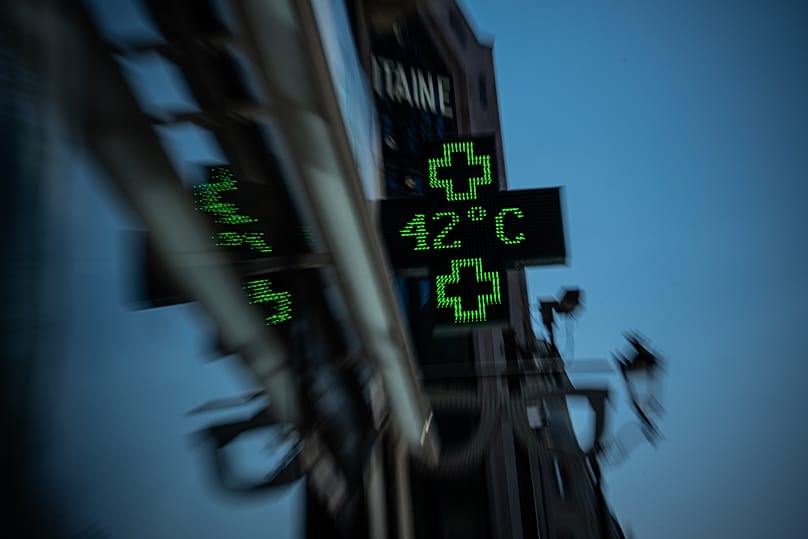
France is grappling with severe drought conditions, with nearly 70% of its territory currently under water-use restrictions. This widespread imposition follows a series of successive heatwaves over the past three months, compounded by drought, which have shattered temperature records, resulted in thousands of excess deaths, and fueled massive wildfires. The ministry for ecological transition stated that "As France is experiencing a particularly severe drought, the effects of climate change continue to increase pressure on water resources." As of August 9, 2026, the vast majority of mainland France, including Paris, was under at least the first water warning level, with 67 of the country's 101 departments escalated to the highest crisis alert.
Under the highest crisis alert, water is strictly reserved for priority uses such as healthcare, civil protection, drinking water, and sanitation. In areas with lower alert levels, restrictions apply to activities like watering gardens and green spaces, filling swimming pools, washing cars, and irrigating crops. Further underscoring the worsening drought, the country's Bureau of Geological and Mining Research (BRGM) reported that two-thirds of the aquifers, which supply most of France's drinking water, have dropped below their normal levels. This significant drawdown of groundwater reserves, while common in summer, is particularly pronounced this year due to a "shortfall in effective rainfall in July and the increase in water demand for various purposes," especially from agriculture and tourism.
July 2026 was recorded as the hottest month ever in France and the third driest July in terms of precipitation, with a national rainfall deficit of nearly 70%, according to Météo-France. Ecology minister Monique Barbut noted on July 27 that drinking water supplies were "under strain in several areas," with tap water cuts already impacting "more than 30,000 people," who are now supplied with drinking water via tanker trucks or bottled water. The minister was set to convene a crisis meeting on the drought, as France and swathes of Europe faced another heatwave, with Météo-France warning of temperatures as high as 35C in the southeast, spreading across the country.
Water policy is increasingly emerging as a critical issue in the French presidential campaign. During a visit to Argelès-sur-Mer, Gabriel Attal addressed the topic, expressing his unwillingness to cede the issue to environmentalist parties. Jean-Luc Mélenchon had also previously engaged with the drought issue, proposing a new administrative division based on river basins, which he terms "eco-regions." In his view, this new structure would enable more effective management of water reserves.
Across the English Channel, England is likewise in the grip of drought, with some 71.3% of the nation declared to be in drought by the UK government. This follows England's driest July on record, coupled with a fifth heatwave and minimal rain forecast. Parks and fields, typically verdant at this time of year, appear parched and yellow, river levels have dwindled, and farmers are cautioning about potential food shortages due to low crop yields. The environment department stated that "Almost three-quarters of England is now in drought as conditions worsen following a dry start to August," with parts of the central Midlands and northeast England joining other areas experiencing prolonged dry weather. "All regions of the country are experiencing pressure on their water resources," with "nowhere" in the UK maintaining a "normal" status.
The Department of Environment, Food and Rural Affairs (DEFRA) indicated that most of England is experiencing a "flash drought," characterized by rapid development due to extremely low rainfall and high temperatures. This marks the third drought Britain, often known for its unpredictable wet weather, has endured in five years. More than 50% of England had already been declared in drought by the end of July. Britain was also facing its fifth heatwave of the 2026 summer, which has seen numerous temperature records broken. England and Wales both recorded their driest July ever, with England receiving just 10% of its usual long-term average rainfall. DEFRA warned of "more dry weather and another heatwave on the way, with temperatures tipped to reach the mid-30s in some places."
The government has imposed irrigation restrictions on farmers and enacted hosepipe bans in several regions, affecting over 27 million people. Official figures show that 45 million people now reside in a drought area. Tony Grayling, head of the National Drought Group at the Environment Agency, remarked that "We know the hot and dry weather is taking a real toll on farming and there will be long-lasting impacts on our environment." Scientists universally warn that climate change is intensifying the frequency and severity of extreme weather events, such as the heatwaves and prolonged dry conditions affecting much of Europe.