Ethiopia Crisis Deepens: Capital Captured Amidst Regional Tensions
Ethiopian federal forces have retaken Mekelle, the Tigray regional capital, dealing a major blow to the TPLF. Regional leaders convened in Egypt to address the escalating conflict and the risk of a wider war across the Horn of Africa. The TPLF, having retreated, indicated a shift to guerrilla-style tactics.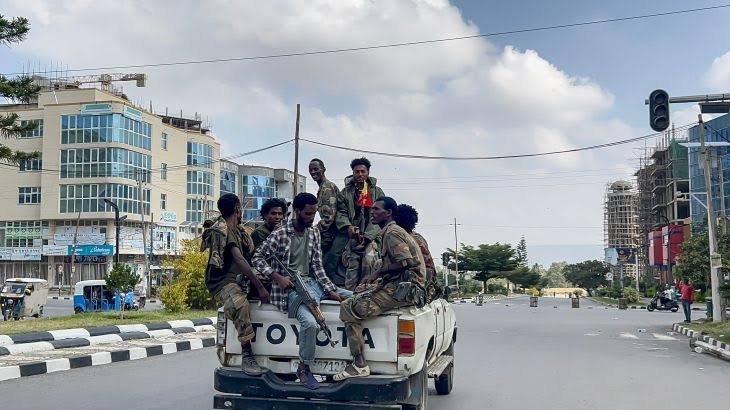
Ethiopia Retakes Mekelle as Tigray War Flares Up Again
Ethiopian federal forces and allied fighters have retaken Mekelle, the capital of Tigray, after the Tigray People’s Liberation Front (TPLF) withdrew from the city.
The takeover is a major setback for the TPLF, but it does not mean the fighting is over. The group has said its regional administration will operate from another location, while its leadership has indicated that its forces intend to continue the conflict elsewhere.
Federal forces entered Mekelle on Saturday after capturing its main airport and advancing into the city. The TPLF confirmed that it had temporarily withdrawn, saying the move was intended to prevent further destruction in the capital.
Mekelle has changed hands before
The latest fighting began on September 23, when the TPLF launched attacks as part of a wider opposition alliance seeking to challenge Prime Minister Abiy Ahmed’s government.
The escalation has revived memories of Ethiopia’s devastating 2020–2022 war, when federal forces and the TPLF fought for control of Tigray.
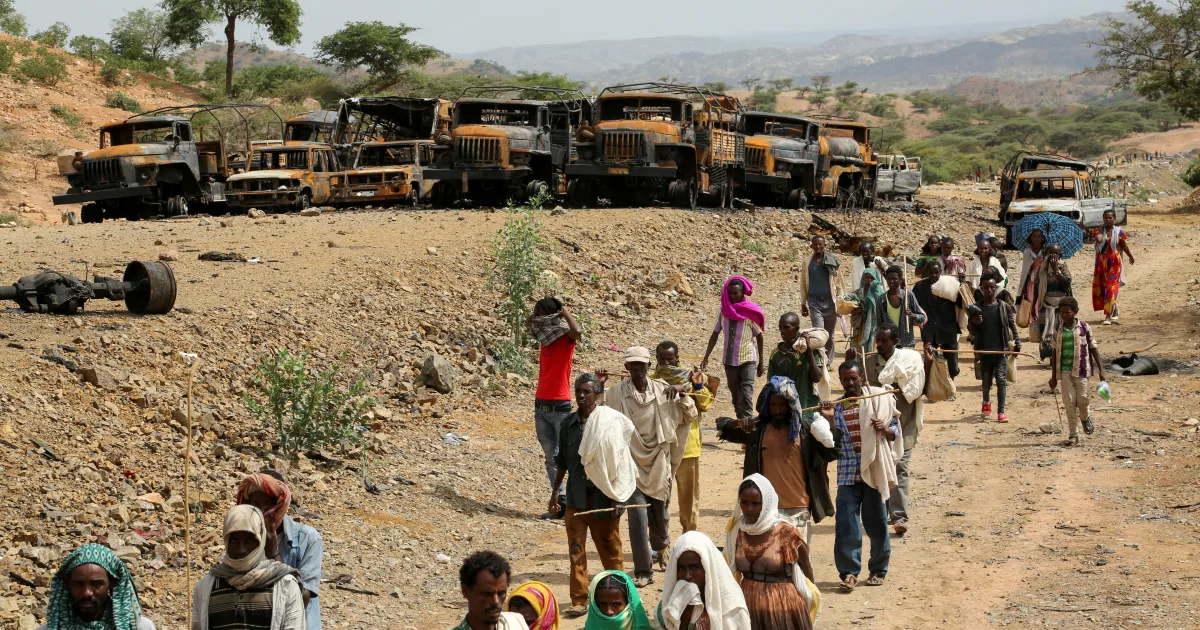
That conflict killed hundreds of thousands of people, displaced millions and left much of Tigray facing severe humanitarian and economic damage.
A peace agreement signed in Pretoria in November 2022 ended the large-scale fighting. But several major issues remained unresolved, including disputed territories, the return of displaced people and the full implementation of the agreement.
The latest clashes suggest that the settlement has failed to prevent another serious confrontation.
The TPLF is retreating, not surrendering
The TPLF's withdrawal from Mekelle gives the federal government control of the regional capital, but it does not settle who controls Tigray.
The group has already signalled that it plans to continue fighting from outside the city. Its leader, Debretsion Gebremichael, has suggested that TPLF forces could return to the kind of guerrilla warfare they used after Mekelle was captured by federal forces during the previous war.
That history matters because the TPLF eventually recaptured Mekelle in 2021.
For now, residents are left dealing with the immediate consequences. Shops remained closed in parts of the city, while some residents organised local security after government forces and police withdrew during the period surrounding the TPLF's departure.
Ethiopia's neighbours are now part of the story
The conflict is also unfolding against a sharp deterioration in Ethiopia's relations with Eritrea.
Addis Ababa has accused Eritrea of supporting the opposition alliance, along with Sudan and Egypt. All three countries have denied involvement.
Eritrea, which shares a border with Tigray, fought alongside Ethiopian federal forces during the 2020–2022 war. Relations have since deteriorated dramatically.
Eritrea announced on October 1 that it was severing diplomatic ties with Ethiopia, after Ethiopia accused it of supporting forces opposed to the federal government.
That raises the stakes beyond Tigray.
Any prolonged fighting could affect the wider Horn of Africa, particularly if Ethiopia's confrontation with Eritrea develops alongside existing tensions involving Sudan, Egypt and the Nile.
What happens after Mekelle?
The federal government's immediate task is to consolidate control over Mekelle and establish an administration in Tigray.

Former Tigray Interim Administration president Abraham Belay has said preparations are being made for a new interim regional administration, with regional elections expected after new administrative structures are established.
The TPLF, meanwhile, has made clear that losing Mekelle does not end its campaign.
That leaves Ethiopia facing a difficult period. The government may have regained the regional capital, but holding the city is very different from restoring lasting stability across Tigray.
For civilians who already lived through one devastating war, the concern is straightforward: how long will this one last, and how far will it spread?