Eritrea's Culinary Revolution: A New Journey of Flavors and Identity
Eritrea is poised for a culinary renaissance, leveraging its diverse ethnic traditions, Red Sea bounty, and unique vegan fasting-season dishes. By learning from African culinary successes like Senegal and Morocco, and empowering its diaspora and women, Eritrea aims to elevate its cuisine to global recognition. This transformation will blend ancient authenticity with modern techniques and presentation.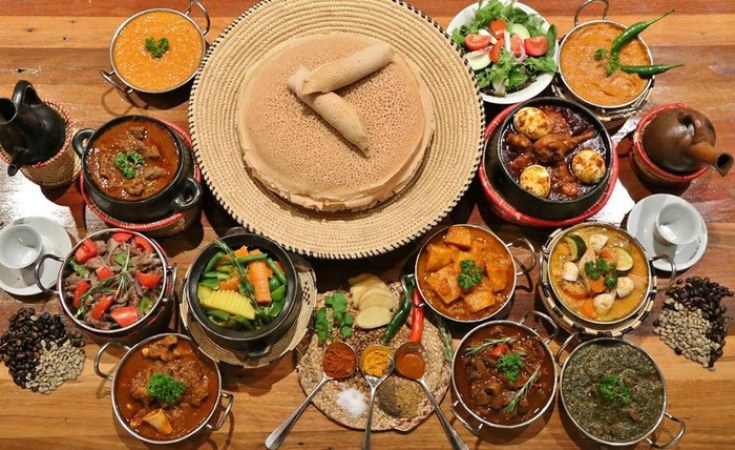
Eritrea stands poised on the brink of a profound cultural transformation, with a unique opportunity to ignite a genuine culinary renaissance. This awakening is deeply rooted in the nation's ancient food traditions but is simultaneously open to embracing modern techniques, adhering to global standards, and fostering bold creativity. The journey begins with a recognition of the rich depth and vast diversity embedded within Eritrea's nine distinct ethnic groups, each contributing its own unique ingredients, specialized cooking styles, and cherished food rituals. Documenting these invaluable traditions is not merely an act of nostalgia; rather, it forms the indispensable foundation upon which a sophisticated, modern national cuisine can be meticulously built.
Recipes, spanning from the intricate fermentation process of injera to the artful roasting of coffee, from complex spice blends to distinctive regional dishes, are awaiting formal recording, meticulous refinement, and widespread sharing. This documentation ensures their evolutionary progress without compromising their inherent soul and authenticity. Furthermore, Eritrea's extensive Red Sea coastline presents an extraordinary additional dimension to this culinary awakening. Blessed with an abundance of diverse marine resources—including a wide variety of fish, succulent shrimp, prized lobster, and other seafood—the nation possesses the raw materials to cultivate a truly dynamic and globally competitive seafood culture. By strategically investing in training local chefs in contemporary cooking methodologies and sophisticated seafood service, Eritrea can unlock the immense economic and gastronomic potential of its magnificent coastline.
Remarkably, this culinary transformation does not necessitate the immediate construction of entirely new, state-of-the-art institutions. A significant number of existing Eritrean hotels are already equipped with standard, professional-grade kitchens and essential equipment that can be immediately repurposed as effective training centers. By intelligently converting these current facilities into practical, hands-on learning hubs, an environment conducive to rapid skill development can be established without delay, proving that a national culinary school is not a prerequisite for launching such a vital initiative.
Instructive lessons can be drawn from the successful culinary revolutions witnessed across the African continent. Senegal offers one of the most compelling and inspiring examples. Its universally beloved national dish, thieboudienne—a harmonious and flavorful combination of rice, fresh fish, ripe tomatoes, various vegetables, and meticulously balanced spices—has successfully transitioned from a cherished home-cooked meal into an internationally acclaimed culinary triumph. Senegal masterfully preserved the dish's fundamental authenticity while simultaneously enhancing its production processes, standardizing its quality, and refining its overall presentation. This serves as a powerful model, illustrating precisely how Eritrea, leveraging its rich Red Sea resources, can adeptly modernize its own traditional seafood dishes—such as kilwa asa, fish zigni, or its array of coastal stews—to captivate and appeal to both discerning local diners and an expanding global audience. Through a combination of culinary creativity and disciplined execution, Eritrea is poised to develop signature seafood dishes that proudly highlight its maritime heritage, allowing them to confidently stand alongside Africa's most celebrated cuisines.
Morocco similarly provides invaluable inspiration. Its iconic couscous and tagines have long been revered symbols of tradition. Yet, contemporary Moroccan chefs have skilfully elevated these classics through innovative presentation, imaginative ingredient pairings, and enhanced cooking precision. A simple tagine, once served communally and family-style, now frequently graces the tables of fine-dining establishments, artfully plated with elegance, clarity, and a distinctly modern flair. Eritrea can judiciously learn from this approach, applying—rather than merely copying—the same philosophical principles to its own cherished classics such as zigni, shiro, hamli, lentil stews, and diverse regional specialties. By meticulously refining textures, balancing flavors with greater intentionality, and embracing sophisticated modern plating techniques, Eritrean chefs can steadfastly preserve the authentic essence of their cuisine while confidently venturing into the world of refined dining.
One of Eritrea's most remarkable and often underappreciated strengths resides in its fasting-season cuisine. This particular culinary segment is inherently vegan and bursting with intense, natural flavors. At a time when global demand for plant-based food is experiencing rapid and substantial growth, Eritrea possesses an invaluable, untapped treasure. Yet, there remains enormous potential to further elevate these dishes—through improving the richness and depth of stews, enhancing the intricate layering of spices, experimenting with innovative roasting or grilling techniques, and presenting food with meticulous care and creative artistry. Fasting-season dishes could, in fact, become a central and highly attractive selling point for Eritrean cuisine, both within Eritrea and internationally, offering nutritious, deeply satisfying meals that appeal to dedicated vegans, health-conscious diners, and all admirers of bold, spice-driven foods. The strategic transformation of these traditional fasting-season meals into gourmet vegan offerings has the potential to position Eritrea as a significant and influential contributor to the global plant-based dining movement.
A truly revitalized national cuisine is also intrinsically linked to improved and consistent access to high-quality ingredients. The crucial strengthening of supply chains for staple items like taff, various legumes, dairy products, aromatic spices, diverse meats, and fresh seafood not only provides essential support to local farmers and small-scale producers but also guarantees a consistent standard of quality in both restaurants and homes across the nation. When Eritrean ingredients become reliably available, not just domestically but also for international export, chefs gain the confidence to showcase their national cuisine far beyond the country's geographical borders. Export-ready products, such as the distinctive berbere spice blend, traditional tesmi clarified butter, dried seafood, and preserved legumes, could effectively introduce Eritrea's unique flavors to the global market, simultaneously generating valuable economic opportunities within the country.
Restaurants are pivotal in shaping public perception and experience of a cuisine. Eritrea's evolving dining scene stands to benefit immensely from the emergence of chef-driven establishments that actively celebrate regional culinary diversity and prioritize elevated presentation. The development of specialized culinary concepts—such as sophisticated seafood restaurants highlighting the distinctive flavors of the Red Sea, authentic suwa houses celebrating traditional Eritrean beverages, dedicated vegan eateries centered around the exquisite fasting-season food, and modern cafés showcasing the ceremonial art of coffee preparation—can introduce unprecedented variety, sophistication, and a deep sense of cultural pride. Such ventures will also serve as vital training grounds, nurturing young chefs by instilling professional kitchen discipline, upholding high service standards, and fostering innovative culinary thinking.
The role of the Eritrean diaspora is undeniably central to achieving this extensive culinary transformation. Eritrean chefs, skilled bakers, passionate baristas, insightful food scientists, knowledgeable nutritionists, and experienced hospitality professionals residing abroad have collectively amassed invaluable knowledge and expertise within diverse international environments. Their collective contribution—whether through intensive in-person workshops, engaging digital training sessions, easily accessible step-by-step instructional videos, or sustained mentorship programs—can dramatically and rapidly enhance culinary skills within Eritrea. Furthermore, the diaspora can serve as powerful cultural ambassadors, actively helping to raise global awareness of Eritrean cuisine by establishing authentic restaurants, publishing comprehensive cookbooks, and meticulously creating engaging content that proudly and professionally showcases the distinct flavors of Eritrea.
Food tourism represents yet another powerful and promising opportunity. Eritrea's stunning natural landscapes, deeply rooted traditions, and renowned hospitality naturally lend themselves to creating immersive and unforgettable culinary experiences. Events such as vibrant food festivals in the capital city of Asmara, enchanting seaside seafood celebrations in the historic port city of Massawa, unique camel milk tasting experiences in the lowlands, scenic coffee tours in the highlands, and authentic farm-to-table events in Keren can attract a wide array of visitors from across Africa and indeed, from around the globe. With its unparalleled combination of rich history, diverse cultural tapestry, and the majestic Red Sea, Eritrea possesses the intrinsic capacity to forge a distinctive tourism identity that seamlessly blends exceptional cuisine, compelling storytelling, and genuine hospitality into a truly captivating destination.
Crucially, women—who have historically served as the steadfast guardians of Eritrea's profound culinary knowledge—must remain at the absolute core of this renaissance. Actively supporting women-led cooperatives, entrepreneurial spice businesses, professional catering services, and independent small restaurants not only significantly amplifies community participation but also plays a vital role in preserving invaluable intergenerational knowledge. Women's profound expertise, meticulously honed through decades of practical mastery, forms the very backbone of Eritrean cuisine and therefore merits widespread celebration, thorough documentation, and extensive sharing.
Finally, robust government and institutional support can act as a powerful accelerator for this burgeoning culinary movement. This support should encompass promoting sustainable agricultural practices, facilitating comprehensive training programs, actively supporting food-related enterprises, and strategically integrating Eritrea's rich food heritage into its national branding initiatives. Policies that actively encourage innovation, ensure rigorous certification, and uphold strict quality control standards will collectively elevate the entire sector. Concurrently, the Eritrean media, alongside a growing cohort of digital content creators, can play an instrumental role by showcasing intricate cooking techniques, meticulously documenting diverse regional dishes, and sharing compelling narratives of culinary excellence and achievement.
With its exceptionally rich heritage, abundant natural resources, and a passionate global community, Eritrea unequivocally possesses all the essential ingredients required to cultivate a vibrant, respected, and thoroughly modern national cuisine. By astutely learning from the celebrated successes of countries such as Senegal and Morocco, by wholeheartedly embracing the unique strengths of its fasting-season foods, by thoughtfully elevating its traditional dishes, and by unlocking the full, untapped potential of its Red Sea bounty, Eritrea can definitively shape a culinary identity that is simultaneously proudly authentic and exquisitely modern. A profound renaissance of Eritrean dishes—a movement built firmly upon tradition, invigorated by innovation, and enthusiastically carried forward by Eritreans everywhere—is not merely an aspirational possibility, but a tangible reality within reach, eagerly awaiting to be cooked, savored, shared, and universally celebrated.