EPA Superfund Sites on Long Island Declared Clean: Major Environmental Win for the Region
The EPA has provided updates on several Long Island Superfund sites, confirming the effectiveness of cleanup efforts but noting ongoing monitoring is required. While one site in Smithtown has achieved full remediation, a new proposal outlines final steps for the Garden City Park site, highlighting varied progress in managing long-standing environmental contamination across the region.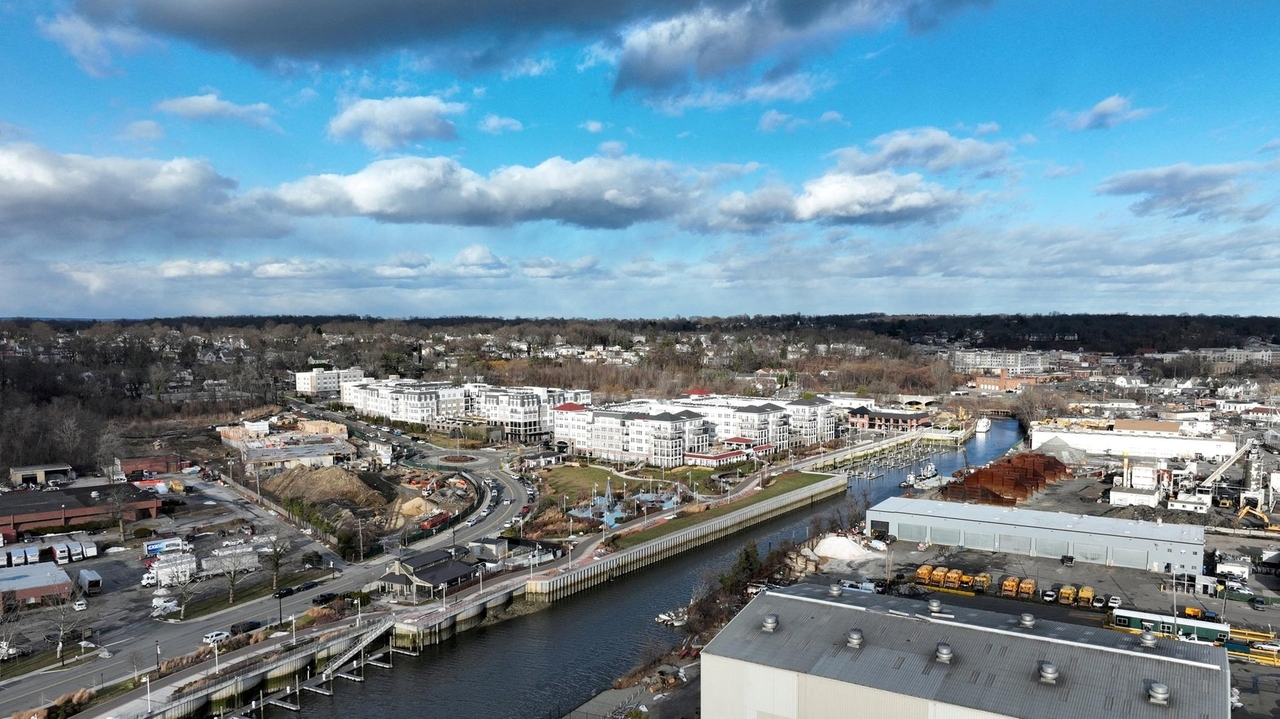
The U.S. Environmental Protection Agency (EPA) has affirmed that cleanup remedies at five hazardous waste sites on Long Island continue to be effective in protecting human health, though some of these toxic areas necessitate ongoing monitoring. These federally mandated reviews, conducted every five years, were part of a broader appraisal of 32 federal Superfund sites across New York, New Jersey, and Puerto Rico. Specifically on Long Island, the sites reviewed are located in Glen Cove, Port Jefferson Station, Franklin Square, and East Farmingdale.
According to Stephen McBay, an EPA spokesman, these reviews did not identify any new or immediate risks to people or the environment. Recommendations frequently involved continued monitoring or actions to ensure the sustained effectiveness of cleanup measures. Despite the EPA's assurances, environmental advocate Adrienne Esposito, executive director of Citizens Campaign for the Environment, cautioned against prematurely concluding cleanup efforts. Esposito emphasized the immense amount of cleanup undertaken but stressed that the community "shouldn’t be anxious to wrap it up and walk away." Citing Long Island's dependence on its aquifer system for drinking water, she underscored the critical need for judicious remediation that considers all routes of public exposure. Esposito highlighted that water utilities often bear the cost of removing chemicals, sometimes struggling to achieve zero contaminants, making aquifer protection paramount.
Long Island hosts more than 20 sites on the EPA's National Priorities List (Superfund list), with over 10 having been removed, alongside more than 300 state Superfund sites managed by the New York State Department of Environmental Conservation.
Detailed reviews of the recently appraised sites revealed specific challenges and progress:
At the former **Lawrence Aviation Industries site in Port Jefferson Station**, operations from the late 1950s involved manufacturing sheet metal, generating waste stored in a drum-crushing area and an earthen lagoon. Studies identified a volatile organic compounds (VOCs) groundwater plume extending into a residential area, alongside contaminated soil. Remediation has included excavating approximately 17,000 tons of soil, removing over 2,300 tons of asbestos-containing debris, and demolishing ten manufacturing buildings in 2024. While a soil portion was partially removed from the National Priorities List in 2025, the groundwater plume remains part of ongoing cleanup. Polluted groundwater still enters Old Mill Pond, but trichloroethylene (TCE) concentrations have been reduced, indicating the remedy is functioning as intended, though cleanup goals have not yet been fully met.
The **Circuitron Corp. site in East Farmingdale**, occupying about an acre in an industrial and commercial zone near Bethpage State Park and Republic Airport, was used for electric circuit board production from 1961 to 1986. Waste was released into leaching pits, cesspools, and storm drains, leading to groundwater and soil contamination with VOCs (such as tetrachloroethene or PCE, linked to cancers) and metals like arsenic and lead. Since its Superfund designation in 1989, cleanup involved removing 55 drums of toxic liquids and 1,200 tons of contaminated soil, alongside groundwater and soil remediation. The facility building was destroyed in 1986, and no manufacturing has occurred since. A risk assessment concluded that the area's soils and sediments pose no significant risk to human health or the environment, and public water usage in the area prevents human exposure to groundwater contamination. The EPA confirms its remedy is functioning as intended, with exposure pathways for soil and groundwater interrupted or eliminated, though groundwater contamination remains limited to the southwest portion of the site.
In **Franklin Square, the Genzale Plating Superfund Site**, located in a primarily residential area, was a metal plating facility operating from 1915 to 2000. It disposed of wastewater containing heavy metals and other contaminants in four leaching pits, resulting in soil contamination (TCE, nickel, lead, copper) and groundwater contamination (VOCs and metals). The most significant public health risks—ingestion of groundwater, inhalation of groundwater VOCs, and direct contact with soils—have been partly addressed by residents receiving drinking water from the Franklin Square Water District and site fencing. Cleanup included removing over 1,000 tons of toxic soil and soil vapor extraction. However, one monitoring well still shows VOC concentrations above both state and federal levels, requiring more data to assess potential contaminant rebound.
The **Li Tungsten Superfund Site in Glen Cove**, active between 1942 and the mid-1980s for tungsten ore handling, includes portions of nearby Captain’s Cove properties. Metal contaminants (barium, arsenic, mercury) were found in soil, and groundwater was also contaminated. Restoration involved removing approximately 158,000 cubic feet of polluted soil and dredging radioactive "hot spots" from Glen Cove Creek. With commercial and residential development now underway, the recent review identified a need for additional monitoring of increased arsenic concentrations in a specific groundwater area and recommended further testing for elevated levels of perfluoroalkyl and polyfluoroalkyl substances (PFAS) in groundwater wells at the Captain’s Cove property.
Finally, the **Mattiace facility property in Glen Cove** includes the facility itself and a VOC-contaminated groundwater plume extending about 700 feet. The surrounding area contains a sewage treatment plant, businesses, other hazardous sites, and public amenities like beaches and Nassau County Garvies Point Preserve. Mattiace Petrochemical Co. used organic solvents, which can cause cancer, from the mid-1960s to the late 1980s, discharging liquid waste into a wet well, tanks, or a leaching pool. This resulted in groundwater and soil contamination (including PCE and TCE). Early remediation efforts in the 1980s and 1990s included removing roughly 100,000 gallons of hazardous materials and pesticide hot spots, followed by groundwater treatment and soil vapor extraction. Human exposure has been addressed as surface soils are not contaminated, soil vapors haven't been found in residences, and drinking water is unaffected. Nevertheless, the review suggested further evaluation of potential groundwater contamination from areas south of the property, currently part of the state's Brownfield Cleanup Program.
In contrast to the ongoing monitoring at several sites, all cleanup work at the **Smithtown Groundwater Contamination Superfund site** has been completed after more than two decades, the EPA announced. This means the site no longer poses a threat to human health or the environment, with contamination levels in the groundwater now meeting drinking water standards. The contamination, detected in the mid-1990s, involved tetrachloroethylene (PCE) tainting dozens of private drinking wells in Nissequogue, Head of the Harbor, and St. James. Despite investigations, the exact sources remained unidentified. The EPA began providing bottled water and filters in 1998, and the site became a federal Superfund site in 1999. A cleanup plan was designed by 2004, leading to the connection of affected residents to public water starting in 2005, funded by federal and state contributions. Subsequent five-year reviews from 2011 to 2020 confirmed the decline of PCE levels below minimum standards. This closure was met with relief from local officials and residents, including Smithtown Supervisor Ed Wehrheim and Nissequogue Mayor Richard Smith, who lauded the positive impact of public water connections.
Meanwhile, the EPA has submitted its final proposal to address decades of contamination at a **Superfund site in Garden City Park**, with public comments accepted until August 18. The proposal suggests installing monitoring wells to confirm natural contamination decrease and restricting groundwater use with a ban on private wells in the area. A public meeting is scheduled for Thursday to explain the plan. The contamination, dating back to the 1960s and 1970s, originated from a fabric-cutting mill that disposed of dry cleaning fluid (TCE and PCE, linked to various cancers) into a well, which then leached into groundwater and soil, affecting public drinking supply wells. Initial cleanup measures more than 25 years ago by the former property owner, Genesco Inc., included removing contaminated soil (1998-2001), extracting about 10,000 pounds of PCE toxic gas via a soil vapor extraction system, and installing a sub-slab ventilation system. Groundwater entering two public wells in Garden City was treated with an air stripper. In 2015, the EPA scrapped a plan for a separate groundwater pumping and treatment system, deeming it unnecessary due to declining contamination levels. The current proposal does not include plans for additional cleanup, relying instead on natural processes and stringent restrictions.