DSS Stuns Activist Sowore, Suspends Controversial Trial Until After 2027 Election
Lawyer Tope Temokun, AAC candidate Omoyele Sowore, and his party have strongly criticized the DSS's decision to merely suspend, rather than withdraw, Sowore's criminal case until after the 2027 presidential election. The case, stemming from Sowore's description of President Tinubu as a "criminal," has ignited a debate on political criticism, state prosecution, and accountability amidst national security concerns. All parties demand the complete discontinuation of charges, an apology, and the return of seized items.
The Department of State Services (DSS) has taken the significant step of directing its counsel to suspend the alleged cybercrime case against Omoyele Sowore, the African Action Congress (AAC) presidential candidate, until after the 2027 presidential election.
This decision, reportedly made by DSS Director-GeneralTosin Ajayi, aims to allow Sowore to participate fully in the upcoming elections without hindrance, especially after the Independent National Electoral Commission (INEC) lifted the ban on presidential campaign activities on August 19, 2026.
The case stems from social media posts made by Sowore in 2025, where he referred to President Bola Ahmed Tinubu as a "criminal," a description the DSS deemed a "psychological attack" requiring judicial interpretation.
However, this suspension has been met with strong criticism and demands for a complete withdrawal of the charges from various quarters.
Lawyer and Public Advocate, Tope Temokun has vehemently called on the DSS to entirely withdraw the criminal case, arguing that Sowore's description of President Tinubu falls squarely within the context of legitimate political criticism and accountability.
Temokun emphasized that the statement is not grave enough to warrant the extensive state prosecution it has received and urged the DSS to discontinue the case outright, rather than merely suspending it.
He further stated that if the DSS fails to act, the Attorney General of the Federation should intervene to discontinue the prosecution.
Omoyele Sowore himself has openly mocked the DSS's decision, describing it as a "victory for resistance" and accusing the security agency of being forced to "eat humble pie" after pursuing the case for nearly a year.
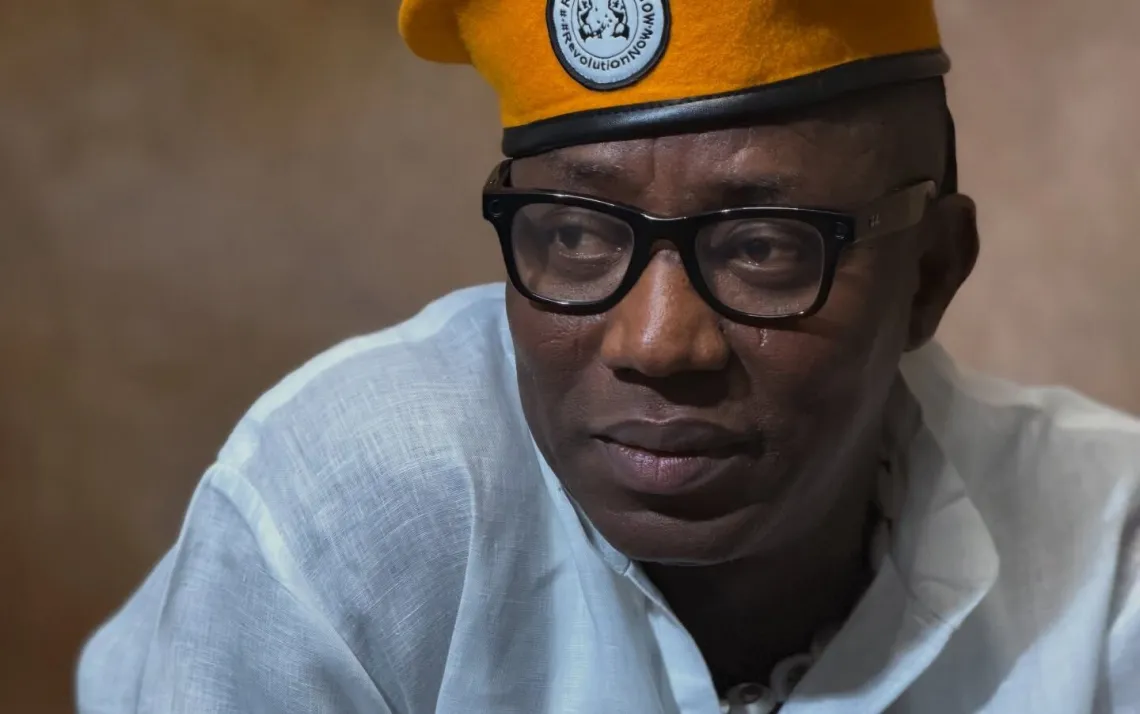
He highlighted his decades-long struggle against oppression across various administrations and military rule, stating that neither he nor his supporters would be intimidated.
Sowore demanded not only the complete withdrawal of the charge but also an apology from the DSS for what he termed an "abuse of power," compliance with court orders for the payment of ₦3 million in fines, and the immediate return of phones, a drone, and other items unlawfully seized from his assistant, Zainab Sodiq.
The African Action Congress (AAC) echoed Sowore's sentiments, rejecting the mere suspension of the case and demanding its immediate discontinuation.
The party argued that Nigerian criminal procedure does not contain provisions for indefinitely suspending a criminal trial, leaving it hanging over an accused person.
The AAC labeled the prosecution as an abuse of state power and political persecution, asserting that Sowore should never have been prosecuted in the first place.
Beyond the withdrawal of charges, the AAC also demanded the removal of DSS Director-General Tosin Ajayi, accusing the agency under his leadership of engaging in political harassment and violating fundamental rights.
The party insisted on the return of Sowore's passport and other electronic devices, including those whose return had already been court-ordered.
Temokun further broadened his critique, questioning the government's allocation of significant prosecutorial resources to Sowore's case amidst widespread insecurity across Nigeria. He cited alarming levels of banditry, kidnapping, illegal mining, and killings in various regions, arguing that the government should prioritize addressing these existential threats.
He highlighted the precarious safety of young Nigerians participating in the National Youth Service Corps (NYSC), who are required to travel across dangerously insecure roads.
Temokun dismissed arguments that insecurity predates the current administration, asserting that it does not absolve the government of its responsibility to confront these challenges.
He stressed that the President, as head of the Federal Government, bears significant constitutional responsibility for national security and must expect political criticism, even harsh or offensive, over the country's security situation.
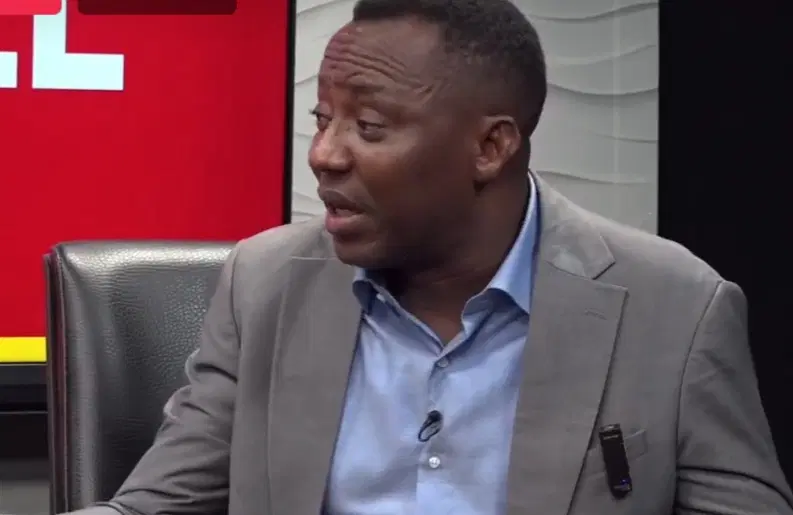

The lawyer emphasized that harsh political speech should ordinarily be answered through public debate, not criminal prosecution. He argued that anyone holding the highest political office must be prepared to face severe criticism concerning the conditions citizens endure, especially when faced with rampant insecurity and criminality.
The legal proceedings themselves have been contentious. On August 3, proceedings were disrupted by a heated exchange between DSS counsel Akinolu Kehinde and Sowore's lead lawyer, Adeyinka Olumide-Fusika, SAN, over the defence's request for documents and accusations of "dilatory tactics."
The Attorney-General of the Federation and Minister of Justice, Lateef Fagbemi, SAN, also made a surprise appearance, asserting his constitutional authority to intervene in criminal proceedings.
The DSS initially approached the court on September 16, 2025, after Sowore refused to remove his social media posts, seeking a judicial interpretation on the lawfulness of describing the President as a criminal, citing its responsibility to protect the President beyond physical threats to include psychological ones.
The calls from Tope Temokun, Omoyele Sowore, and the African Action Congress collectively underscore a fundamental debate concerning freedom of speech, political accountability, and the role of state security agencies in a democracy, especially in the context of electoral processes.
They argue that the state's power should not be used to stifle dissent or persecute political opponents, particularly when the nation faces more pressing security challenges.