Africa Today: DRC Ebola Outbreak Worsens, Ghana Mining Verdict Sparks Political Row
Today's top African headlines include the worsening Ebola outbreak in DR Congo, a UN warning on hunger across Africa, Ghana's landmark illegal mining conviction, developments in Senegal, Nigeria and the migrant tragedy off Mauritania.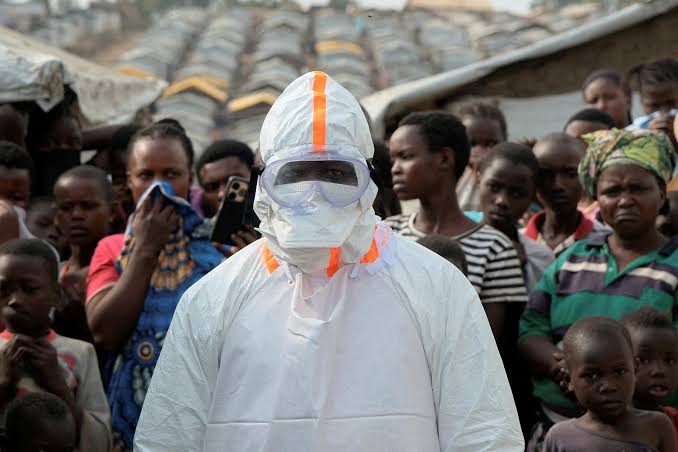
From a rapidly spreading Ebola outbreak in the Democratic Republic of the Congo to a landmark court ruling in Ghana, here are the biggest stories making headlines across Africa today.
DRC Faces Record Ebola Outbreak
Health authorities in the Democratic Republic of the Congo are racing to contain what has become the country's fastest-growing Ebola outbreak on record.
As of July 19, officials had confirmed 2,423 infections and 967 deaths, with the Bundibugyo strain of the virus spreading across five eastern provinces. Ituri Province remains the epicentre, accounting for the vast majority of infections and fatalities.
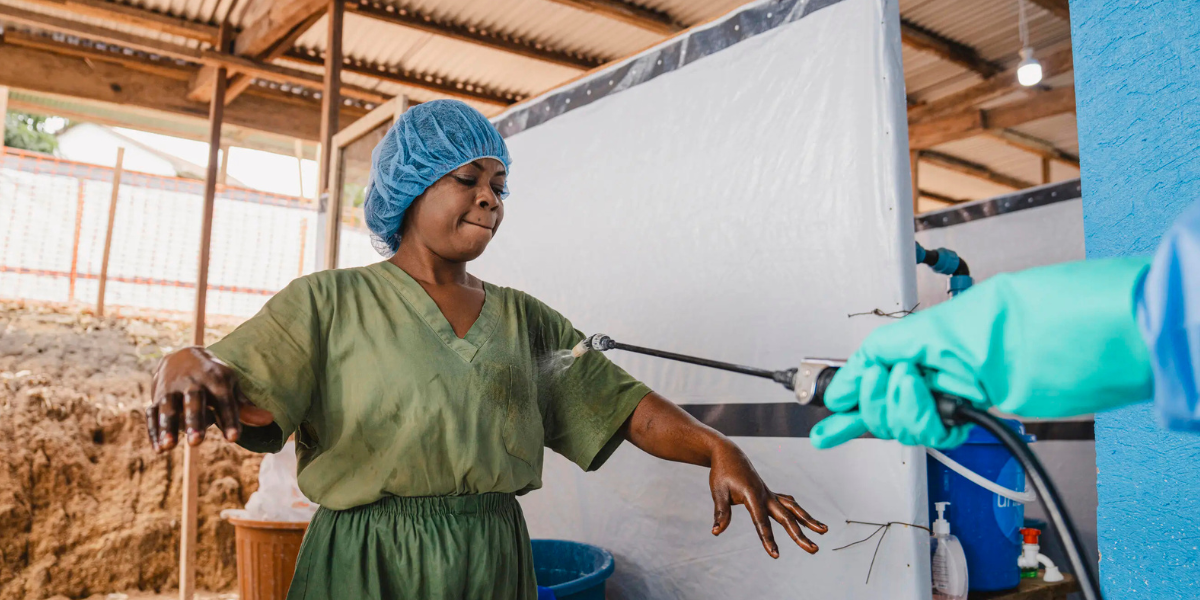
The World Health Organization says insecurity, mass displacement and the lack of an approved vaccine or treatment continue to hamper response efforts. Despite the challenges, health teams have managed to prevent further transmission in some communities through aggressive contact tracing and public awareness campaigns.
UN Warns Hunger Crisis Persists Across Africa
A new United Nations report has identified Africa as the world's most severe hunger hotspot, even as global hunger declined for the third consecutive year in 2025.
According to The State of Food Security and Nutrition in the World 2026, nearly two-thirds of Africans cannot afford a healthy diet, while more than half of the continent's population experiences moderate or severe food insecurity.
The report warns that conflict, climate change and shrinking humanitarian funding continue to threaten progress towards ending hunger by 2030.
Ghana's Illegal Mining Conviction Divides Opinion
In Ghana, the conviction of Ashanti Regional New Patriotic Party chairman Bernard Antwi Boasiako, popularly known as Chairman Wontumi, has triggered fierce political debate.
Boasiako was sentenced to 20 years with hard labour after being found guilty of offences linked to illegal mining involving his company, Akonta Mining.
The opposition NPP has described the ruling as politically motivated and says it will appeal, while environmental groups have welcomed the judgment as a major step in the country's campaign against illegal mining.
Senegal Backs Macky Sall for Top UN Role
Senegalese President Bassirou Diomaye Faye has officially endorsed former President Macky Sall's bid to become the next United Nations Secretary-General.
The move marks a remarkable shift after years of political rivalry between the two leaders. Faye described the campaign as "Senegal's candidacy in the service of Africa," although the decision has drawn criticism from opposition figures and civil society groups who question Sall's human rights record while in office.
Nigerian Police Officers Face Disciplinary Action
Four police officers in Abuja are under investigation after allegedly operating an illegal checkpoint where motorists were extorted.
The case came to light after Musa Aliyu, chairman of the Independent Corrupt Practices and Other Related Offences Commission (ICPC), reported that he was forced to withdraw cash from an ATM after encountering the officers.
Authorities say the officers have been arrested and disciplinary proceedings are underway.
144 Migrants Dead or Missing Off Mauritania
The United Nations refugee agency says at least 144 migrants are dead or missing following several maritime incidents off the coast of Mauritania.
Many of those onboard had spent nearly a month at sea after leaving The Gambia in an attempt to reach Spain's Canary Islands.
The UN Refugee Agency (UNHCR) has renewed calls for governments to expand safe and legal migration routes, warning that desperate families continue to risk dangerous sea journeys in search of safety and opportunity.