Critics Split as ‘Five Nights at Freddy’s 2’ Balances Comedy, Chaos and Animatronic Mayhem
Five Nights at Freddy’s 2 sparks sharply divided reviews, with some critics praising its looser, fun tone and others condemning its crude execution. Here’s how the sequel reshapes the video-game movie landscape.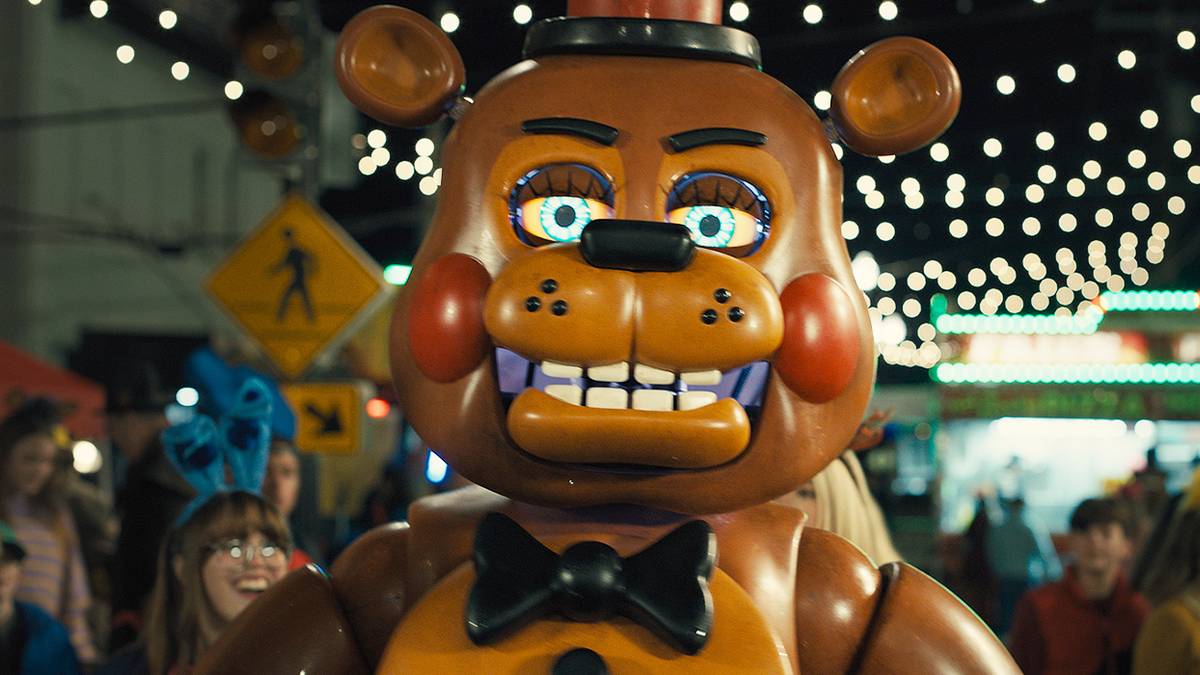
The wave of video-game adaptations dominating the 2020s continues to reshape Hollywood, with animation successes like Arcane and Castlevania and prestige dramas such as The Last of Us and Fallout raising industry expectations. Even as debates over cinematic quality persist, the commercial wins keep multiplying, from the Sonic the Hedgehog franchise to massive earners like The Super Mario Bros. Movie and the highly anticipated Minecraft Movie featured on IGN.
Amid these blockbuster properties, Five Nights at Freddy’s stands out for its grassroots rise — an indie title that exploded through viral YouTube fame and an intensely loyal young fanbase. Blumhouse, known for its horror pedigree, adapted the game in 2023; although panned by many critics, the film achieved standout success on platforms like Peacock and climbed into the ranks of top-grossing video-game films, as reported by Variety.
The sequel, Five Nights at Freddy’s 2, expands on that momentum with a bigger budget, broader cast, and more ambitious practical effects. Picking up soon after the first film, it follows security guard Mike Schmidt (Josh Hutcherson), his sister Abby (Piper Rubio), and their ally Vanessa (Elizabeth Lail) as they attempt to rebuild their lives, only to be pulled back into uncovering the origins of William Afton’s twisted legacy at the original Freddy Fazbear’s Pizzeria.
One of the first film’s defining traits was its elaborate practical animatronics — a visual triumph that paradoxically weakened the horror experience due to their bulky, slow-moving design. Critics note that this duality persists in the sequel: while the puppets and costumes remain impressively faithful to the source material, their physicality makes stealthy horror difficult. Dialogue weaknesses also return, with Mike and Vanessa criticized as generic leads, although supporting actors like Megan Fox, Matthew Patrick, and Wayne Knight — celebrated as a nostalgic ’90s icon — deliver more memorable moments.
Despite these familiar flaws, the sequel is widely regarded as a meaningful improvement. It abandons the gloomy tone of its predecessor for something more self-aware, leaning on loud jump scares, playful humor, and a villain crafted with far more unnerving presence through practical effects. The film embraces the series’ inherent absurdity, resulting in a looser, more entertaining pace that resonates strongly with the franchise’s dedicated fans.
Yet the divide among critics remains sharp. Some reviewers call the film “astonishingly clunky,” describing its animatronic threats as more amusing than terrifying and dismissing director Emma Tammi’s depiction of violence as tame, pointing to its PG-13 aim at younger audiences. Others criticize the narrative’s tangled mythology — including a pre-1982 sequence explaining Charlotte’s death and spirit fusion with the Marionette — as unwieldy universe-building that detracts from momentum. Inconsistencies, such as the film’s strange logic around prototype animatronics being weaker than polished models, further deepen the skepticism.
Ultimately, Five Nights at Freddy’s 2 does not reinvent the genre nor dramatically outperform the original in the way a sequel like Annabelle: Creation once did. Instead, it delivers a competent genre upgrade: a louder, sillier, more fan-focused experience that leans into its identity as a “robot slasher” rather than a conventional horror film. With box-office expectations projected to hit $60 million in opening week, the franchise seems poised for a third installment — reinforcing a simple industry truth: when it comes to game adaptations, serving the fans matters more than satisfying critics.