Controversial WWII Film 'Rays and Shadows' Ignites National Fury in France!
Xavier Giannoli's "Rays and Shadows" has sparked a fierce national culture war in France, decades after "Lacombe Lucien" first tackled Nazi collaboration. The Gaumont-produced film, depicting the moral compromises of French high society during WWII, has achieved significant box office success while simultaneously drawing polarizing criticism and passionate defense regarding its historical portrayal and nuanced approach to a taboo subject.
About 50 years after Lacombe, Lucien explored France’s past with Nazi collaboration, Gaumont is back in the spotlight with a new controversial film.
Directed by Xavier Giannoli, “Rays and Shadows” tells the story of French collaboration during World War II.
Even though it’s long and serious, the film has attracted over 620,000 viewers in just weeks.
At the same time, it has sparked strong debates in the media, making it both popular and controversial.
“Rays and Shadows” tells the story of Jean Luchaire, a 1930s pacifist turned Nazi propagandist, played by Jean Dujardin.
The film shows his rise and fall, alongside his daughter Corinne, a young actress who follows him into collaboration and loses her rights.
It explores moral compromises in French high society, focusing on personal struggles rather than graphic violence.
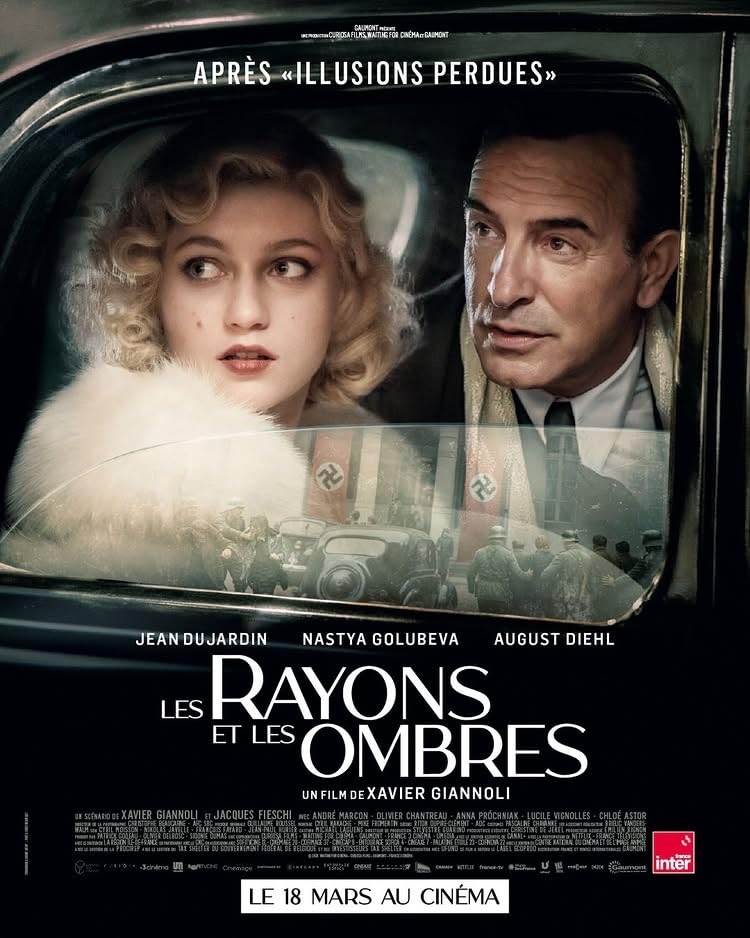
Dujardin’s performance and the film’s attention to detail bring this dark chapter to life.
Rays and Shadows has divided critics.
Some say Giannoli humanizes Nazi collaborators too much, making them seem like opportunists rather than true villains. Luc Chessel called it “a disheartening biopic about the lives of scum” and accused the film of “historical gaslighting.”
Historian Bénédicte Vergez-Chaignon criticized its inaccuracies, like showing Luchaire arrested by the Resistance instead of American soldiers, which she says unfairly tarnishes the Resistance.
Others defend the film. Léonard Haddad praised its immersive style and said it lets viewers judge the characters for themselves.
Right-wing columnist Eugénie Bastié also approved, noting it shows how weakness, greed, and ambition can lead ordinary people into collaboration, avoiding a simple “good vs. evil” story.
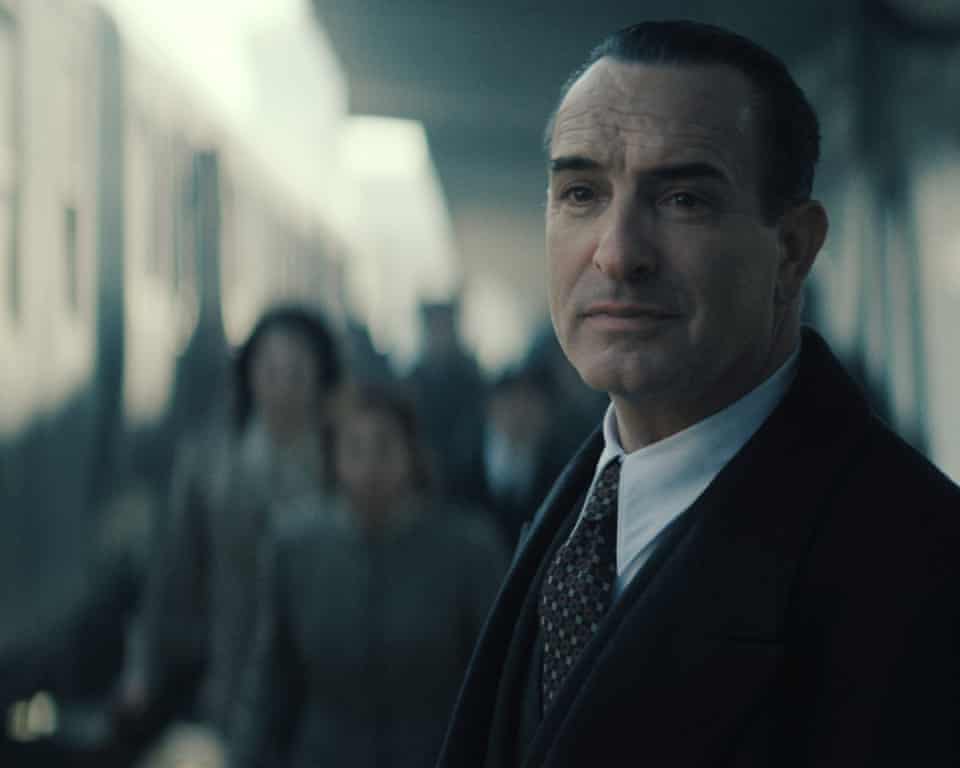
The controversy around Rays and Shadows grew when director Giannoli brought politics into the discussion.
On French TV and radio, he compared antisemitism in 1940s figures like Luchaire and Abetz to trends he sees in today’s radical left party, La France Insoumise, criticizing its leader Jean-Luc Mélenchon.
He defended the film, saying he approached it “not as a historian, but as a filmmaker,” though he did consult historians.
Three of those historians, Yves Pourcher, Barbara Lambauer, and Cédric Méletta, backed him in Le Nouvel Obs, saying he used their research well and crafted a story that draws viewers into the tragedy of occupied France.
Produced by Olivier Delbosc, the film is one of the most debated French movies of the year.
It may not be a box office hit, but it has lasting value in libraries and streaming.

It also continues a recent trend in French cinema revisiting wartime history, alongside films like The Children of the Resistance and upcoming projects about De Gaulle and Resistance hero Jean Moulin.