Congress on the Brink: Treasury Secretary & Ripple CEO Unite for Landmark Crypto Bill Push

Published 13 hours ago3 minute read
David Isong
David Isong
Congress on the Brink: Treasury Secretary & Ripple CEO Unite for Landmark Crypto Bill Push

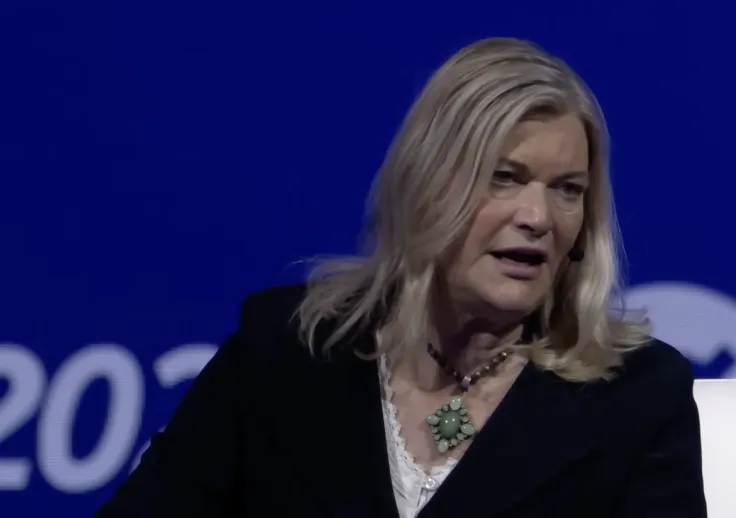
The high-stakes legislative battle over the future of cryptocurrency regulation in the United States has reached a critical inflection point, with urgent calls for Congress to pass the Digital Asset Market Clarity Act. Senator Cynthia Lummis issued a stark warning, stating, "This is our last chance to pass the Clarity Act until at least 2030," emphasizing the risk of surrendering America’s financial future to a multi-year regulatory freeze. This sentiment is echoed by key government and industry leaders who believe immediate action is paramount for establishing a clear framework for digital assets.

U.S. Treasury Secretary Scott Bessent has been a prominent voice in this push, urging the Senate Banking Committee to expedite the legislation to the President's desk. In an op-ed published in The Wall Street Journal, Bessent declared the Clarity Act an "absolute national security priority," stressing that Congress has spent half a decade trying to establish a framework to "onshore the future of finance." He highlighted the scarcity of "Senate time" and the immediate need to act to prevent the exodus of developers to offshore hubs like Singapore and Abu Dhabi. Bessent warned that without clarity, the broader crypto market remains clouded by regulatory uncertainty and overlapping agency claims. His urgent plea has garnered significant support from industry figures, including Coinbase CEO Brian Armstrong and Ripple CEO Brad Garlinghouse. Armstrong posted his agreement, thanking Bessent and acknowledging the bipartisan work on the bill. Garlinghouse pragmatically championed "Progress > Perfection," noting that while Ripple's XRP is already recognized as a non-security commodity, the fortunes of Ripple are intertwined with the broader crypto industry. He reiterated his long-held belief that "clarity is better than chaos" and expressed optimism, predicting an 80% probability that the Clarity Act will pass by the end of April.

The Clarity Act is designed to address crucial aspects of digital asset regulation. It seeks to provide a definitive framework for determining when a digital asset is a security (or not), create a workable registration pathway for trading platforms, and implement vital safeguards for investors. Bessent argued that the Act is the "necessary next step" to fully realize the promise of the stablecoin-focused GENIUS Act, which has already been passed but left the broader regulatory environment "disastrously unclear."

Efforts to push the bill forward have also involved addressing key concerns and potential roadblocks. White House crypto advisor Patrick Witt cautioned against attempts to block the bill over regulatory concessions, such as stablecoin rewards. Witt warned that obstructing the current bipartisan compromise could leave the entire digital asset sector vulnerable to a much harsher regulatory crackdown by a future administration hostile to decentralized finance (DeFi), developer protections, and the classification of digital commodities. Furthermore, traditional financial institutions had previously feared that allowing crypto platforms to offer competitive yields on stablecoins would trigger significant "deposit flight" from traditional bank lending. However, a newly released report by the Council of Economic Advisers (CEA) has allayed these fears, concluding that prohibiting stablecoin yields "would do very little to protect bank lending, while forgoing the consumer benefits of competitive returns."

With these obstacles being addressed, the Clarity Act appears to be hurdling toward the finish line with substantial bipartisan momentum. Representative French Hill recently described the legislation as "unstoppable," confirming support from key Democratic leaders. Lawmakers are currently racing to push the bill through either during the lame-duck session or early next year. Coinbase Chief Legal Officer Paul Grewal has also expressed optimism, stating that the parties are now "very close to a deal," signaling a potential resolution to the bitter legislative standoff and a significant step toward establishing a clear regulatory future for digital assets in the U.S.

Loading...
Loading...

You may also like...