Cinematic Revolution: Despelote Redefines Documentary Storytelling!
Despelote, the groundbreaking Ecuadorian soccer game, blends documentary, fiction, and interactive storytelling to create a unique narrative experience, capturing the 2002 World Cup qualifiers through the eyes of young Julián Cordero.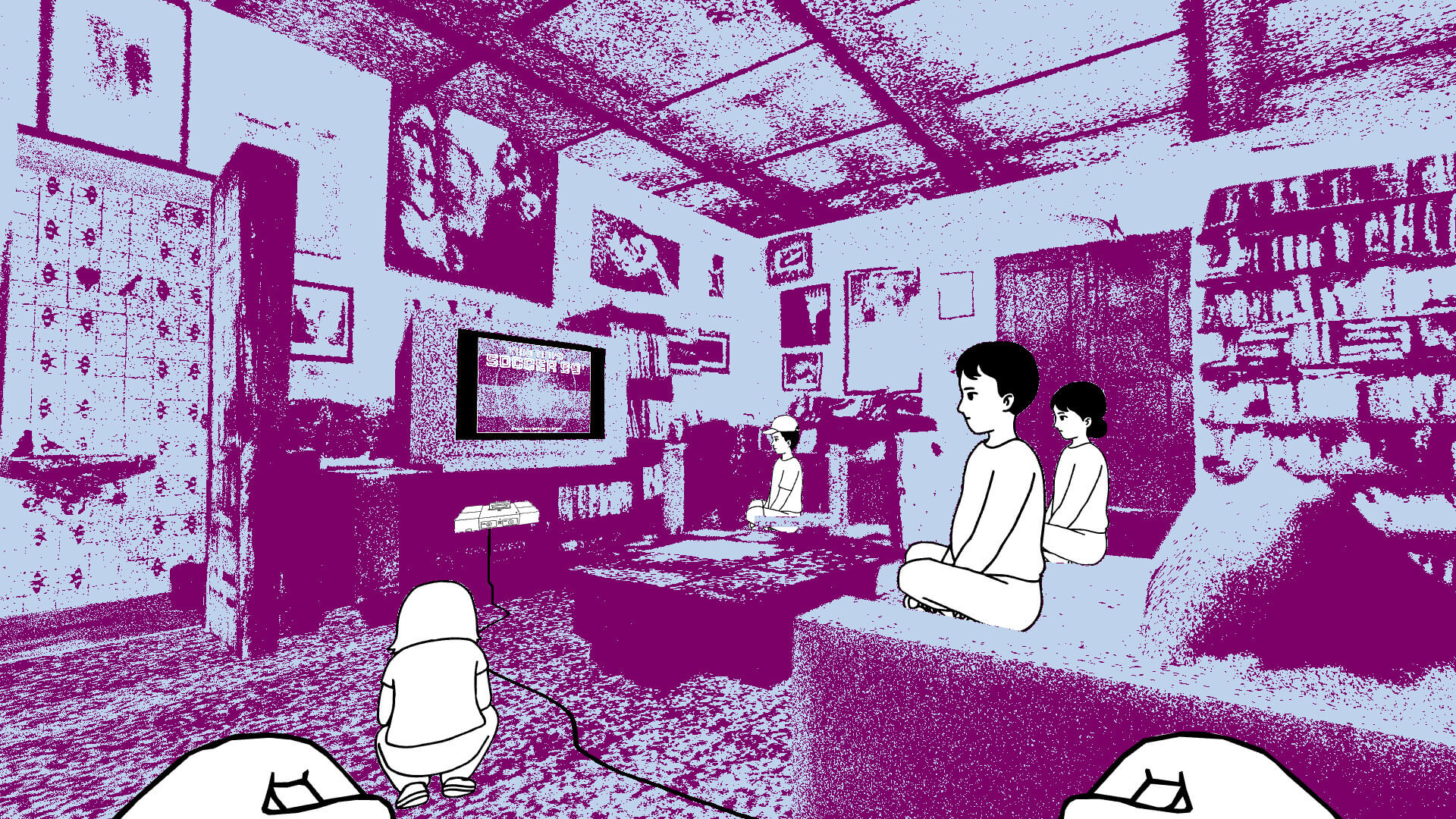
Among the high-profile video game releases of 2025—from the expansive Death Stranding 2 to the action-packed Donkey Kong Bonanza and the mesmerizing turn-based RPG Clair Obscur—one title has captured attention not for spectacle, but for its intimate, grounded approach: Despelote. Branded as “a soccer game about people,” the game breaks convention, prioritizing emotional resonance over bombastic gameplay.
Developed by Julián Cordero and Sebastian Valbuena, Despelote immerses players in a deeply personal narrative set in Quito, Ecuador, during the country’s remarkable "Cinderella run" in the 2002 World Cup qualifiers. Players experience the story through the eyes of young Julián, exploring digitally reconstructed neighborhoods and evocative, dreamlike memories. Narrative overlays provide historical context, connecting Ecuador’s national team journey to the intimate, everyday world of its protagonist.
Unlike traditional soccer games with rigid objectives, Despelote encourages players to explore and absorb ambient storytelling. Gameplay centers on wandering through vignettes, overhearing conversations about everything from DVDs at the local rental store to impromptu ball games in Quito’s streets. The loosely connected scenes occasionally leap forward in Cordero’s life, only to return to the pivotal year of 2002, reinforcing the game’s autobiographical scope.
Operating as a digital autobiography, Despelote skillfully juxtaposes candid past moments with surreal daydreams. One scene might depict family tensions before a wedding, while the next showers the player with raining soccer balls. These shifts in tone never feel disjointed; instead, they underscore a unifying force: the communal and deeply emotional impact of soccer. Fans passionately discuss player stats, newcomers learn the national team roster, and every child, including Julián, dribbles a ball, reflecting Ecuador’s collective excitement.
Adding further depth, the game’s narration contextualizes socio-political realities of the era, including the country’s recent currency crash, highlighting how soccer provided hope during turbulent times. This blend of historical context and everyday life allows players to grasp how a national sport can unify communities and offer solace in uncertainty.
Despelote’s most innovative element lies in its hybrid format, seamlessly merging documented facts, imaginative flights of fancy, and interactive historical recreation. It functions simultaneously as a documentary, fiction, and video game. Unlike Digital Eclipse’s Gold Master Series, which leans toward conventional interactive documentaries, Despelote carves out a distinct niche, offering a deeply personal and experimental narrative experience that blurs the line between gaming and cinematic storytelling.