Cinema Shocker! Lost Masterpiece Rediscovered in Janitor's Closet After 5 Decades!
<i>The Passion of Joan of Arc</i>, a cinematic treasure, features Renée Jeanne Falconetti's unforgettable performance as the titular saint. This article explores the silent film's tumultuous production, its repeated destruction and miraculous rediscovery, and the enduring power of Falconetti's iconic portrayal.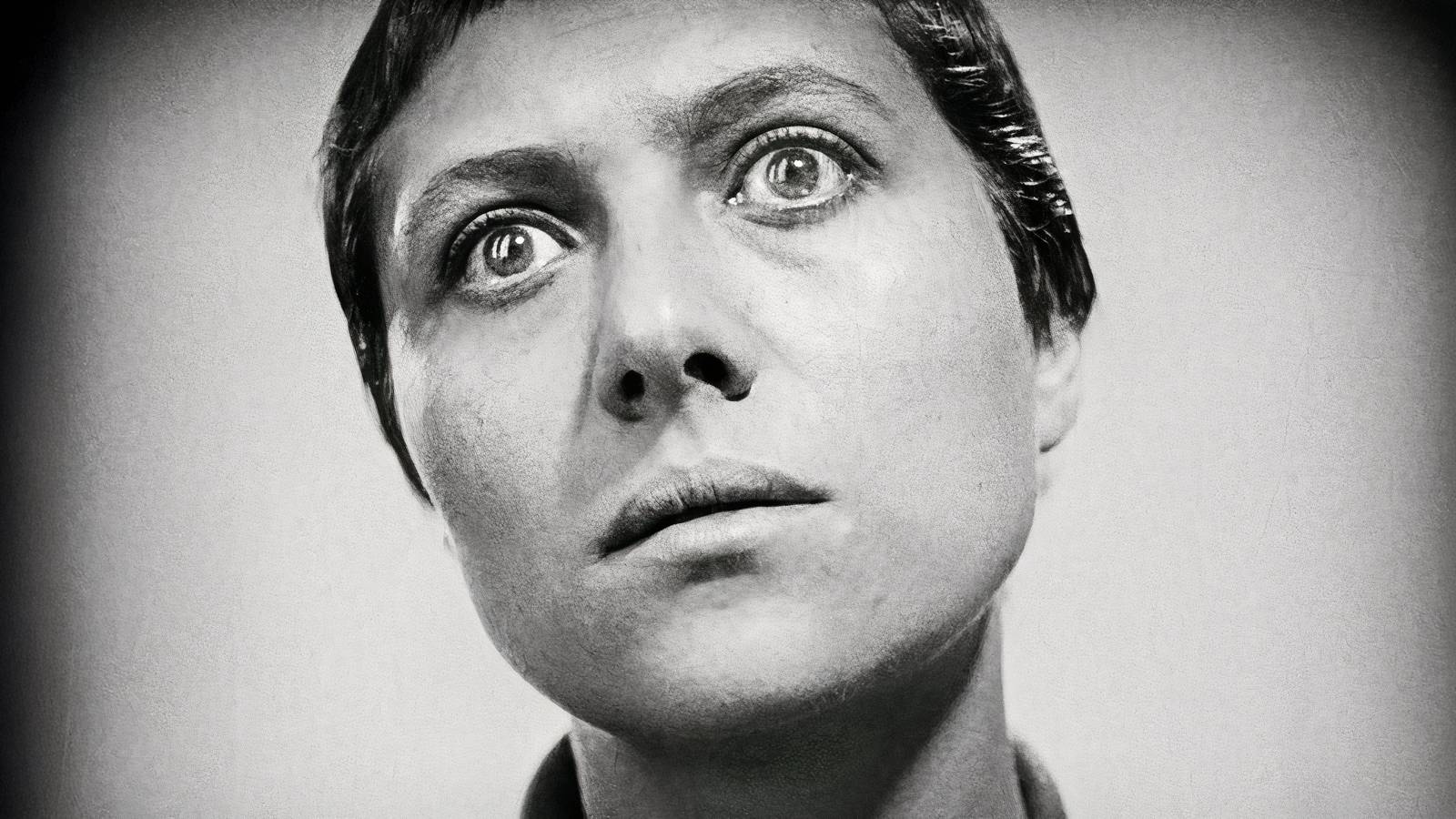
Hollywood's silent era films possess an undeniable beauty and unique artistry that "talkies" have been unable to replicate. Without the reliance on spoken dialogue, actors in these films conveyed emotions and narratives through exaggerated actions and expressions, creating a transfixing experience for audiences. This era is made even more remarkable by the fact that approximately 75% of its cinematic output is now lost, leading to questions about the epic performances that have been denied to modern viewers. Fortunately, one of the greatest film performances of this period, and indeed of all time, was among the 25% that survived, thanks to a serendipitous discovery in 1981.
This iconic performance, Renée Jeanne Falconetti's only major film role, is found in Carl Theodor Dreyer's 1928 masterpiece, The Passion of Joan of Arc. While it's not entirely accurate to label it a truly "lost" film, as versions existed since its Copenhagen premiere on April 21, 1928, Dreyer's original cut was indeed lost, and its eventual rediscovery is widely regarded as a cinematic miracle.
The film's journey to the screen was fraught with challenges. French production company Société Générale de Films invited Dreyer to direct a film in 1926, eventually settling on Jeanne d'Arc, whose sainthood had only been declared in 1920. However, Dreyer, being Danish, faced opposition from French nationalists who deemed his selection inappropriate, causing delays to the French premiere. Further complications arose from the Archbishop of Paris, who demanded several cuts, and subsequent government censors who excised even more content. When the film finally reached Parisian theaters in October 1928, tragedy struck again on December 6th of the same year: a fire at Berlin's Ufa studio labs destroyed the original negative.
Undeterred, Dreyer used existing outtakes to create a second version, crafting a new negative that closely adhered to his initial vision. Yet, in 1929, another fire, this time at the G.M. de Boulogne-Billancourt labs, destroyed this second negative. For decades, the closest available version was one found in 1951 by French film historian Joseph-Marie Lo Duca, who, regrettably, took liberties by replacing intertitles with subtitles and adding text to images of stained-glass windows and church pews. This version was a significant departure from Dreyer's original artistic intent, serving as an "abomination" for thirty years.
The true miracle occurred in 1981 when a janitor, clearing out a closet in a Norwegian mental institution, discovered several film canisters. These were forwarded to the Norwegian Film Institute, where one of them was identified as the original, uncut version of The Passion of Joan of Arc. It was immediately preserved, and new negatives were created. Finally, in 2015, one of these negatives was scanned, leading to a fully restored Digital Cinema Package, allowing Dreyer's complete, uncompromised vision to be experienced in its full glory (as per Janus Films).
The Passion of Joan of Arc meticulously recounts the trial and execution of Joan of Arc, drawing directly from actual trial records. Dreyer's extensive research, conducted with historian Pierre Champion, aimed to capture not just the words but the entire historical context, including the trial's dynamics, Joan's demeanor, and period costuming. From a filmmaking perspective, the movie is groundbreaking. Dreyer pioneered the use of extreme close-ups, fostering an intense emotional connection with Joan and humanizing a historical event rather than merely recounting it. His masterful use of angles and framing, such as judges often looking upwards as they delivered accusations, further amplified the film's impact.
However, the film's enduring acclaim primarily stems from Renée Jeanne Falconetti's extraordinary performance. At 35, Falconetti brilliantly portrayed the 19-year-old Joan. Her eyes, in particular, conveyed a spectrum of emotions: clear with faith in God, fiery against false accusations, sparkling with wit, and brimming with tears during moments of profound distress. She captured a woman resolute in her calling yet betrayed by the fear inherent in her youth. A poignant scene shows her horrified reaction as her hair is shaved, symbolizing the stripping away of her last vestiges of humanity.
Falconetti's portrayal also includes gut-wrenching moments, such as when she mirrors the look of Christ in traditional portraits, suffering mockery and derision, as she endures similar indignities from the guards. One of the most powerful shots captures a quick smirk from Falconetti's Joan as she observes her words landing on the judges, whose close-up expressions appear as evil and foreboding as they likely felt. This fleeting moment encapsulates Joan's unwavering fighting spirit amidst her torturous trial. Thanks to the diligent cleaning crew at Dikemark sykehus near Oslo, audiences are privileged to witness this seminal performance in all its splendor, nearly a century after its creation.