Carbon Is Breaking Records: The CO₂ Surge That Should Terrify Us
Global CO₂ levels have hit record highs, marking the fastest annual rise in history. From wildfires to floods, this piece explores the science, politics, and human cost of a planet gasping for air.
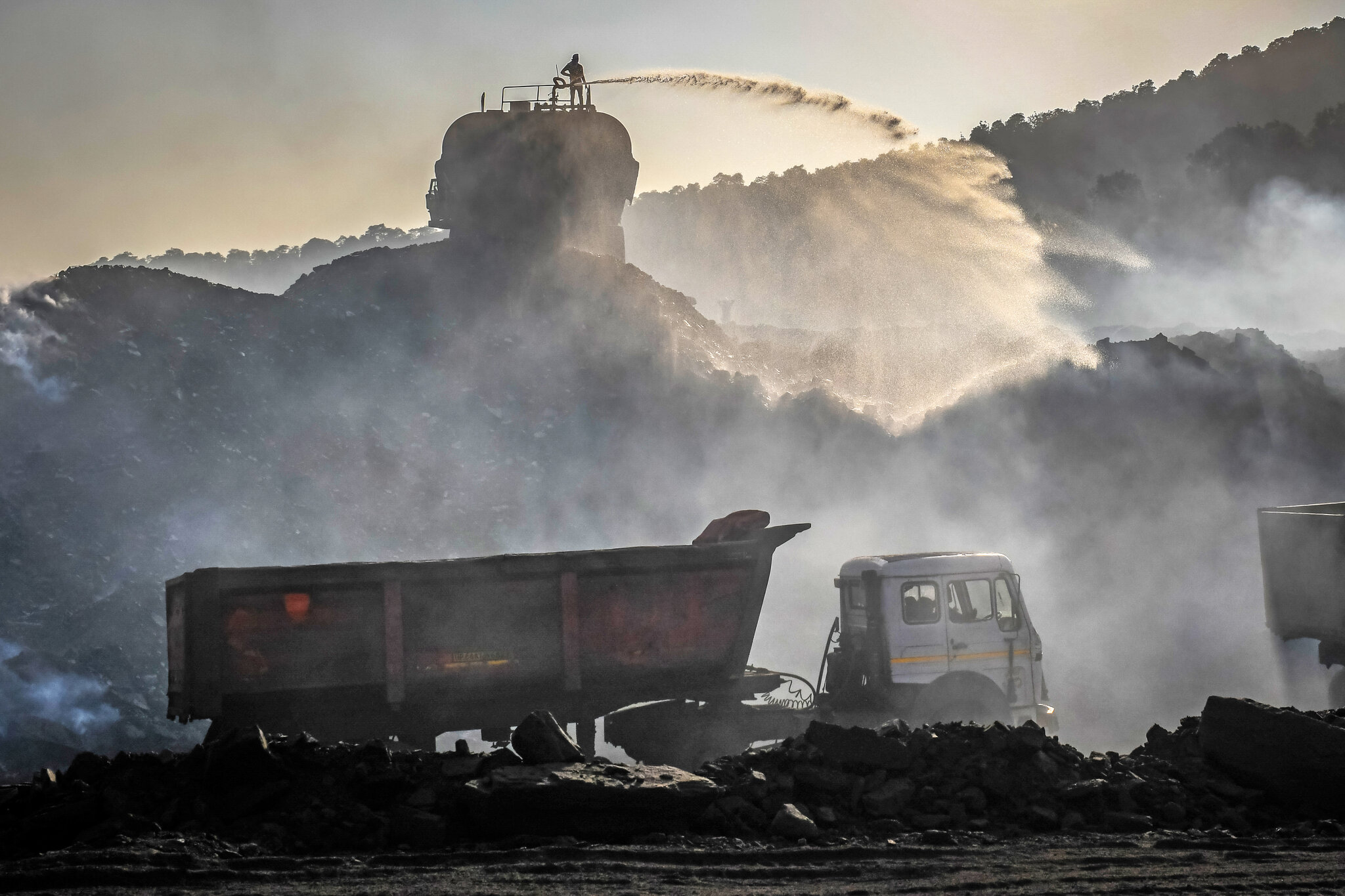
In late 2024, the World Meteorological Organization (WMO) dropped a bombshell few people seemed to notice: carbon dioxide (CO₂) levels in Earth’s atmosphere had jumped by nearly 3 parts per million, the largest annual increase since records began.
For scientists, this was a warning flare in the dark.
The year 2025 has since been declared one of the hottest in modern history. Across continents, wildfires have raged longer, glaciers have melted faster, and heatwaves have become both more frequent and more fatal. Yet beneath all this chaos, one invisible villain continues to thicken the air: carbon dioxide, the gas that traps heat, warms oceans, and redefines life itself.
The planet, it seems, is running a fever and it is not coming down anytime soon.
The Numbers Don’t Lie
According to the WMO’s Greenhouse Gas Bulletin (2024), the global average concentration of CO₂ reached 424 parts per million (ppm), surpassing pre-industrial levels by more than 50%.
To put that into perspective: the last time Earth’s atmosphere held this much carbon was over 3 million years ago, when sea levels were about 20 meters higher. Human civilization did not even exist then.
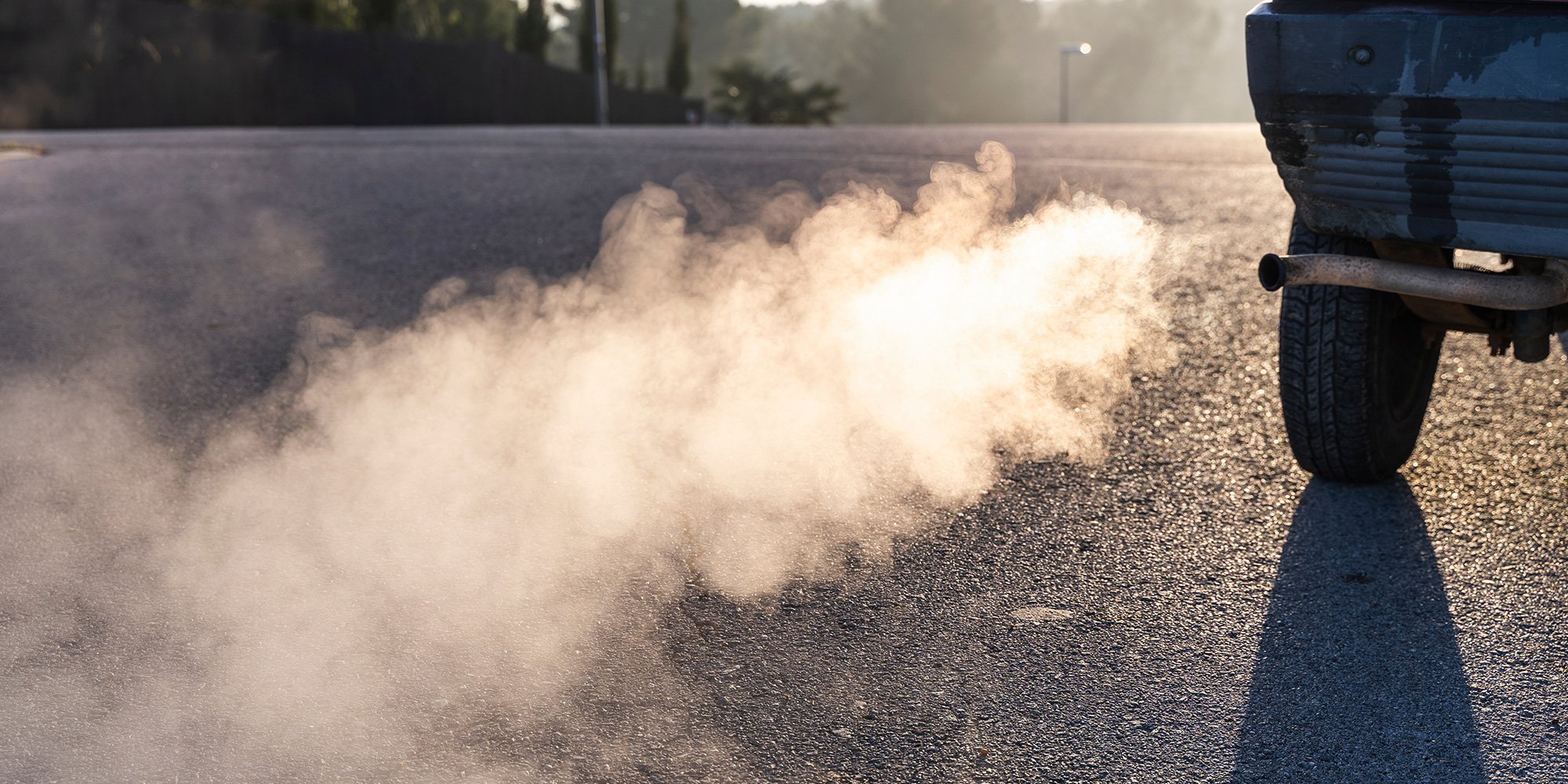
Today, we are adding roughly 40 billion tonnes of CO₂ to the atmosphere every year, mostly from burning coal, oil, and gas. About half of that stays aloft for centuries, while the rest is absorbed by forests and oceans, which are now struggling to keep up.
In 2024, both the Amazon and parts of the Congo Basin, long considered the “lungs of the planet”, showed signs of becoming net carbon emitters, releasing more CO₂ than they absorb due to deforestation and drought.
It is as if the Earth’s natural defenses are finally collapsing under the weight of our own emissions.
The Feedback Loop of Doom
Here is where it gets even scarier. The more the planet warms, the less effective nature becomes at storing carbon.
When forests burn, they release stored carbon. When permafrost melts in the Arctic, it releases methane, a greenhouse gas far more potent than CO₂. When oceans heat up, they lose their ability to absorb carbon efficiently.
Climate scientists call it a feedback loop, but it is really more like a trap we built ourselves.
Each effect worsens the next, turning global warming from a slow problem into a runaway chain reaction.
A 2025 Nature Climate Change study warns that feedbacks like these could amplify warming by up to 25% more than scientists previously thought. And this means even if we stopped emitting today, the planet would still keep heating for decades.
We are not just feeding the fire, we are locking ourselves inside the furnace.

Why CO₂ Keeps Rising Despite the Warnings
It is not that the world doesn’t know better, it is that the world won’t change fast enough.
1. Fossil Fuels Are Still King
Despite billions poured into renewables, fossil fuels still account for over 80% of global energy. Every new coal plant, every pipeline expansion, every “drill baby drill” campaign locks us deeper into dependence.
Even the so-called “green” economies, the U.S., China, and the EU, are quietly approving new oil projects under the banner of “energy security.”
2. Growth at All Costs
Every government loves the sound of economic growth. But growth, as we have designed it, burns carbon. Factories, transport, electricity, all of it runs on fossil fuels. Until growth stops meaning “consume more,” carbon will keep climbing.
3. Political Paralysis
At COP29 in Baku, world leaders failed again to agree on a clear fossil fuel phase-out. The final declaration watered “phase out” down to “transition away”, a phrase so vague it means nothing.
Behind the podiums, oil companies kept sponsoring the panels. Behind the smiles, the lobbyists won again.
The Human Face of Invisible Carbon
We often talk about CO₂ as numbers, 424 ppm, 40 billion tonnes, but every molecule translates to something painfully real.
In Nigeria, floods swallowed parts of Niger and Kogi States in early 2025, killing hundreds and displacing thousands. In India, cities hit 52°C, with people collapsing on the streets. In California and Greece, wildfires turned skies blood-orange.
Carbon is invisible, but it has fingerprints on every storm, every lost home, every empty farm.
And the cruel part? Those suffering most emitted the least. Africa contributes under 4% of global emissions, yet faces the most brutal fallout: droughts, famine, and rising seas.
The Mirage of Technology
The world is pinning its hopes on technology, carbon capture, geoengineering, direct air removal. Fancy words for “let’s clean the air later.”
But the numbers don’t add up. All the carbon capture facilities on Earth combined remove less than 0.1% of annual emissions. It is like trying to drain a flooding house with a teacup.
Meanwhile, fossil fuel subsidies hit $1.5 trillion in 2024. That is money that could have built solar farms across Africa, powered rural schools, or saved sinking islands.
Instead, it props up an addiction we cannot seem to quit.
Carbon and the Politics of Inequality
Climate change is not just about weather, it is about power.
Rich nations built their empires by burning coal and oil, now they tell poorer nations to “go green,” often without the financial support to do it.
At the Africa Climate Summit in Addis Ababa, 2025, leaders called for fair climate finance and debt relief. In return, they got vague pledges and recycled promises.
It is climate hypocrisy at its finest: the Global North preaches sustainability while exporting emissions, outsourcing manufacturing, and blocking meaningful reform.
Meanwhile, the Global South drowns, literally and financially.
Signs of Hope
It is not all smoke and despair. The green transition is happening, unevenly, yes, but undeniably. Renewable investments hit $1.8 trillion globally in 2024, surpassing fossil fuels for the first time.
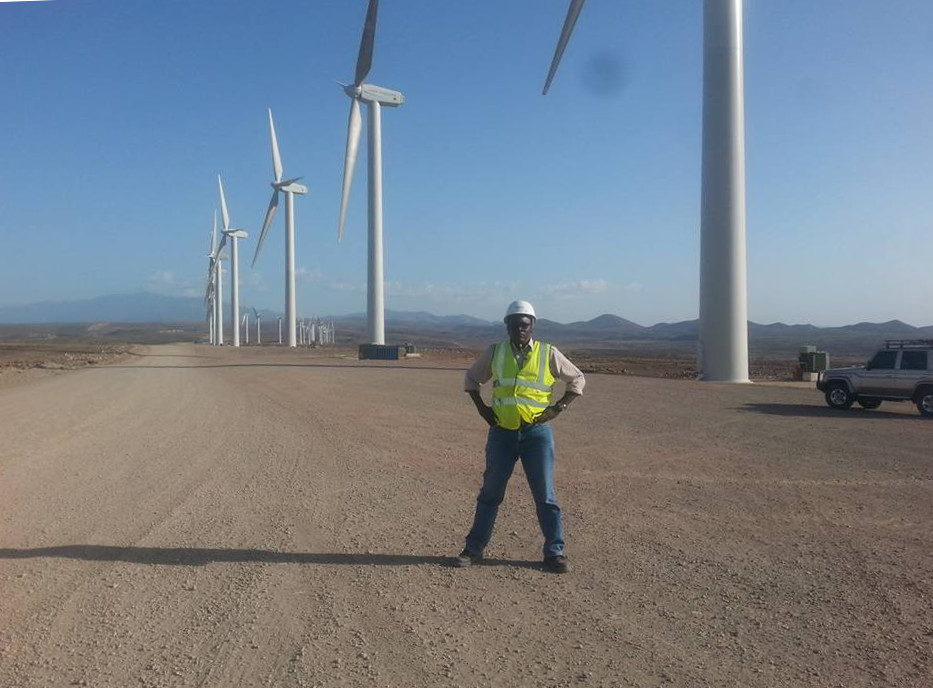
Kenya’s Lake Turkana Wind Projectnow powers nearly 20% of the country. Nigerian startups like Arnergyand Rensource are bringing solar energy to homes once stuck in darkness. China, the world’s biggest polluter, doubled its solar capacity in one year.
And perhaps most powerfully, young people are not giving up.
Across continents, students, journalists, and activists are demanding accountability. They are marching, litigating, educating, and refusing to let the story end with their silence.
What Needs to Happen Now
To cool a fever, you stop feeding the fire. The same rule applies here.
To stand a chance of stabilizing the planet:
1. Cut global emissions by half by 2030.
2. End all new fossil fuel exploration.
3. Triple renewable capacity within five years.
4. Redirect fossil subsidies toward adaptation and resilience.
5. Make climate finance real, not rhetorical.
This is mathematics and we are running out of numbers and time.
The Air Remembers Everything
The cruel poetry of carbon is permanence. A single CO₂ molecule can linger in the atmosphere for hundreds of years. Every breath we take today carries traces of the Industrial Revolution, of old factories and burnt forests.
But there is another kind of permanence, the legacy we choose to leave.
We can be the generation that looked away, or the one that pulled the planet back from the brink. Because while the air remembers everything, history will remember who tried.