Before Oxford, There Was Timbuktu
Before Oxford rose to prominence, Timbuktu stood as a thriving center of scholarship, housing vast manuscript collections and shaping global intellectual history long before Europe’s universities took form.
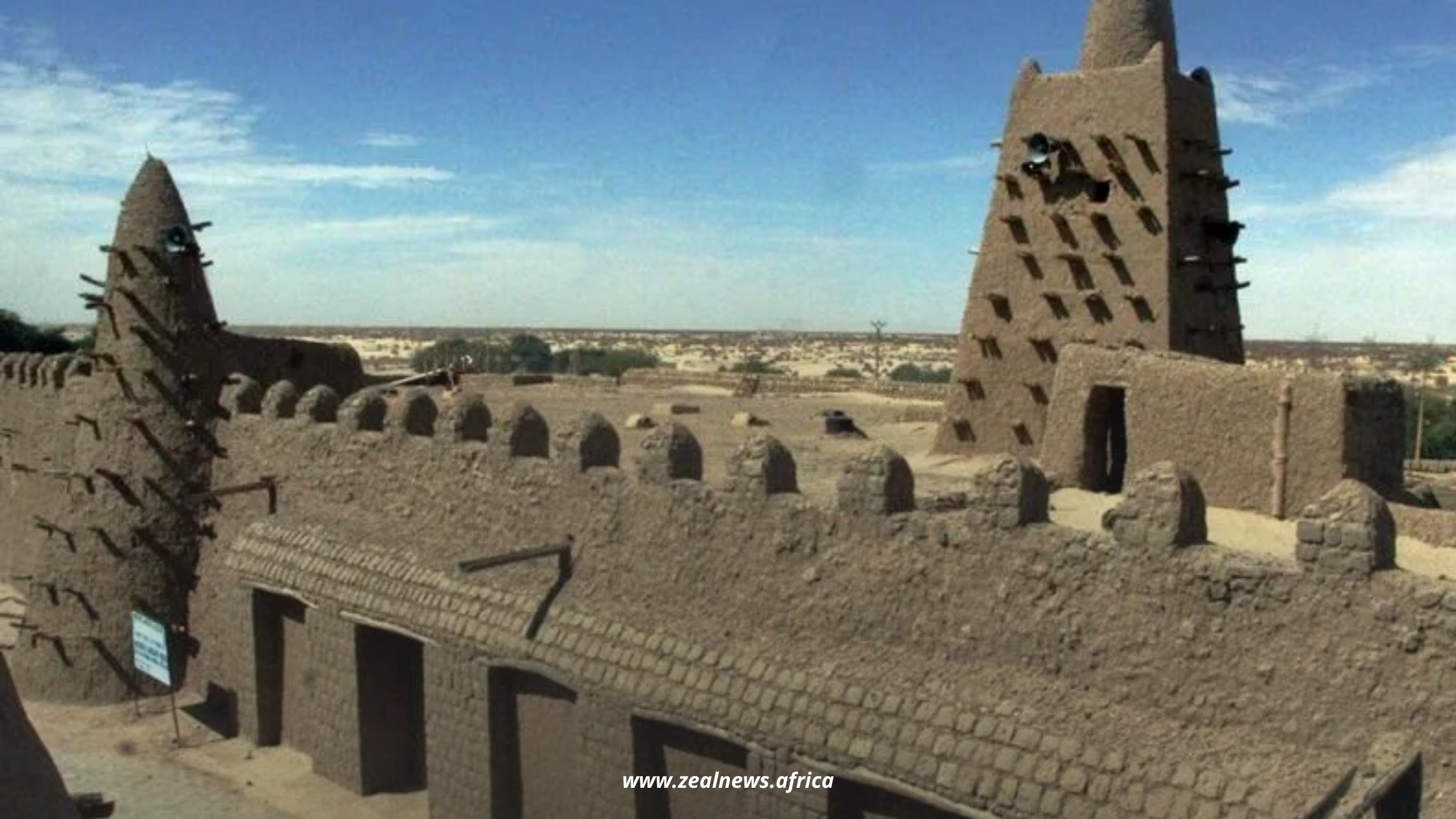
When you think of the world's oldest universities, what comes to mind? Oxford? Bologna? The University of Paris?
That is what the curriculum wants you to think. But while Europe was fumbling through its Dark Ages, burning books, burning people and calling it progress, a city in West Africa was sitting on over a million manuscripts and running one of the most advanced intellectual hubs the medieval world had ever seen.
That city was Timbuktu.
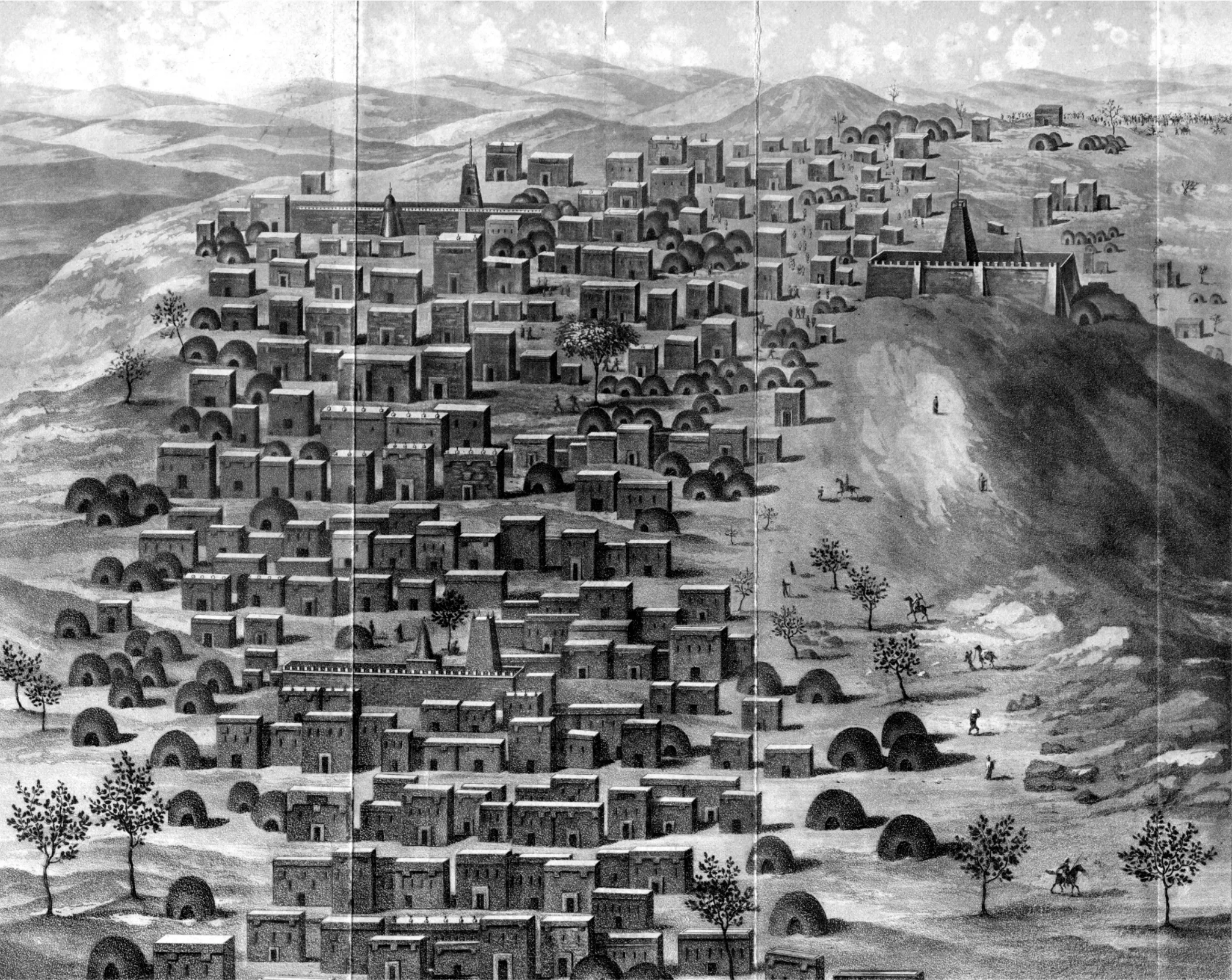
A City Built on Knowledge and Gold
By the 12th century, Timbuktu, located in present-day Mali, at the edge of the Sahara Desert, had already established itself as a major commercial crossroads.
However, what made it genuinely extraordinary wasn't just the gold and salt trade flowing through it. It was the scholarship.
At its peak under the Mali Empire and later the Songhai Empire, Timbuktu was home to roughly 180 Quranic schools and attracted scholars from across Africa, the Arab world and beyond.
The city's population sat at around 100,000 people in the 15th and 16th centuries, and a significant proportion of them were students, teachers or both.
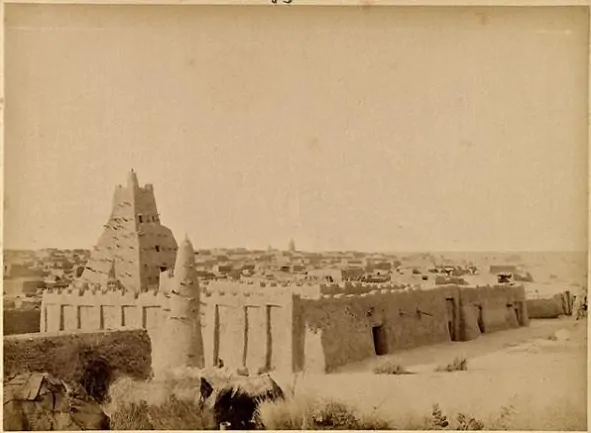
The University of Sankore, the most prominent of Timbuktu's three major universities, was operating as an institution of serious learning by the 13th century.
Oxford received its royal charter in 1248. Sankore was already there.
What Were They Actually Studying?
It is about time we killed the myth that this was just religious memorisation. The scholars of Timbuktu were working across mathematics, astronomy, medicine, law, history, philosophy and linguistics.
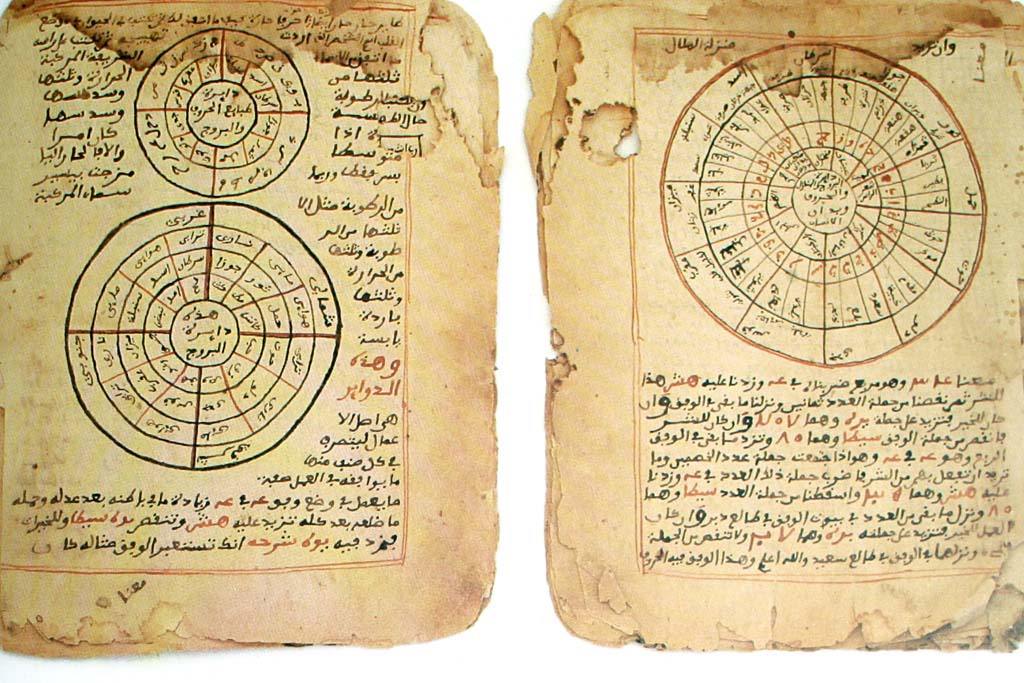
Manuscripts from the city, many of which have survived, cover topics like algebra, optics, and even early theories about the circulatory system.
At its height, Timbuktu held somewhere between 700,000 and 1 million manuscripts in private libraries, mosques and institutions.
History
Rewind the Stories that Made Africa, Africa
A Journey Through Time, Narrated with Insight.
Many of these were handwritten by scholars who treated knowledge as something literally worth preserving for generations.
Today, the Ahmed Baba Institute in Timbuktu still houses over 40,000 manuscripts, and researchers are still working to digitise and catalogue the full scope of what remains.
The city's most celebrated scholar, Ahmad ibn Muhammad ibn Ahmad al-Wansharisi, and scholars like Ahmed Baba al-Massufi, who authored over 40 books before he was kidnapped to Morocco in 1594, were producing rigorous intellectual works that were circulated, debated, and built upon.
The Colonial Erasure Was Not an Accident
So why don't we know this? Why is Timbuktu's name more often used as slang for "the middle of nowhere" than as the intellectual landmark it was?
Because erasure is not passive. When the Moroccan Saadian dynasty invaded and sacked Timbuktu in 1591, they didn't just dismantle its political structures, they also deported its scholars, including Ahmed Baba, and disrupted the intellectual infrastructure that had taken centuries to build.

Later, when European colonialism rewrote the map of Africa's history entirely, cities like Timbuktu were consciously repositioned as primitive, as backwards, as proof that Africa had contributed nothing to global civilisation.
The phrase "Black Africans don't read" came from the people who needed to believe it in order to justify what they were doing.
The Reading Was Always There
The idea that Black Africans have no literary or intellectual tradition is one of the most aggressively maintained lies in modern history.
You cannot look at a city that produced over a million manuscripts and say the people there weren't engaged in serious intellectual life. You cannot look at a culture that built entire economies around the trade of books, yes, books were sold alongside gold in Timbuktu's markets, and call it illiterate.
The scholars of Timbuktu were writing, copying and distributing knowledge at a time when European literacy rates were catastrophically low and books were largely locked inside monastery walls.
The reading was happening. The thinking was happening. The infrastructure for learning was built and maintained by Black Africans, for centuries, without waiting for anyone's validation.
Why This Matters Right Now
The history of Timbuktu is evidence that dismantles a foundational lie — the lie that intellectual civilisation moved in one direction, from West to East, from north to south, from light to dark.
That lie shaped colonialism, shaped education systems, shaped the way Black people have been asked to see themselves and their ancestors.
When you know about Timbuktu, you cannot unknow it. And that is exactly the point.
History
Rewind the Stories that Made Africa, Africa
A Journey Through Time, Narrated with Insight.
The manuscripts are still there. The legacy is still there. The only thing that was ever missing was the telling.