As Diphtheria Cases Rise in Plateau, Here's How to Spot the Symptoms and Protect Your Family
Diphtheria cases are rising in Plateau State. Learn the warning signs, when symptoms become dangerous, what to do if you suspect infection and how to protect your family.

Diphtheria is spreading through communities in Jos North, and families across Plateau State and other Nigerian states now have to treat this bacterial infection as a real, present danger.
It moves fast, it targets children and unvaccinated people first, and it can turn fatal within days if it goes unrecognised. Knowing what to look for and what to do next could be the difference between a quick recovery and a medical emergency.
What Diphtheria Is and Why It Spreads So Quickly
Diphtheria is caused by the bacterium Corynebacterium diphtheriae, which releases a toxin that damages tissue in the throat, nose, and skin.
It spreads through respiratory droplets when an infected person coughs or sneezes, and through direct contact with open sores or shared household items like cups, towels, and bedding.
In crowded homes and poorly ventilated communities, a single case can move through an entire household within days. Children who have not completed their routine immunisation schedule are especially vulnerable, along with anyone living in close quarters with an infected person.
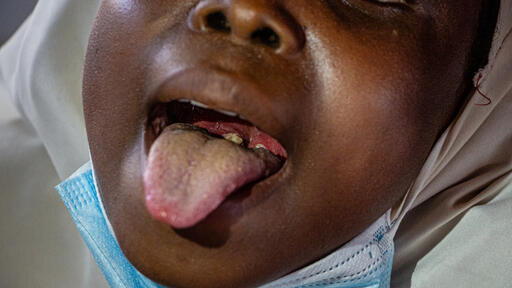
Early Diphtheria Symptoms Every Parent Should Know
Here are some symptoms to watch out for as this could easily be mistaken for common cold or tonsilitis:
A sore throat that worsens steadily instead of improving after a day or two
A mild fever paired with general weakness and fatigue
Swollen glands in the neck, which can give the neck a puffy or thickened appearance
A thick, greyish or whitish coating across the tonsils, throat, or nasal passages, which bleeds if scraped
Difficulty in breathing or swallowing, or a hoarse, barking cough
Noisy, laboured breathing that sounds different from a typical cold
Skin diphtheria, which shows up as ulcers or sores with a grey membrane, usually on exposed skin
Any child or adult showing these signs, particularly the grey throat membrane, needs medical attention immediately.
This membrane is one of the clearest warning signs of diphtheria and should never be treated at home with local remedies or over-the-counter cold medicine.
When Symptoms Turn Dangerous
Left untreated, the toxin produced by the bacteria can spread beyond the throat and attack the heart and nervous system. Warning signs that the infection has progressed include difficulty breathing that worsens rapidly, bluish skin colouring, irregular heartbeat, extreme weakness, and confusion.

These symptoms point to a medical emergency and require immediate hospital care, not a wait-and-see approach at a chemist or patent medicine store.
Actionable Measures to Take If You Suspect Diphtheria
If a family member develops a sore throat with a grey coating, swollen neck, or breathing trouble, act on these steps right away.
Go to the nearest government hospital or health centre immediately. Diphtheria antitoxin and antibiotics work best when given early, before the toxin causes lasting damage.
Isolate the sick person from other household members, especially children and the elderly, until a health worker confirms it is safe.
Avoid sharing cups, plates, towels, or bedding with anyone showing symptoms.
Report the case to local health authorities so contact tracing can begin and other exposed people can be monitored or treated.
Do not attempt to treat the sore throat with home remedies alone. Diphtheria requires antitoxin treatment that only a hospital can provide.
Keep the patient hydrated and comfortable while arranging transport to a health facility, but do not delay care while trying home treatment first.

Diphtheria Prevention: The Vaccine Is Your Strongest Defence
Vaccination remains the single most effective way to prevent diphtheria, and it is free at government health facilities across Nigeria.
Children should receive the full schedule of diphtheria-containing vaccines, typically given as part of the pentavalent vaccine in infancy, with booster doses recommended later in childhood.
Parents who are unsure of their child's vaccination status should visit the nearest primary health centre to check immunisation records and catch up on any missed doses.
Adults who were never fully vaccinated, or whose immunisation history is unclear, can also request the vaccine, particularly if they live with young children or work in healthcare or crowded settings.
Preventive Measures Beyond Vaccination
Vaccination lowers your risk significantly, but a few everyday habits could protect the household.
Wash hands frequently with soap and clean water, especially after contact with anyone who is unwell
Avoid close contact with people showing throat infections or unexplained skin sores until they have been medically cleared
Improve ventilation at home by keeping windows open where possible, since poor airflow helps respiratory infections spread
Keep living spaces and shared items clean, particularly in households with several children
Encourage neighbours and community members to check their vaccination status, since outbreaks spread fastest in under-vaccinated communities
Stay informed through official updates from the Plateau State Ministry of Health or the Nigeria Centre for Disease Control rather than relying on rumours
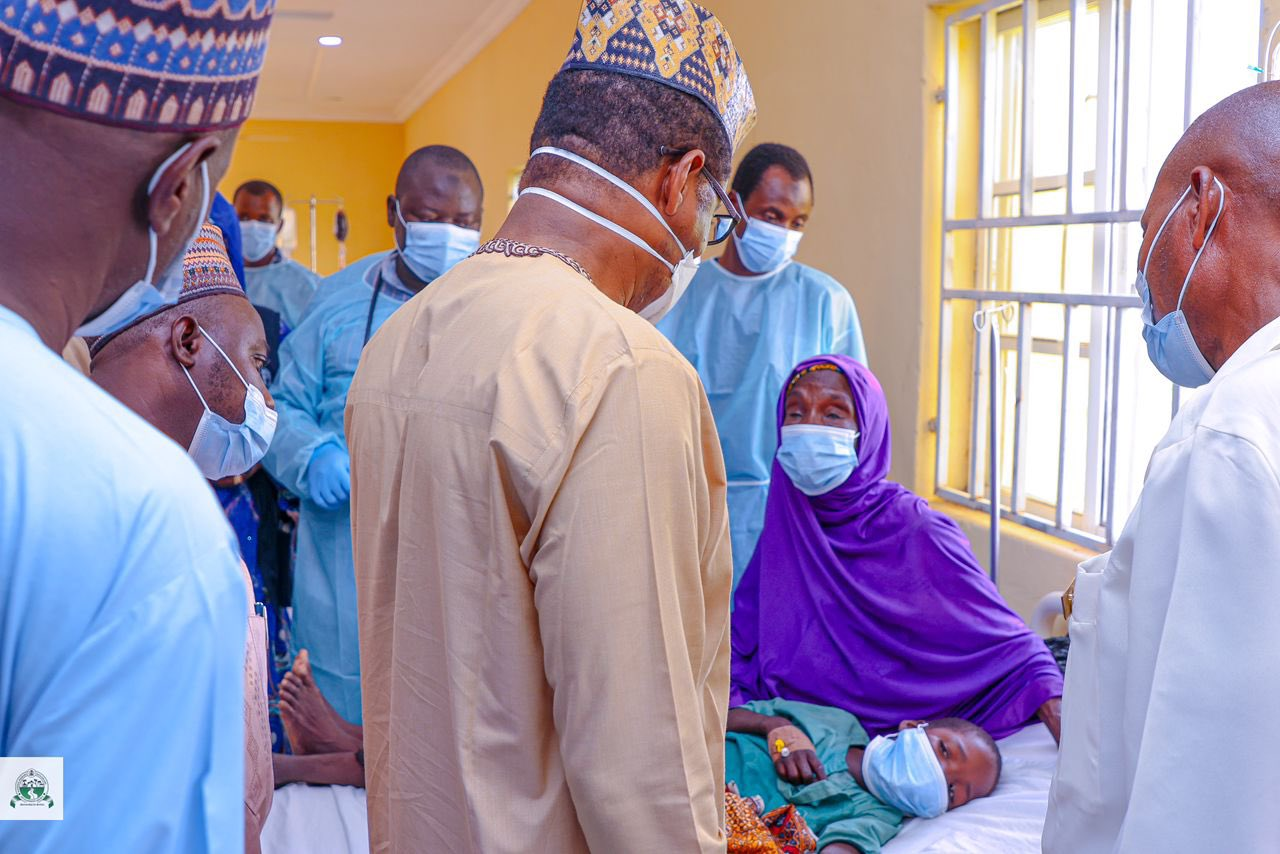
Protecting Your Family During the Outbreak
The rise in diphtheria cases in Plateau is a call to act. Families who stay alert to early symptoms, seek care immediately when something feels off, and confirm their children's vaccination status stand the best chance of staying safe.
Diphtheria is preventable and treatable when caught early, and the choices made in the next few days will matter far more than any home remedy.
Meta Description:
Tags: , , , Plateau State Health