Are Nigerians Becoming Desensitized to Bad News? Inside the 2025 Wave of National Fatigue
Amid kidnappings, violence, and international tension, many Nigerians are showing signs of news fatigue. Explore the reasons behind emotional desensitization and how citizens are reacting to 2025's crises.
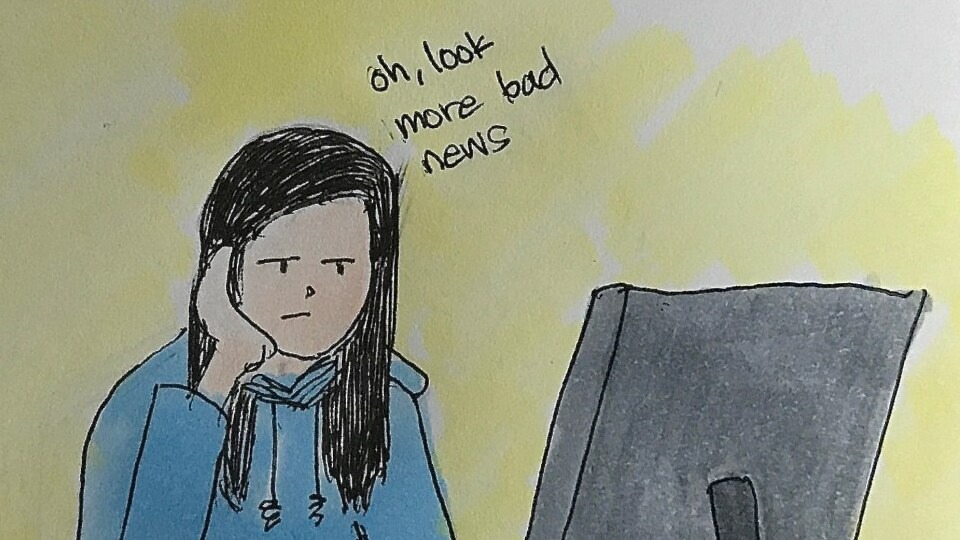
Bad news is no longer an event in Nigeria, it is a daily rhythm. A steady, unrelenting pulse beneath everyday life. From kidnappings to economic instability, from political scandals to foreign threats, crises have become so frequent that many Nigerians now glide past alarming headlines with a shrug, a sigh, or a tired, “Na God go help pesin for dis kwantry.”
But 2025 has intensified a worrying trend: a national desensitization to tragedy, especially among young people who are overloaded, exhausted, and emotionally checked out.
A Flood of Crises in Late 2025
Several events in the last month and into this month have pushed conversations about news fatigue into the mainstream:

1. Trump’s Threat of Military Action in Nigeria (November 2025)
In early November, former U.S. President Donald Trump publicly threatened military intervention in Nigeria, accusing the government of failing to protect Christians from “Islamic terrorists.”
His statements sparked international conversations, but for Nigerians, reactions ranged from disbelief to ridicule.
2. Federal Government Pushback
The Nigerian government dismissed Trump’s statements as baseless, insisting that Nigeria remains committed to religious freedom. Senior officials argued that insecurity affects both Christians and Muslims, and that Trump’s framing was politically motivated.
3. Renewed Spikes in Kidnapping Cases
In the past month alone, several states have reported new kidnapping incidents targeting commuters, farmers, and students.
The Afrobarometer findings from late May show that kidnapping remains one of the top concerns among Nigerians, surpassing unemployment and inflation in fear-factor.
4. Economic Tensions and Rising Prices
Food prices continued to surge despite government assurances. Many Nigerians say they are now more worried about “surviving the week” than about political drama happening in Abuja or Washington.
5. Social Media Overload
Every hour brings a new report of violence, missing persons, or political controversy often accompanied by raw videos that spread faster than official statements.
All these events overlap, creating a heavy emotional load that Nigerians carry daily.
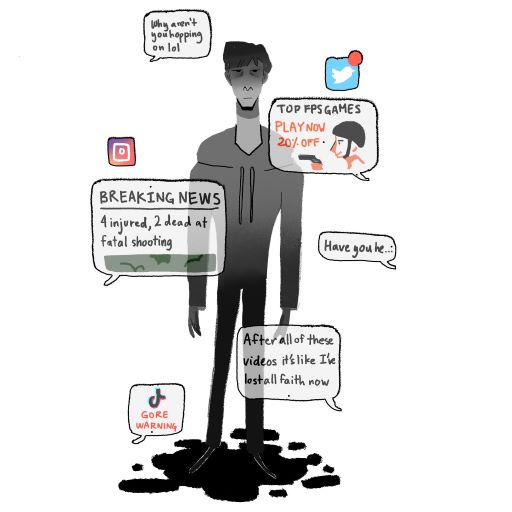
The Heart of the Problem: Emotional Numbness
There was a time when tragedy triggered collective outrage. Now, many Nigerians scroll past disaster updates the way they scroll past celebrity gossip fast, detached and unmoved.
Why?

Because the human mind is not built for constant exposure to fear, danger, and uncertainty.
When a nation is bombarded with traumatic news every day, emotional shutdown becomes a survival instinct.
Psychologists describe this as compassion fatigue; the same condition that affects emergency workers. Nigerians, by sheer exposure, have become their own emergency responders.
Nigerians’ Reactions: A Spectrum of Fear, Anger, and Resignation
Across X (Twitter), TikTok, radio shows, and street conversations, reactions to recent events reveal a divided and exhausted society.
1. Sarcasm and Dark Humour
This is the most dominant response among young people.
When Trump threatened military intervention, many Nigerians joked:
“Make una come. Maybe una go fix light while una dey here.”
Others quipped:
“Which Nigeria him wan invade? The one wey no even get fuel?”
“Hope say Trump get Nigeria map o? Na North o”
Sarcasm has become a protective layer. a way to laugh to avoid crying.
2. Fear of Becoming Another War Zone
Not everyone finds the situation funny.
Some Nigerians, especially in conflict-prone regions, expressed genuine fear that foreign intervention could turn Nigeria into another Afghanistan or Libya.
One user wrote:
“We never even fit handle our own wahala. Add foreign troops and the whole thing go scatter.”
Another warned:
“USA Intervention no dey ever end well. History don show am.”
3. Outrage at External Meddling
A vocal group sees Trump’s comments as disrespectful and dangerous.
Journalists, political commentators, and civic leaders argued that Nigeria must not allow its sovereignty to be threatened.
APC officials labelled calls for intervention “treasonous.”
For many, even the suggestion of foreign military action strikes at national pride.
4. Exhaustion and Indifference
A significant portion of Nigerians simply do not care anymore, not because they do not love their country, but because the emotional tank is empty.
You'd see reactions like:
“Abeg, I’m tired.”
“Nothing fit shock me again.”
“I don off news since last year.”
“If e no be money talk, count me out.”
This is the group most affected by news fatigue, the citizens who have stopped reacting, not because the situation is better, but because they feel helpless.
Why Nigerians Are Becoming Desensitized
1. Repetition of Tragedy
When bad news becomes routine, the mind adapts. “Killed”, “abducted”, “missing”, “bombed”, these words no longer carry weight.
2. Lack of Consequences
People are less likely to care when they believe nothing will change. Corruption scandals flare and fade. Commissions are set up but never conclude and promises are made but rarely kept.
3. Overexposure on Social Media
Nigerians are bombarded with raw, graphic content daily. When every incident is filmed and uploaded, trauma becomes communal and constant.
4. Economic Hardship
Survival mode erases emotional bandwidth. When food is expensive and income is unstable, outrage becomes a luxury.
5. Generational Trauma
Young Nigerians grew up watching tragedies unfold without resolution.
From Chibok to EndSARS to perennial fuel crises, there is a sense of inherited hopelessness.
Desensitization Has Consequences
When a nation stops feeling, it stops acting.
1. Reduced Civic Engagement
If bad news no longer shocks, protests diminish. Citizen pressure weakens. Governments face less accountability.
2. Normalized Insecurity
Fear becomes a lifestyle. Violence becomes background noise.
3. Decline in Trust
People stop believing in institutions, officials, and even the media.
4. Mental Health Crisis
Many Nigerians battle quiet anxiety and unresolved trauma.
But without acknowledgement, these conditions go untreated.
Can Anything Reverse the Trend?
Yes but it requires intentional effort across government, media, and civil society.
1. Responsible Reporting
Media houses must balance exposure with sensitivity. Sensationalism only deepens fatigue.
2. National Conversation on Mental Health
Nigeria needs open dialogue about trauma, grief, and burnout. Schools, workplaces, and religious institutions can help normalize these conversations.
3. Community Advocacy
When people organize locally, even in small clusters, they regain a sense of agency.
4. Government Transparency
Clear communication and visible action rebuild trust.
Final Thoughts
Nigeria is a resilient nation. Its people have survived crises that would break other societies. But resilience should never be mistaken for numbness.
The truth is painful: Nigerians are tired. Nigerians are hurting. Nigerians are overwhelmed.
The wave of desensitization sweeping the country is not a sign of strength but a warning sign. It is a sign that the emotional capacity of millions is being stretched thin.
For Nigeria to move forward, the nation must first learn to feel again.