America Grinds to Halt: Federal Shutdown Ignites Political Firestorm
A federal government shutdown has commenced following a congressional deadlock over health care funding, particularly ACA subsidies and Medicaid cuts. This has led to the furlough of hundreds of thousands of federal employees and significant disruptions across various agencies and services, despite essential functions like national security continuing. The duration and full economic and social consequences of this shutdown remain uncertain amidst heightened political tensions.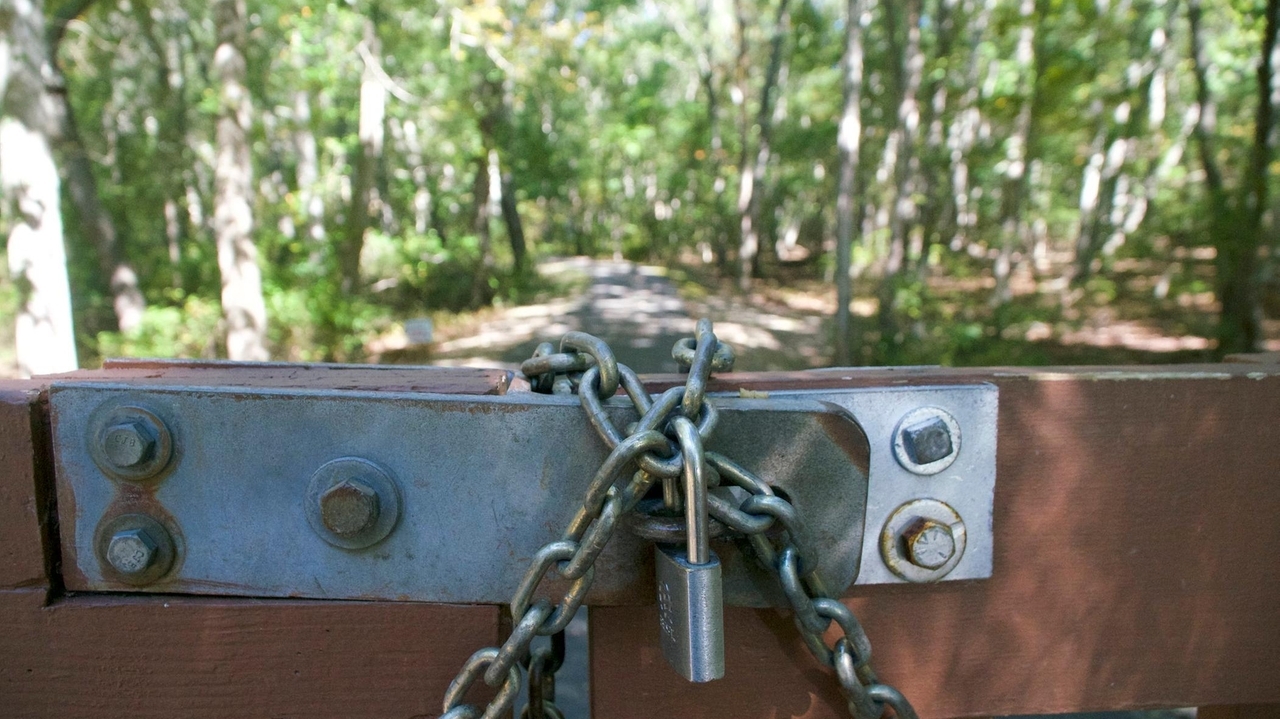
Washington is grappling with a looming, potentially prolonged federal government shutdown after lawmakers failed to reach an agreement on government funding by the deadline. The core of the impasse lies in an acrimonious deadlock between Democrats and Republicans over health care policy and spending priorities. Democrats insisted on reversing Medicaid cuts implemented through President Donald Trump’s previous tax and spending package and extending tax credits that make health insurance premiums more affordable for millions covered by the Affordable Care Act (ACA) marketplaces. Republicans, conversely, labeled the Democratic proposal a "nonstarter," estimating it would cost taxpayers over $1 trillion, and falsely claimed Democrats sought to fund health care for undocumented immigrants, despite existing ineligibility rules for such groups. Neither side has shown signs of compromise, initiating a lapse in appropriations.
The immediate consequence of the shutdown is the furloughing of an estimated 750,000 federal "nonexcepted" employees daily, incurring a daily compensation cost of roughly $400 million, according to the Congressional Budget Office. While these workers are legally guaranteed retroactive pay once operations resume, they may face periods without regular paychecks. "Excepted" employees, crucial for protecting life and property, continue to work without immediate pay. Essential services largely remain operational, including FBI investigators, CIA officers, air traffic controllers, airport checkpoint agents, and members of the armed forces. Mandatory spending programs such as Social Security, Medicare, and veteran health care (including VA medical centers, outpatient clinics, benefits processing, and national cemetery burials) also continue. The U.S. Postal Service, being an independent entity funded by sales rather than tax dollars, is entirely unaffected.
However, many other government functions and services face significant disruption. The Department of Health and Human Services plans to furlough about 41% of its nearly 80,000 employees. While the CDC will continue to monitor disease outbreaks, research into health risks will halt. Patient care for existing studies at the National Institutes of Health's research hospital will proceed, but new patient enrollments and studies will cease. The FDA's ability to protect public health will be "significantly impacted," delaying or pausing activities like the acceptance of new drug or medical device submissions. The National Park Service intends to furlough approximately two-thirds of its employees, keeping park roads, lookouts, trails, and open-air memorials generally accessible, though some sites may close due to damage or accumulating garbage, as seen in past shutdowns. Some parks may also seek agreements with states, tribes, or local governments for funding. Notable closures include the William Floyd Estate, while the Smithsonian Institution and National Zoo initially plan to remain open for a few days. The IRS is expected to remain open for the first five days for appointments.
Nutritional assistance programs also face uncertainty. While the Supplemental Nutrition Assistance Program (SNAP) is expected to continue through October, the Women, Infants, and Children (WIC) program is projected to have only one to two weeks of funding. On Long Island, nearly 6,000 low-income seniors relying on the USDA's Commodity Supplemental Food Program are at risk of losing access to home-delivered food items if the shutdown persists beyond three weeks. Local impacts on Long Island also include thousands of federal workers being kept from their jobs, with New York State’s Attorney General warning of catastrophic consequences if the shutdown extends.
Economically, the Congressional Budget Office suggests that a short shutdown has a minimal immediate impact, primarily due to retroactive pay. However, a prolonged shutdown can introduce significant uncertainty regarding the government's role and financial support for various programs, leading to a negative economic impact over time. Historically, markets have shown resilience to past shutdowns, finishing flat or up after initial dips. A particularly concerning aspect is the Trump administration’s stated intention to use this shutdown more aggressively, threatening "irreversible" actions like mass firings (reduction-in-force notices) and eliminating positions, rather than just furloughs, for programs not aligned with presidential priorities. This approach marks a departure from previous shutdowns and could lead to major upheaval in the federal workforce.