Alarming Trend: 1 in 25 Gen Z Addicted to Nicotine Pouches Despite European Ban
Nicotine pouch use has dramatically increased among young people in the UK, driven by aggressive marketing and celebrity influence, despite growing health concerns. A new study reveals a significant rise in usage among Gen Z, prompting experts to call for stricter regulations and a ban on sales to minors.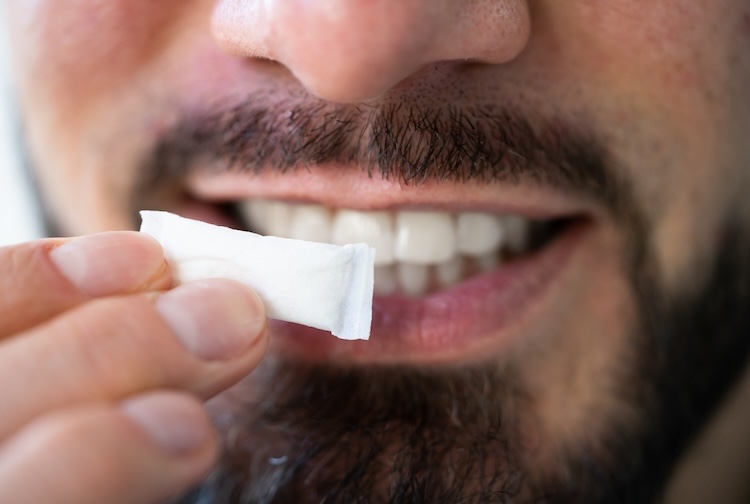
The use of trendy nicotine pouches has surged sharply among young people in Great Britain, despite growing concerns about their potential to cause serious health problems, including cancers and heart disease. Researchers at University College London (UCL) found that one in 25 Gen Z individuals now use these small, pillow-shaped pouches containing synthetic nicotine powder and flavourings. This represents a significant rise from just 0.7 percent among 16 to 24-year-olds in 2022. Overall, around half a million Britons are estimated to be using nicotine pouches today—a tenfold increase compared to 2020.
Nicotine pouches are designed to be discreetly placed between the upper lip and gum, where they release a steady dose of highly addictive nicotine. The nicotine is absorbed directly into the bloodstream over 20 to 60 minutes through the small blood vessels lining the mouth. Unlike snus, a tobacco-based oral product, these pouches contain no tobacco. Health experts are now calling for a ban on their sale, arguing that their appeal lies in delivering nicotine’s stimulant effect without the smoke of cigarettes or the chemicals found in vapes. Their popularity among teenagers has also been linked to their use by professional footballers, with figures such as former England and Leicester striker Jamie Vardy openly admitting to using them. A Professional Footballers’ Association study last year found that one in five top players uses either nicotine pouches or snus, believing they help manage stress during matches.
The new research, published in The Lancet Public Health, analysed smoking and nicotine-use habits among 128,000 British adults aged 16 and over between October 2020 and March 2025. It revealed that overall nicotine pouch use increased from 0.1 percent of the population in 2020 to 1 percent in 2025. Among 16 to 24-year-olds, usage rose sharply from 0.7 percent in 2022 to 4 percent in 2025. By contrast, the study—funded by Cancer Research UK—found “no meaningful change” in use among people aged 35 and over.

The findings also showed higher usage rates among men, particularly those aged 16 to 24, and among individuals who already smoke or vape. More than two-thirds of nicotine pouch users also consumed other nicotine products such as cigarettes or vapes, a pattern consistent with trends seen in the US, Denmark, Poland, and Australia. Notably, 16 percent of users had never smoked regularly. The study further observed that more smokers are using pouches as part of attempts to quit smoking, with usage in this group rising from 2.6 percent in 2020 to 6.5 percent in 2025.
Dr. Harry Tattan-Birch, senior behavioural science researcher at UCL and lead author of the study, stated that the rise in nicotine pouch use has been “almost exclusively driven by young people, especially young men,” while remaining “stable and low” among adults over 35. He attributed the trend partly to aggressive marketing, including advertising on social media, billboards, in bars and train stations, and through sponsorship of motorsports and music festivals. While acknowledging that nicotine pouches are far less harmful than cigarettes and likely less harmful than e-cigarettes, Dr. Tattan-Birch warned that “they are not harmless and can currently be sold to children with no marketing restrictions and no cap on nicotine content.” He stressed the need for “proportionate measures to limit uptake among teenagers.”
Concerns have also been raised that nicotine pouches could act as a “gateway” to smoking, leading to bans in countries such as France, Belgium, and the Netherlands. In Australia, their sale is restricted to prescription only. In the UK, however, because the products contain no tobacco, they can legally be sold to under-18s and are often displayed alongside sweets in convenience stores. The proposed UK Tobacco and Vapes Bill is expected to regulate the sale of nicotine pouches and vapes to young people, although its implementation remains months away.
Researchers have also expressed alarm over how nicotine pouch marketing is specifically targeted at young audiences on social media. Studies in the US have linked their use to a rise in nicotine poisoning cases among young children. Other research suggests that nicotine pouches may increase the risk of heart disease in people who were not previously nicotine users and could potentially contribute to oral cancers, though further long-term studies are needed. Reported short-term side effects include lightheadedness, nausea, bleeding gums, and vomiting.