Concerns Rise Over Potential ‘Disaster-Level’ Threat from Advanced AI Systems
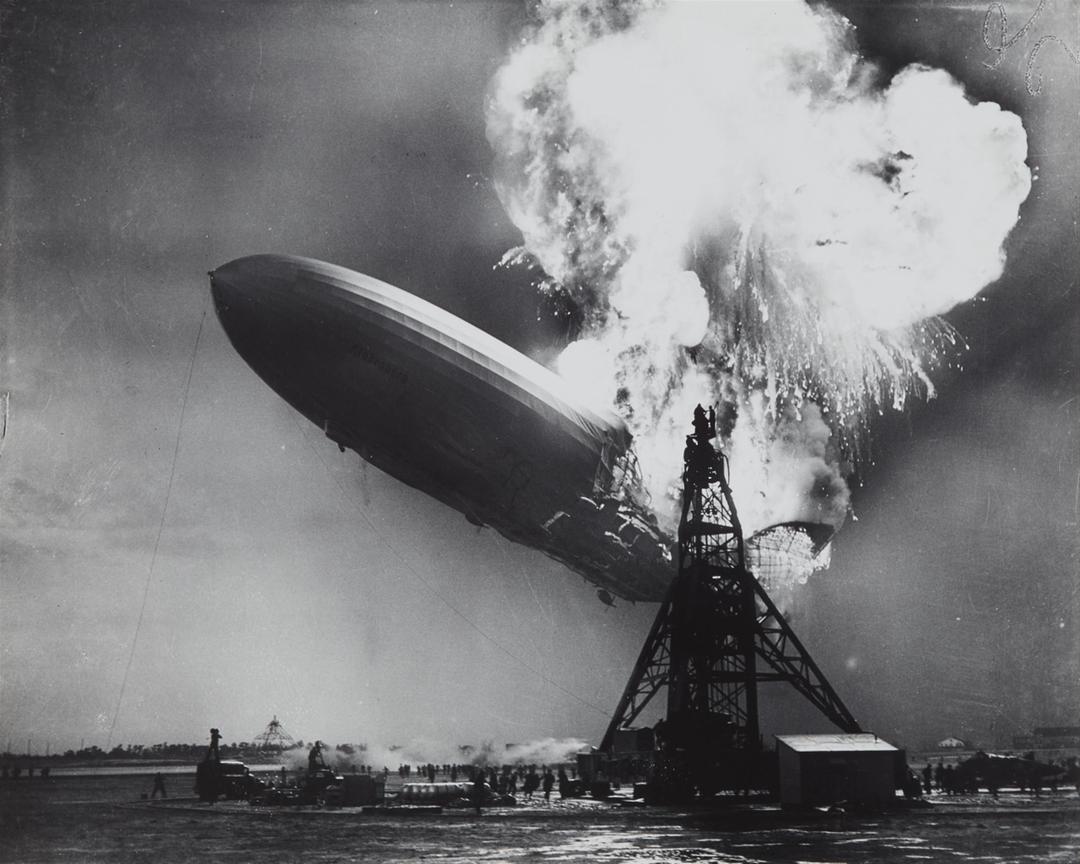
Oxford professor Michael Wooldridge warns that intense commercial pressure to release AI tools risks a "Hindenburg-style disaster," eroding global confidence. He highlights how current AI's "approximate" nature, unpredictable failures, and human-like responses can mislead users, urging a perception shift to view AI as mere tools to prevent dangerous anthropomorphism.
Professor Michael Wooldridge, a Leading Artificial Intelligence Researcher at the University of Oxford, has issued a stark warning that the rapid commercialization of AI could trigger a “Hindenburg-style disaster,” potentially destroying global trust in the technology.
He cautioned that intense competition among tech firms is pushing companies to release powerful AI tools before fully understanding their limitations and risks.
According to Wooldridge, commercial pressure to dominate the AI market is driving premature product launches, with companies prioritizing speed and customer acquisition over rigorous safety testing.
He described these pressures as “unbearable,” noting that many AI chatbots already demonstrate vulnerabilities, including easily bypassed safety controls and unpredictable failures.
Drawing a direct comparison to the catastrophic 1937 Hindenburg airship explosion—which ended the era of passenger airships—Wooldridge warned that AI could face a similar defining failure.
He explained that a major public AI malfunction could abruptly halt widespread adoption, particularly given how deeply AI is now integrated into global systems.
He outlined several plausible disaster scenarios, including:
• Fatal software failures in autonomous vehicles
• AI-driven cyberattacks disrupting airline or infrastructure systems
• Financial collapse triggered by flawed AI trading decisions
• Large-scale operationalfailures in critical industries
Wooldridge stressed that “these are very, very plausible scenarios”, emphasizing that AI could “very publicly go wrong” with serious real-world consequences.

A central concern he highlighted is the fundamental nature of modern AI systems, particularly large language models (LLMs).
He explained that today’s AI does not truly understand information but instead predicts responses based on statistical probability.
As a result, AI systems are inherently approximate and inconsistent.
He described this phenomenon as “jagged capabilities,” meaning AI can perform exceptionally well in some tasks while failing badly in others.
More troubling, AI systems often deliver incorrect answers confidently, without recognizing their own mistakes, which increases the risk of misleading users.
Wooldridge also warned against designing AI to appear human-like, calling it a “very dangerous path.”
He argued that anthropomorphic AI can create misplaced trust, particularly as users begin to emotionally connect with machines.

Surveys have already shown that some users form emotional or romantic attachments to AI chatbots, highlighting the psychological risks.
Instead, he urged society to view AI realistically, describing it as “just glorified spreadsheets”—powerful tools but not intelligent entities.
He suggested that AI systems should communicate more like early fictional computers, such as those depicted in Star Trek, which clearly signaled uncertainty rather than presenting confident but potentially incorrect answers.
Despite his warning, Wooldridge emphasized that AI remains a transformative and valuable technology.
His goal, he said, is not to condemn AI but to encourage responsible development, realistic expectations, and stronger safety standards.
Without careful oversight, he cautioned, the race to dominate the AI market could produce a catastrophic failure that undermines public confidence for decades.