South Africa's Tourism Booms 29% as Zimbabwe Tops African Source Markets in April 2026
South Africa recorded a 29% surge in international arrivals in April 2026, with Zimbabwe emerging as the top African source market, sending over 228,000 tourists in a single month.
South Africa's tourism sector experienced an extraordinary resurgence in April 2026, marking one of its most impressive performances in recent history.
The nation recorded a significant 29% year-on-year increase in international arrivals, propelling visitor volumes 9.6% above pre-pandemic levels. This robust recovery signals a complete and resounding bounce-back for South Africa as a premier travel destination on the continent.
Crucially, beneath these headline figures lies a compelling narrative for travel professionals across sub-Saharan Africa.
Zimbabwe has emerged as the single largest African source market for South Africa, demonstrating its pivotal role in this recovery.
In April 2026 alone, an astounding 228,371 Zimbabwean tourists entered South Africa, surpassing arrivals from all other African nations, including historically strong contributors like Mozambique, Lesotho, Kenya, Morocco, Namibia, Nigeria, and Ghana.
This achievement positions Zimbabwe at the forefront of the Southern African Development Community (SADC) rankings as a key driver of South Africa's tourism economy, a role previously held by other neighboring countries.

The evolving regional travel patterns are significant. SADC countries now contribute over 85% of all continental arrivals into South Africa. While some might initially perceive this concentration as a market vulnerability, a deeper analysis, however, reveals a powerful regional integration dividend.
This dominance underscores how deeply interconnected economies, shared cultural ties, and enhanced cross-border mobility are collectively generating substantial tourism value.
Zimbabwean travelers, in particular, exhibit a profound engagement with South Africa's diverse tourism offerings.
Their visits are far from mere stopovers in major hubs like Johannesburg or Cape Town, instead, they actively explore the full spectrum of experiences.
This includes urban retail therapy in popular destinations such as Sandton and the V&A Waterfront, leisurely coastal excursions along the Garden Route, premium safari adventures in Kruger National Park and surrounding private reserves, and rich cultural immersions across various provinces.
Their spending broadly circulates through accommodation, transport, food and beverage, and retail sectors, creating extensive economic ripples that go beyond simple bed-night statistics.
This trend offers a valuable case study for African travel industry professionals, illustrating how factors like proximity, affordability, and shared linguistic and cultural connections can consistently outperform long-haul markets in driving visitor volumes.
Zimbabwean tourists benefit from streamlined border procedures, well-established road and air links, and a familiarity with South African brands and lifestyle options.
These combined elements create a seamless and repeatable travel experience, exemplifying the frictionless mobility that policymakers across the continent aspire to achieve, particularly under the African Continental Free Trade Area (AfCFTA) framework.
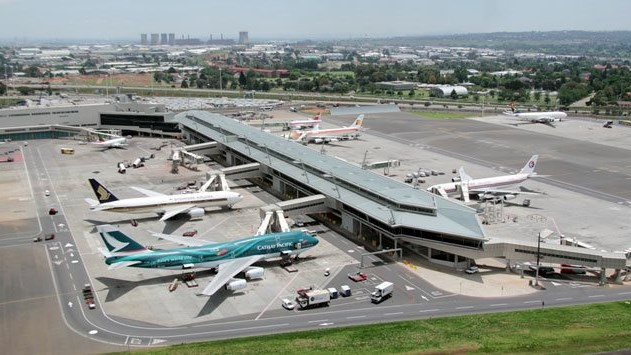
Infrastructure plays an equally critical role in this success story. During April 2026, three major South African airports managed historic volumes. OR Tambo International alone processed over 96,000 international arrivals, while King Shaka in Durban and Cape Town International also reported substantial passenger throughput.
This performance highlights the indispensable nature of efficient and reliable aviation gateways in sustaining and boosting tourism momentum.
For travel agencies and tour operators throughout Africa, this is a clear indication that ample capacity, consistent reliability, and smooth airport experiences are paramount in converting initial interest into confirmed bookings.
Looking forward, the implications for the broader African travel trade are significant. The Zimbabwean model suggests that the future of the continent's tourism will increasingly depend not solely on attracting visitors from Europe, North America, and Asia, but also on fostering and deepening intra-African travel flows.

As more countries, including Kenya, Rwanda, Ghana, Morocco, and various SADC member states, ease visa requirements, the conditions for sustained regional tourism growth are becoming increasingly favorable.
For tour operators, hoteliers, and destination marketers across sub-Saharan Africa, the lesson from South Africa's April performance is unmistakable.
The path to competitive advantage in the coming years will involve developing tailored products specifically for African travelers, investing strategically in regional marketing campaigns, and proactively forging cross-border partnerships.
This success is not just a national triumph for South Africa; it serves as a powerful continental signal that the African tourism market is maturing, and those who strategically position themselves now will be best placed to capitalize on these future gains.