Africa’s Image Economy: The Business of Looking Good
In Africa’s digital age, fashion has evolved from self-expression into a kind of survival. What began as cultural pride has turned into a currency, a visual language of ambition, influence, and identity.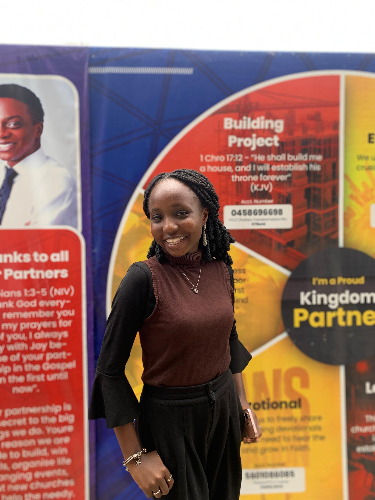
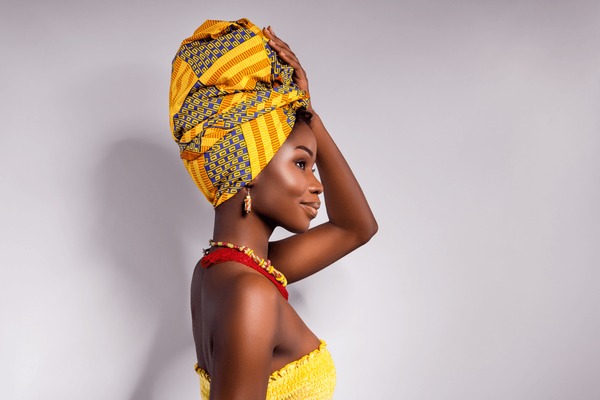
Once upon a time, fashion was just fashion, a way to cover your body, maybe show a little style and make an impression as a social gathering. But today, in Africa’s digital age, it’s far more than that. Looking good has become a full-time job, a marketing strategy and even a survival skill. It’s a business, a brand and a kind of currency.
Everywhere on social media, there’s a post, a story, a reel, showcasing someone looking very put together, and more often than not, one stops to look. Because looking good sells these days. It sells confidence, lifestyle and possibilities.
What began as the ancient African pride in appearance; the fine agbada, the colorful kente, the polished Ankara has evolved into a showy economy. So, what happens when looking good becomes more than just self-expression and it becomes survival?
From Meaning to Marketing
In traditional African societies, appearance always carried meaning. Clothes told stories , stories of tribe, marital status, occasion and identity. Their textiles symbolized heritage, lineage, social standing and historical events.
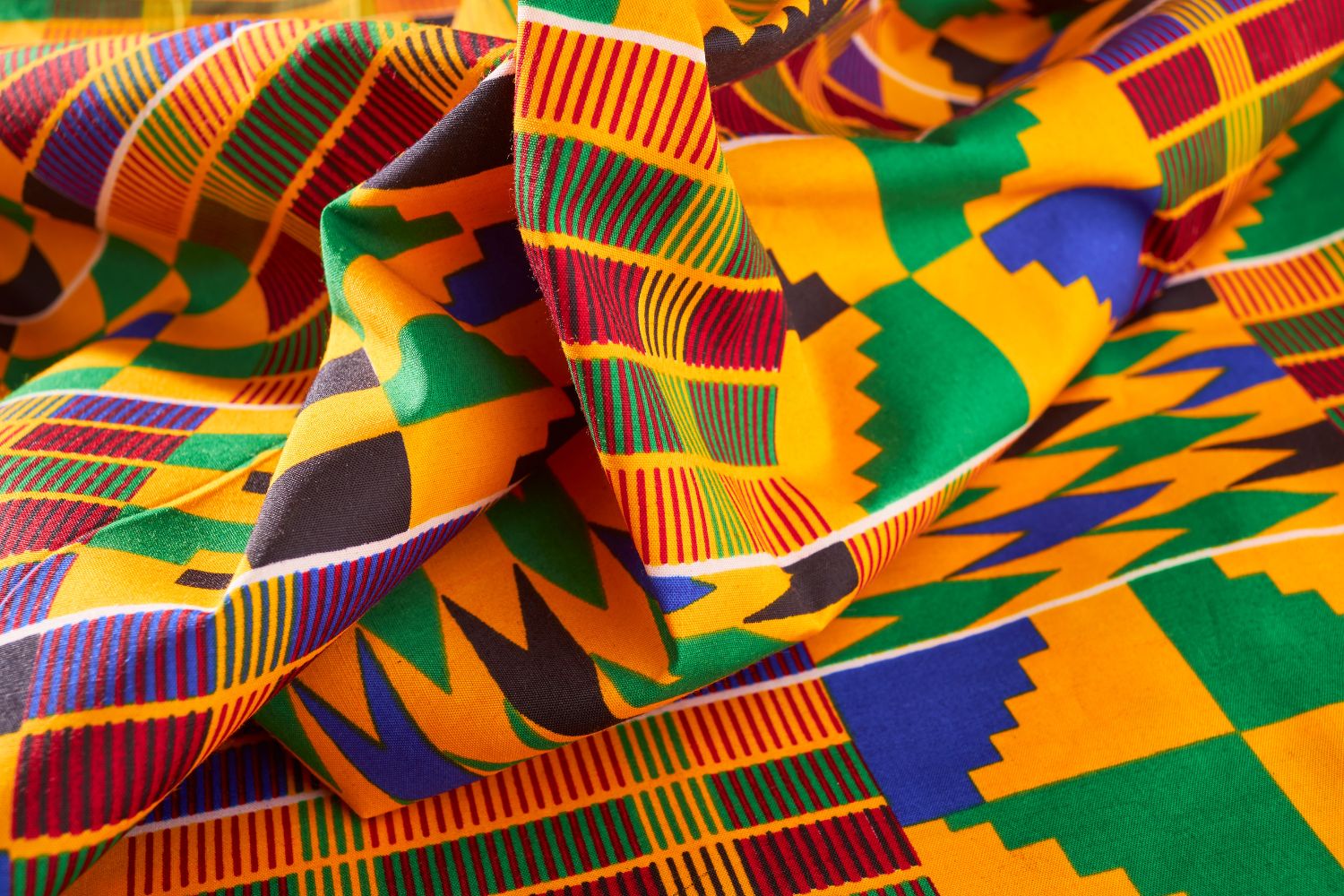
You didn’t need a label to know someone’s dignity, you saw it in how they carried themselves. But with colonialism came a quiet distortion. European dress codes were presented as superior, and Africans were taught to see Western appearance as a gateway to acceptance. This mindset merged with modern capitalism, and the simple act of looking respectable became a race for relevance. Over time, the meaning behind dressing well began to shift. What once served as communication of identity turned into competition for visibility. In modern Africa, looking good often determines who gets noticed, hired, or even respected.
Today, independence has given Africa back its style, but capitalism has turned that style into spectacle. Looking good isn’t just cultural pride anymore; it’s often a demonstration of success. It’s not enough to enjoy life, you have to prove it, preferably in high definition. And now, with the era of social media, everyone has a stage to showcase their aesthetic.
In a continent where visibility often translates to opportunity, you can’t blame people for dressing like their dreams. But there’s a thin line between image as inspiration and image as illusion.
When FinTech Meets Fashion
The rise of digital banks, micro-loans, and “buy now, pay later” platforms have quietly turned the dream of looking good into something you could finance. What's most fascinating is how seamlessly this new financial culture blends aspiration with accessibility. Looking good has become part of a broader digital economy, one where your appearance can be both a marketing tool and a survival strategy. You can borrow to get a new phone, for a wedding outfit or for a birthday photoshoot. It's not a big deal to take a small loan to help you dress the part that you're willing to look like on social media. There’s even an unspoken hustle culture around it. Tailors, vendors, and photographers now offer installment payments or “shoot now, pay later” deals, understanding that image has become a necessity, not a luxury.
However, it's both brilliant and dangerous. On one hand, it democratizes access, allowing people to build brands, launch side hustles, and express themselves in ways previously reserved for the privileged. On the other hand, it feeds the illusion that image equals worth. It's now common to see someone dressed in designer wears, and using the latest phones yet juggling multiple debts. And this has been tagged as survival because, in an economy where perception can open doors, many would rather risk debt than invisibility. And invisibility, in this system, feels like failure.
Pride, Pressure, and Performance
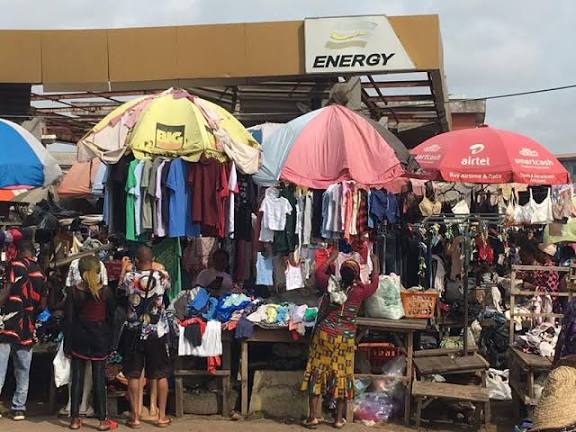
There's some deeper and communal about why Africans dress the way they do. Looking good for them has always been about pride, resilience, and storytelling. A Yoruba man’s agbada isn’t just fabric, it’s history. A Ghanaian’s kente isn’t just pattern, it’s royalty and culture. African fashion has always been a declaration and statement. What’s changed is the medium, and now, the same pride that once bonded us now sometimes burdens us. The pressure to always appear put together has become a quiet competition. Still, there’s no denying the creativity this culture has birthed. From thrift markets like Katangua in Lagos or Toi Market in Nairobi to online stores run by young designers, African youth are redefining what it means to be stylish. They mix old with new, local with global. They make fashion out of limitation, turning scarcity into art.
But beneath the hustle lies exhaustion. Keeping up appearances is quite draining. People wear what they can’t afford, post what they don’t feel and smile through the stress of chasing aesthetics. You can’t afford an off day when your livelihood depends on being seen as perpetually glowing. For women, this tension is even sharper, because the beauty economy in Africa has become much more magnified. And for men, they need to dress the way they want to be addressed, to command attention via their appearance.

The Return to Real
The good thing about all of these is that every cultural wave eventually meets its countercurrent. And across the continent, the trend that is now emerging is authenticity. Local brands are pushing sustainability over flashiness, more people are celebrating thrift, handmade crafts and cultural wear. The narrative is shifting from perfection to purpose. Fashion weeks in different parts of the continent now highlight stories, not just silhouettes. The designers are less concerned with copying Western aesthetics and more with translating African experiences into wearable art. It’s not about looking rich anymore, it’s about looking real. Looking good shouldn’t be about debt or deceit, it should be about dignity, wearing your truth, and being proud, not pressured.
Looking good will always be part of who we are as Africans. It’s woven into our cultures, our celebrations, our sense of identity. But the challenge now is balance, to let fashion remain art without making it a mask, to let image inspire without letting it imprison.
Because in the end, real confidence isn’t about who has the flashiest outfit or the newest gadget. It’s about the pride of knowing who you are, even when the spotlight moves on. And that, is the most fashionable thing of all.