ADC Demands Answers Over N15.8 Trillion in Post-Subsidy Revenue
The African Democratic Congress (ADC) is demanding accountability from the Federal Government over N15.8 trillion in additional resources generated from petrol subsidy removal and foreign exchange reforms. The party argues that despite increased revenues, Nigerians' living conditions have worsened, citing soaring petrol prices, food inflation, and transport costs. The ADC calls for transparency in spending and a concrete plan to reduce economic hardship before the 2027 elections.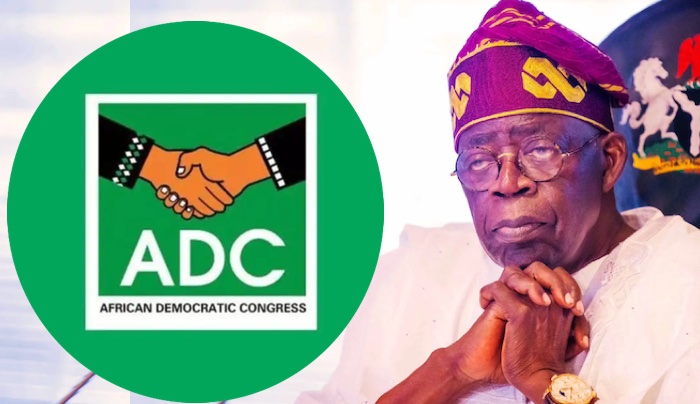
The African Democratic Congress (ADC) has demanded that the Bola Tinubu administration account for an estimated N15.8 trillion in additional resources generated between June 2023 and December 2025 following petrol subsidy removal and foreign exchange reforms.
In a statement by its National Publicity Secretary, Bolaji Abdullahi, the party questioned whether the increased government revenues had translated into better living conditions for Nigerians. The ADC's demand followed comments attributed to Abdul’aziz Yari, Director-General of President Tinubu's re-election campaign, concerning the government's economic record.
The party said the additional resources included about N5.4 trillion each for the Federal Government and states, alongside N3.9 trillion allocated to local governments, while states collectively received about N47.25 trillion in FAAC disbursements between 2023 and 2025.
Despite the increase in public revenue, the ADC argued that Nigerians continued to face higher petrol, food and transportation costs, noting that petrol prices rose from about N185 per litre in May 2023 to more than N1,300 in some areas by August 2025.
It also questioned the scale of the Federal Government's CNG mass-transit programme and raised concerns over states reportedly borrowing despite receiving substantially higher FAAC allocations.
The opposition party is challenging the Tinubu administration to provide a detailed account of how the additional revenues were spent and present a credible plan for reducing the cost of fuel, food and transportation before the 2027 election.
The ADC said it does not support a return to the previous subsidy system, which it described as opaque and vulnerable to corruption, instead advocating domestic refining and targeted, transparent support to lower costs.
Its central argument is that increased government revenue should ultimately be reflected in the economic realities of citizens, making the management of the post-subsidy windfall a major political issue ahead of 2027.