A Nation's Shame: Nigerian Children Suffer Malnutrition Due to Neglect
Nigeria faces a worsening child malnutrition crisis as millions of children in the northwest suffer from hunger, stunting, and preventable deaths, despite billions lost annually to inaction.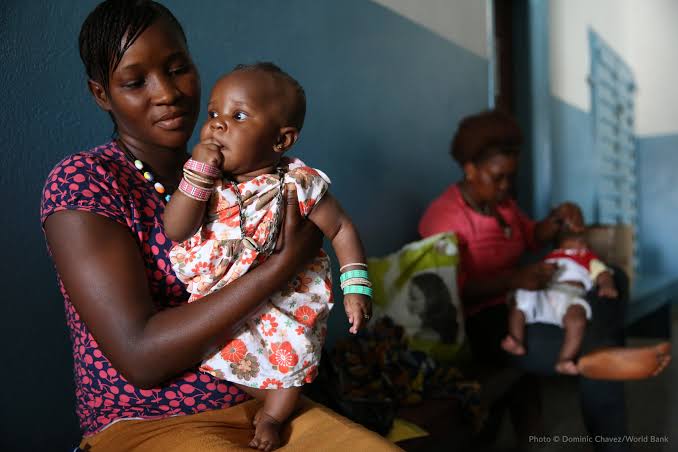
Across northwestern Nigeria, a silent crisis of child malnutrition continues to devastate communities, leaving millions of children stunted, wasted, and vulnerable to disease and death. In states like Sokoto, Jigawa, Katsina, and Kebbi, mothers cradle frail children whose bodies tell a story of hunger, poverty, and neglect, a story that mirrors the nation’s deepening social and economic fractures.
This tragedy took centre stage at the recent Conference on Mobilising Against Malnutrition in Northwest, held in Abuja. Organized by the Katsina State Government in partnership with the Northwest Governors Forum, Médecins Sans Frontières (MSF), and the Office of the Vice President, the event called for urgent, collective action to stem Nigeria’s worsening nutrition emergency.
Vice President Kashim Shettima, represented by Mrs. Uju Rochas-Anwukah, Senior Special Assistant on Public Health, described the crisis as “one of Nigeria’s most tragic yet preventable realities.” He warned that malnutrition weakens children, limits the nation’s productivity, and threatens future development. “When a nation’s child suffers from stunted growth, its future becomes stunted,” he said.
Shettima stressed that nutrition is the most strategic investment any government can make, citing estimates that Nigeria loses $56 billion annually—about 12.2% of national income—to malnutrition. He noted that every dollar invested in nutrition yields up to $23 in returns, calling on leaders to view child nutrition as both a moral and economic priority. Under the federal Nutrition 774 Initiative, efforts are underway to integrate nutrition programming across all local government areas through key pillars such as leadership, financing, coordination, accountability, and evidence-based planning.
In his remarks, Katsina State Governor Dikko Umar Radda declared malnutrition an emergency threatening the region’s future. His administration, he said, has invested ₦40 billion in the health sector, renovated 261 primary health centres, and hired nearly 3,000 health workers. Katsina has also contributed ₦1 billion to the Child Nutrition Fund, matched by UNICEF, while distributing 90,000 bags of grain to vulnerable households. To sustain progress, the state is building a Ready-to-Use Therapeutic Food (RUTF) factory and enforcing child protection laws and six-month maternity leave to improve maternal and child health.
The Coordinating Minister of Health and Social Welfare, Prof. Muhammad Ali Pate, represented by Mrs. Ladidi Bako-Aiyegbusi, described malnutrition as “one of the most pressing challenges confronting Nigeria.” He confirmed that stunting and wasting levels in the Northwest exceed emergency thresholds and announced that 115 new treatment sites have been established this year to expand access under the National Food and Nutrition Policy. “Behind every statistic is a real child and a real family struggling to survive,” he said, calling for collaboration among government, donors, and communities.
Data presented at the conference revealed a grim picture: stunting rates in the Northwest range from 40.7% in Kebbi to 64.6% in Katsina, with the region losing over ₦1 trillion in GDP annually due to malnutrition. MSF reported that it treated nearly 300,000 children with Severe Acute Malnutrition (SAM) across northern Nigeria in 2024 — more than half of its global caseload. MSF Country Representative Dr. Ahmed Aldikhari described the situation as “a humanitarian alarm,” worsened by food insecurity, seasonal hunger, and weak healthcare access in Sahelian communities.
Ultimately, Nigeria’s fight against child malnutrition is not just about saving lives, it is about securing the nation’s future. Until every child is nourished, every mother supported, and no family forced to choose between food and survival, the nation’s conscience remains unsettled.