41 Years On: Classic Sci-Fi Fantasy Series Finds New Life on Apple TV!
Discover the enduring legacy of <i>She-Ra: Princess of Power</i>, a 1980s animated classic now finding renewed popularity on Apple TV. Learn about its unique origins as a series-first development, its engaging plot detailing Princess Adora's transformation into She-Ra, and its groundbreaking themes of female empowerment and protection that set it apart from its contemporaries.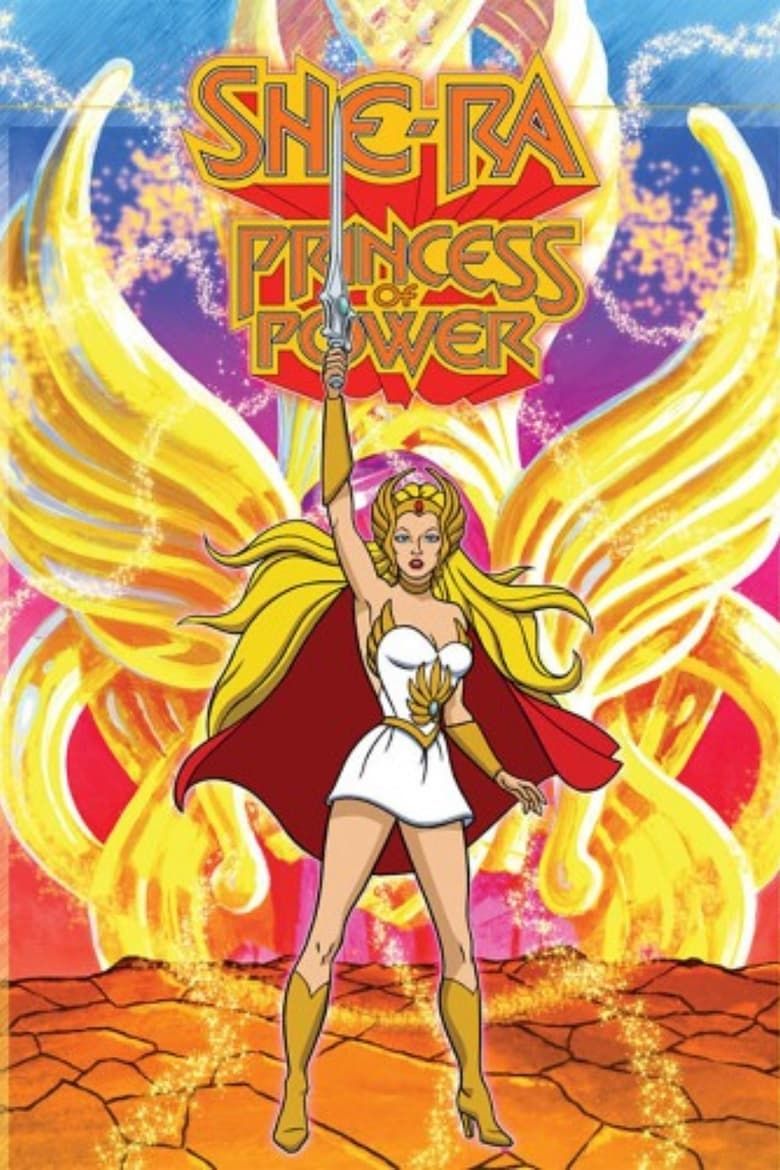
It is a rare phenomenon for a television series to find renewed life over 40 years after its original premiere, yet She-Ra: Princess of Power has achieved just that. This animated Saturday morning staple, which first premiered in September 1985, is now experiencing a resurgence on the Apple TV store, more than four decades later. This enduring popularity is rooted in its unique origins and groundbreaking themes.
Unlike its parent show, He-Man and the Masters of the Universe, which itself was a spin-off of Mattel’s toy line, She-Ra: Princess of Power was conceived as a series first. Filmation and Mattel collaborated closely on its creation, with Mattel providing the funding. Writers Larry DiTillio and J. Michael Straczynski were instrumental in developing the initial cast of characters, including She-Ra (He-Man’s sister), her alter-ego Princess Adora, and her formidable nemesis, Hordak. The show’s premise was crafted before the accompanying toys were released, a testament to its narrative-driven development.
The series is set on the planet Etheria, where Princess Adora (voiced by Melendy Britt) was raised, unaware of her true heritage. She had been kidnapped at birth from Queen Marlena and King Randor of Eternia by the villainous Hordak. Under the care of Shadow Weaver (Linda Gary), Adora grew up serving as a Horde Force Captain, genuinely believing that the Horde maintained peace across Etheria.
Adora's worldview was shattered during a mission in the Whispering Woods, where she encountered her twin brother, He-Man (John Erwin). He-Man had been tasked by the mystical Sorceress (Linda Gary) to locate the destined wielder of the Sword of Protection, a counterpart to his own Sword of Power. Upon touching the jewel on the hilt, Adora was contacted by the Sorceress, who revealed the truth: her kidnapping, Hordak's atrocities, and her familial connection to He-Man. Exclaiming "For the Honor of Grayskull!", Adora transformed into She-Ra for the first time, and her horse, Spirit, became the flying unicorn Swift Wind (Erik Gunden). Together, they thwarted Hordak’s attack on the rebels, and Adora made the pivotal decision to break rank and assume leadership of the Great Rebellion.
She-Ra: Princess of Power distinguished itself significantly from He-Man, both in tone and thematic depth. It embraced a more fantastical setting on Etheria, deviating from its predecessor's medieval sci-fi feel. The show featured magical characters like the absent-minded Madame Razz and imaginative companions such as Swift Wind and Kowl, a flying creature resembling a koala-owl hybrid with rainbow ears. It also explored more mature themes, notably Adora's profound arc of guilt and redemption, a narrative complexity that mirrored later iconic female protagonists like Xena: Warrior Princess.
A fundamental difference lay in the intentions behind the main characters' transformations. He-Man’s iconic phrase, "I have the Power," signifies the Sword of Power primarily as a weapon for conflict. In contrast, She-Ra’s "For the Honor of Grayskull!" empowers her with the Sword of Protection, which, while used in combat, frequently transforms into defensive tools like shields, nets, or helmets. This emphasizes her core purpose of protection. Crucially, She-Ra's role as a protector was never presented as secondary to He-Man's role as a fighter; she was depicted as his equal, a powerful, heroic protagonist in her own right, and the inspiring leader of a rebellion comprised of other heroic figures.
Premiering in 1985, the same year as another female-led series, Jem and the Holograms, She-Ra: Princess of Power was remarkably ahead of its time in terms of female representation on television. The series maintains a morally positive stance with a clear distinction between good and evil, cleverly blending sci-fi and fantasy elements. It features diverse characters and, much like Xena: Warrior Princess that followed a decade later, subtly hinted at queer representation—a bold move for television, especially for a Saturday morning cartoon, during that era. These progressive elements, combined with its engaging narrative, explain why this 41-year-old animated classic continues to captivate new audiences on Apple TV today, proving that she truly does have the power.