10 Things Once Considered Normal That Have Become Unusual
Many things that once defined everyday life are quietly becoming unusual as technology, culture and changing social habits reshape how we live.
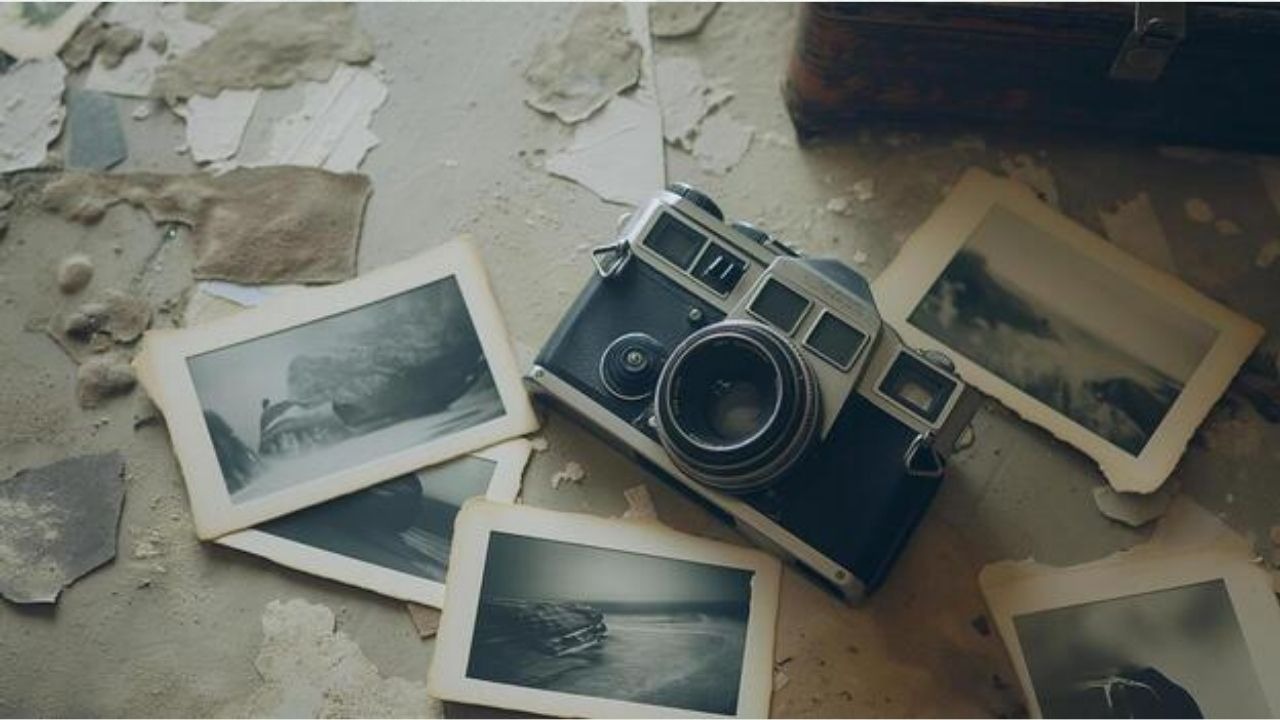
There was a time when many things did not need to be explained because everyone simply did them. People wrote letters, kept physical photo albums, memorised telephone numbers, knocked on neighbours’ doors without calling first and spent hours outside without anyone wondering where they were.
None of these things disappeared overnight. They simply became less necessary as technology, work, entertainment and social habits changed. What was once ordinary gradually became inconvenient, old-fashioned or unnecessary, and some of these changes have happened so quietly that we rarely stop to notice what has been lost along the way.
1. Writing Letters by Hand
Handwritten letters once carried news, affection, congratulations and apologies across distances. Today, instant messaging and email have made waiting days or weeks for a response almost unimaginable, but it replaced an era of real writing.
2. Memorising Phone Numbers
People once memorised the telephone numbers of family members, friends and businesses because there was nowhere to save them. Smartphones have made that unnecessary, meaning many people now struggle to remember even the numbers they contact most.

3. Using Physical Maps
Before navigation apps became standard, travellers relied on printed maps, road signs and directions from strangers. Getting lost was sometimes part of travelling, while asking someone for directions was a normal part of finding your way.
4. Keeping Physical Photo Albums
Photographs were once carefully printed, arranged in albums and brought out when visitors came around. Today, thousands of memories can sit inside a phone, rarely printed and sometimes forgotten beneath newer images.
5. Paying With Cash Everywhere
Cash remains important in many places, but digital payments have changed everyday transactions dramatically. Cards, mobile wallets, bank transfers and QR payments mean carrying physical money is becoming less necessary in increasingly digital economies.
6. Visiting Someone Without Calling First
There was a time when showing up at a friend's or relative's home was not necessarily an intrusion. Today, many people expect a message or phone call before a visit, making spontaneous appearances increasingly unusual.

Social Insight
Navigate the Rhythms of African Communities
Bold Conversations. Real Impact. True Narratives.
7. Watching the Same Television Programme Together
Television once created shared viewing experiences because families and friends often watched whatever was being broadcast at the same time. Streaming platforms have replaced that common schedule with personalised entertainment available whenever someone wants it.
8. Playing Outside Until It Got Dark
For generations, children spent long periods playing outdoors with limited supervision and returned home when the day was ending. Safety concerns, changing neighbourhoods and the attraction of digital entertainment have made that experience less common in many places.
9. Reading Printed Newspapers Every Day

Printed newspapers once formed part of many people's morning routines. News now reaches audiences through websites, social media, notifications and video platforms, making the daily physical newspaper increasingly unfamiliar to younger generations.
10. Knowing Your Neighbours
In many communities, knowing the people living around you was simply part of everyday life. Urbanisation, apartment living, busy schedules and increasingly private lifestyles have made it possible to live beside someone for years without knowing much about them.
Conclusion
The interesting thing about these changes is that most did not happen because people collectively decided that the old ways were bad; convenience simply won.
Technology gave us faster communication, easier navigation, instant entertainment, and more efficient ways to pay, but every improvement also quietly removed something from everyday life.
Perhaps the real question is not whether these things will return, but whether there are parts of ordinary life we should deliberately preserve before convenience makes us forget why they mattered.