Why WhatsApp Channels Are Quietly Replacing News Sites
WhatsApp Channels are quietly becoming the go-to news source, reshaping how people consume journalism and leaving traditional news sites struggling to keep up
You probably don’t remember the last time you typed a news site’s URL into your browser. And that is not because you don’t read the news, but because the news now comes to you, often before you even get out of bed.
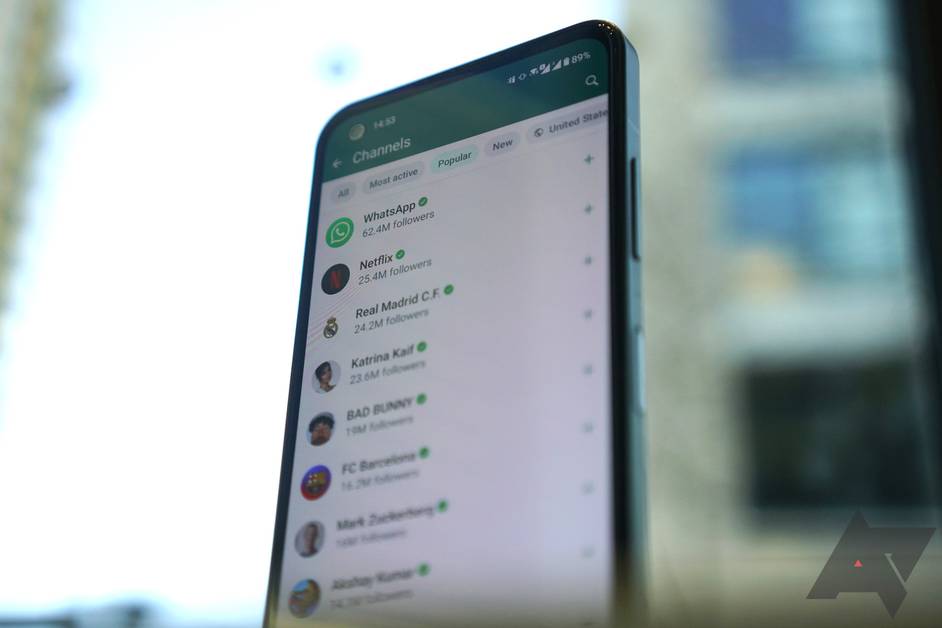
The first thing you check is WhatsApp. Somewhere between the overnight birthday wishes in your departmental group chat and the aunties forwarding “Good morning” memes, you find yourself scrolling through posts from news outlets, influencers, and government agencies, all tidily sitting in your WhatsApp Channels feed.
There are no pop-up ads, no cookie consent banners and no endless scrolling to find one paragraph of useful information. Just headlines, images, and videos in the same app where you make weekend plans and share memes.
That has become the quiet revolution: WhatsApp Channels are becoming the new front page and traditional news sites are quietly fading into the background.
The Rise of WhatsApp Channels
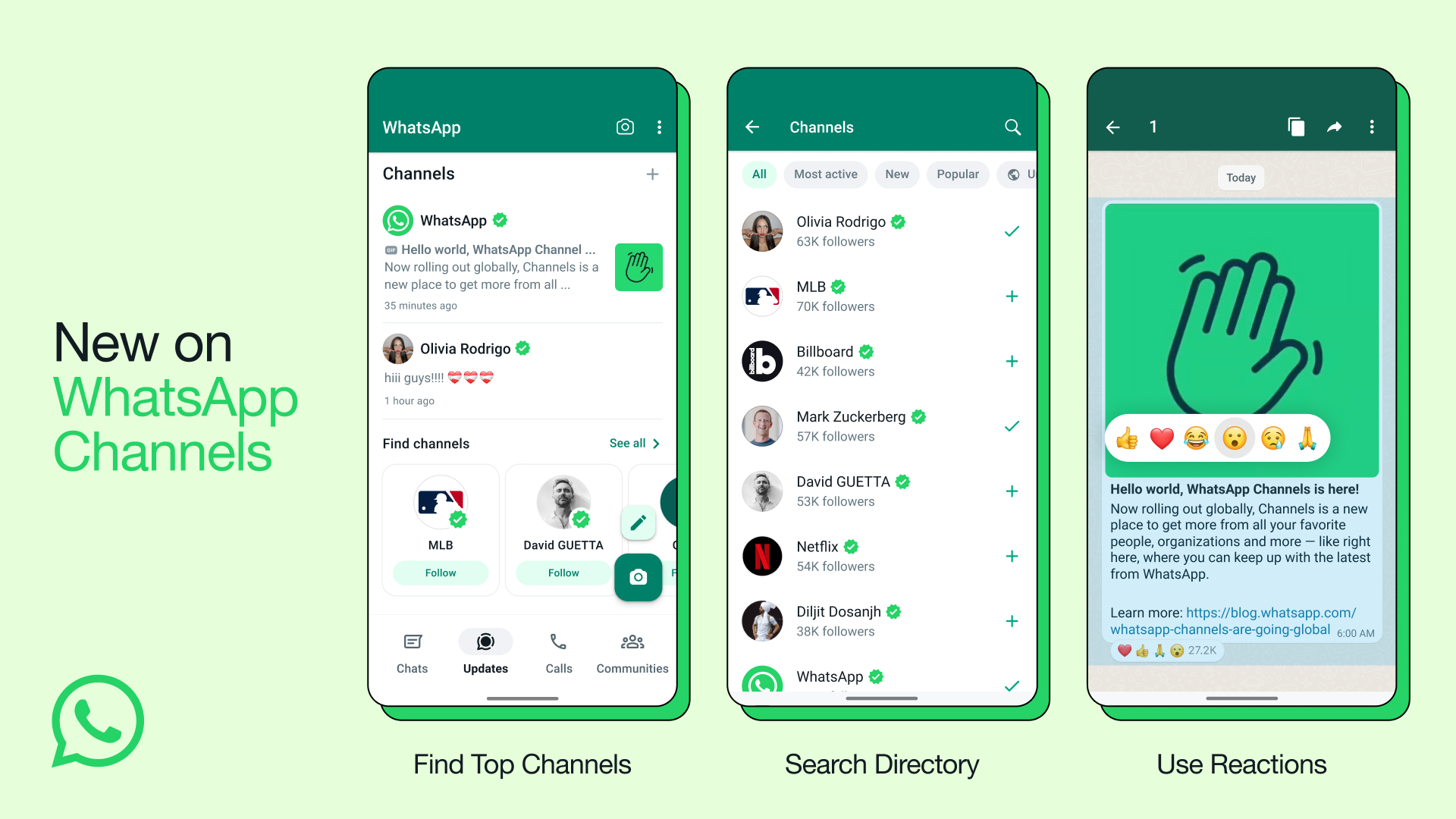
When WhatsApp announced channels in mid-2023, it did not sound like a newsroom disruptor. It was described as a “private way to follow what matters”, essentially a one-way broadcast tool where admins share updates and followers react silently. There are no noisy group chats, no “seen by” list, no direct replies.
The concept was not new; Telegram had been running its own version for years. But WhatsApp had something Telegram doesn't have: over two billion active users, with a deep hold on Africa, Asia, and Latin America, regions where data is expensive, trust in mainstream media is shaky, and WhatsApp is practically the internet.
Within months, media houses, celebrities, politicians, and even football clubs opened channels. From CNN to BBC Pidgin, from Taooma to your local traffic update page, channels became a central hub for news and announcements. And because they sit in the same tab as your chats, it is only a thumb swipe away from your personal conversations.
Why People Are Choosing Channels Over News Sites
It is not hard to see the appeal. The first is convenience. People see no reason to go hunting for information when it can land directly in the app you already use all day. There would be no bookmarks, no separate apps, just a scroll down from your best friend’s messages.
The second is the frictionless access. Traditional news sites are bloated. There are autoplay ads, pop-up surveys, and “Subscribe to our newsletter” boxes stand between you and the story. WhatsApp Channels strip all that away. The news is delivered clean, with images, headlines, and short summaries.
Also, the personalized feed is a thing. On channels, you choose exactly who to follow. You can subscribe to a global news giant, your local weather service, a niche entertainment blog, or a government COVID-19 update page, all without the noise of unrelated stories.
Finally, there is trust in familiarity. For many, WhatsApp feels personal and local. You use it to talk to family, friends, and colleagues, so following a news Channel feels like letting a familiar voice into your space. That psychological intimacy makes people more likely to trust what they read, for better or worse.

Latest Tech News
Decode Africa's Digital Transformation
From Startups to Fintech Hubs - We Cover It All.
The Shift in News Consumption Patterns
The effect on audience behaviour is already showing. For years, news websites have been fighting a losing battle for homepage visits. Now, many readers don’t even see the homepage at all. They click directly from a link shared on social media or messaging apps, if they click at all.
Some don’t bother or are too lazy to leave the app. The headline and thumbnail are enough to form an opinion. Others bookmark the Channel post to read later, but “later” never comes.
Younger audiences, especially Gen Z, are leading this shift. For them, “the news” is not something you search for, it is something that finds you in the same space you send TikTok links and voice notes. This is the same generational pivot we saw with Facebook Pages in the 2010s and Twitter feeds in the mid-2010s. The difference is that WhatsApp is even more embedded in daily life.

The Impact on Traditional News Media
For news publishers, this trend is a double blow.
First, it is about traffic. Fewer clicks to their websites means fewer ad impressions, which means less revenue. Many outlets already rely heavily on digital ads to survive, so losing direct visits can be financially devastating.
Then, it is about brand identity. When news is consumed in-app, the audience does not experience your carefully designed homepage, your editorial style, or your suggested articles. A WhatsApp post reduces your publication to a headline and a picture, indistinguishable from dozens of other sources in the same feed.
Also, it is about control. Once your distribution is in WhatsApp’s hands, you play by WhatsApp’s rules. If the algorithm changes or the company limits political content (as Facebook did in some countries), your reach could collapse overnight.
The Double-Edged Sword of WhatsApp News
For audiences, the rise of channels comes with both advantages and problems.
The advantages includes the easy accessibility, the larger reach and the brevity in the updates.
And the problems faced includes easy misinformation, reliance on just one sources opinion and extreme platform dependence.
Latest Tech News
Decode Africa's Digital Transformation
From Startups to Fintech Hubs - We Cover It All.
How News Outlets Are Adapting
Some media houses have been quick to adjust. They treat their channels as headline hubs, short updates with a link to the full article. Others experiment with native WhatsApp content like Short videos for breaking news, infographics for complex stories like budgets or election results.
A few are partnering with fact-checkers to verify viral claims before posting. In countries where misinformation can spark real-world harm, these partnerships are critical.
But there is a strategic dilemma: Should you use channels to lure people to your website, or should you accept that the news now lives in the app and adapt accordingly?
The Future of News in a WhatsApp-Dominated World
It is not far-fetched to imagine WhatsApp Channels becoming the main news delivery system in emerging markets. For many people in remote parts of Africa and Asia, the app is already the internet.
But the dominance of one platform carries risks. A WhatsApp glitch could cut off access to vital updates. A new policy could limit independent journalism in politically sensitive regions. And if monetization comes to channels, as Meta has hinted, smaller outlets might be pushed out by those who can pay to promote their posts.
Meanwhile, competition is brewing. Telegram channels remain strong in some regions. Instagram has launched broadcast channels for influencers and brands. But WhatsApp’s advantage is its ubiquity, uninstalling it is almost unthinkable for most people.
The Quiet Takeover Is Already Here
The front page is no longer on your newspaper stand. It is not even your browser homepage. It is in your messaging app, sandwiched between a friend’s meme and your class’ update.
WhatsApp Channels did not just give us a new way to follow the news they quietly rewired our habits. The question now is not whether channels will replace news sites in certain markets, it is how fast, and whether the journalism we get in our feeds will be as rich, reliable, and diverse as the websites it is replacing.
For readers, it is a win for convenience. For publishers, it is a fight for relevance. And for the future of informed societies, it is a reminder that the tools we love most can reshape our public square, one silent broadcast at a time.
Latest Tech News
Decode Africa's Digital Transformation
From Startups to Fintech Hubs - We Cover It All.