Why the Sand We Depend On Is Slowly Disappearing
The world is running out of one of its most important resources—and it's not oil or water. How the rising sand shortage could quietly transform construction, economies, and the environment in unexpected ways most people never see coming.
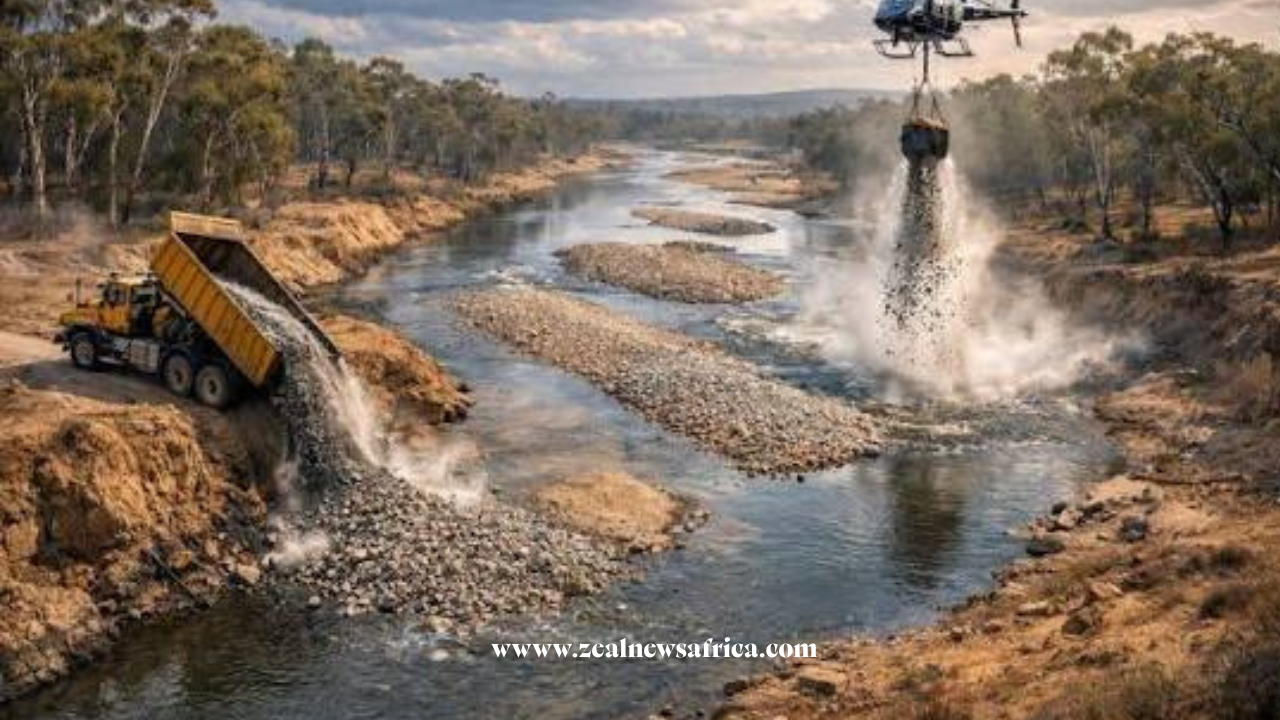
When many people think that the only natural resources that are running out, can be oil, water, or forests which usually come to mind.
However, one of the world's most overlooked resources is sand, because while it may seem impossible that a material covering beaches, riverbanks, and deserts could become scarce, but, the reality is far more complex than we see.
Not all sand is suitable for industrial use, and the demand for high-quality sand has increased dramatically as the world's population and infrastructure needs continue to grow.
Sand is the second most consumed natural resource on Earth after water, but there’s a key ingredient in concrete, which forms the foundation of homes, schools, hospitals, roads, bridges, and skyscrapers.
It is also used in the production of glass, computer chips, solar panels, and many other everyday products.
As urbanization accelerates, especially in developing countries, billions of tons of sand are extracted every year to meet the demands of construction and technological advancement.
What many people do not realize is that desert sand, the type most commonly associated with vast landscapes—is often unsuitable for construction.
Wind erosion makes desert sand grains too smooth and rounded to bind effectively in concrete.
Instead, industries rely on sand from rivers, lakes, coastlines, and seabeds, but these sources are limited and are being depleted at a rate that far exceeds their natural replenishment.
The growing demand for sand has serious environmental consequences, because the excessive mining can alter river flows, increase flooding, accelerate coastal erosion, and destroy habitats for wildlife.
In many areas, ecosystems have been damaged, while communities that depend on rivers and coastlines face declining fish populations, loss of farmland, and greater exposure to natural disasters.
As the saying goes,"We often take for granted the things that seem endless—until they begin to disappear."
Sand is a perfect example. As quality sand becomes harder to find, extraction and transportation costs rise, increasing construction expenses and putting pressure on developing economies.
In some regions, high demand has fueled illegal mining, corruption, and conflicts over resources.
Environmental expert Pascal Peduzzi, who has studied global sand resources extensively, has warned that the world cannot ignore the growing pressure on sand supplies.
He argues that sand must be recognized as a strategic resource and managed more sustainably to prevent long-term environmental and economic damage.
According to Peduzzi,"our sand resources are not infinite, and we need to use them wisely."
Despite its importance, the global sand shortage receives little attention. Without better regulations, sustainable mining practices, and greater use of recycled materials, sand scarcity could become a major challenge for future development and environmental protection.
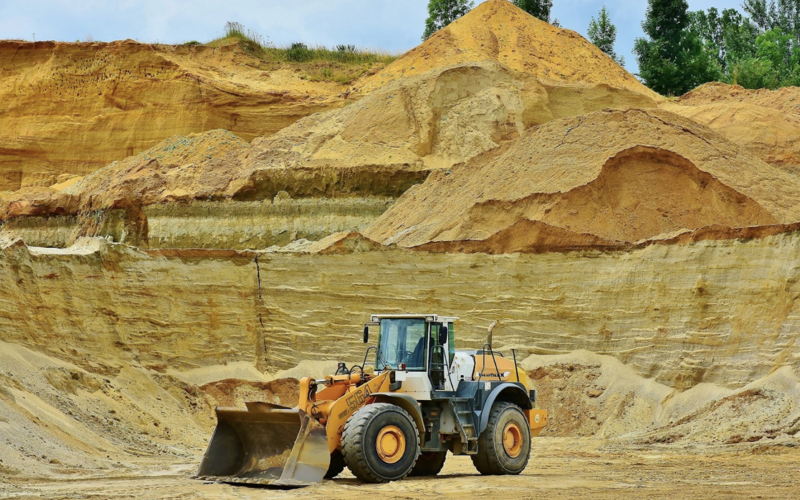
Why Sand Is More Important Than Most People Realize

Sand is often viewed as an ordinary material found on beaches and riverbanks, but it plays a vital role in nearly every aspect of modern civilization.
In fact, many of the structures and technologies people depend on daily would not exist without it.
Despite its simplicity, sand is one of the most valuable natural resources in the world and is a key building block of economic development and technological progress.
One of sand's most important uses is in the construction industry, and mixed with cement, gravel, and water, sand forms concrete—the primary material used to build homes, offices, schools, hospitals, bridges, dams, and skyscrapers.
It is also a major component of asphalt, which is used to pave roads, highways, airport runways, and parking lots.
As countries continue to urbanize and invest in infrastructure projects, the demand for sand increases rapidly.
Beyond construction, sand plays a major role in many of the products we use every day. It is used to make glass for windows, bottles, and smartphone screens, as well as the tiny computer chips found in phones, laptops, and other electronic devices. Without sand, much of the technology we rely on would not exist.
Sand is also essential for clean energy, as solar panels and other renewable technologies rely on high-quality silica sand. As countries invest more in green energy, demand continues to rise.
At the same time, growing cities and populations require more homes, roads, bridges, and other infrastructure, increasing pressure on sand supplies. What once seemed limitless is becoming a valuable resource.
Because sand is everywhere, its importance is often overlooked. Yet it plays a crucial role in modern life, making sustainable management more important than ever.
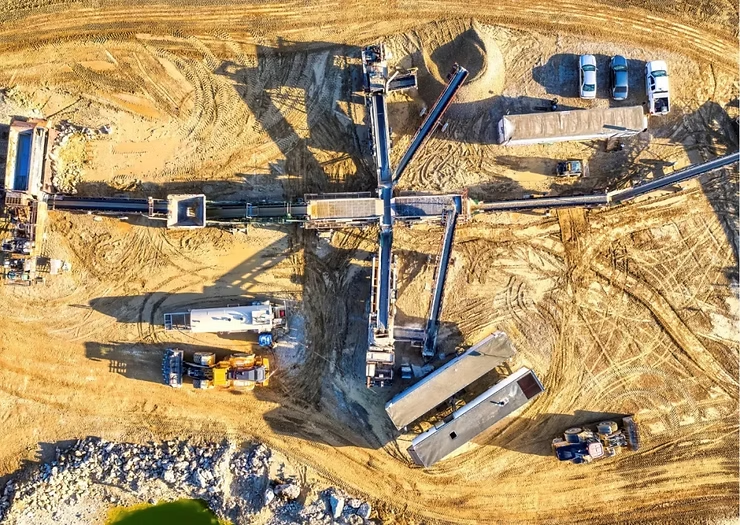
Not All Sand Can Be Used
Many people assume deserts can provide an endless supply of sand, but the reality is more complicated.
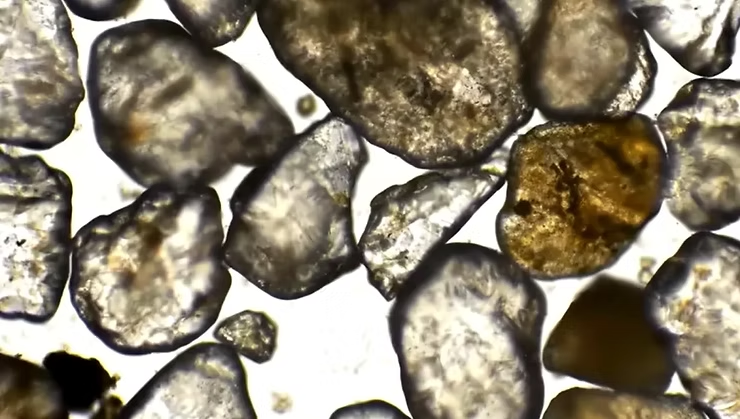
Desert sand is often too smooth and rounded by years of wind erosion to be suitable for construction.
Instead, the sand used to build homes, roads, bridges, and skyscrapers usually comes from riverbeds, lakes, coastlines, and seabeds.
The global sand shortage is a critical hidden crisis, because we consume roughly 50 billion tonnes of sand annually for construction, placing intense strain on riverbeds and coastal habitats. This demand is still rising at around 6% per year, because the level of extraction is not sustainable.
Because wind erosion creates smooth, rounded grains, desert sand cannot interlock to form the strong, durable concrete required for skyscrapers and bridges.
These sources are limited, and they are being used faster than nature can replace them. As our cities continue to grow, this hidden demand is placing increasing pressure on one of the world's most overlooked resources.
The Environmental Cost of Sand Mining
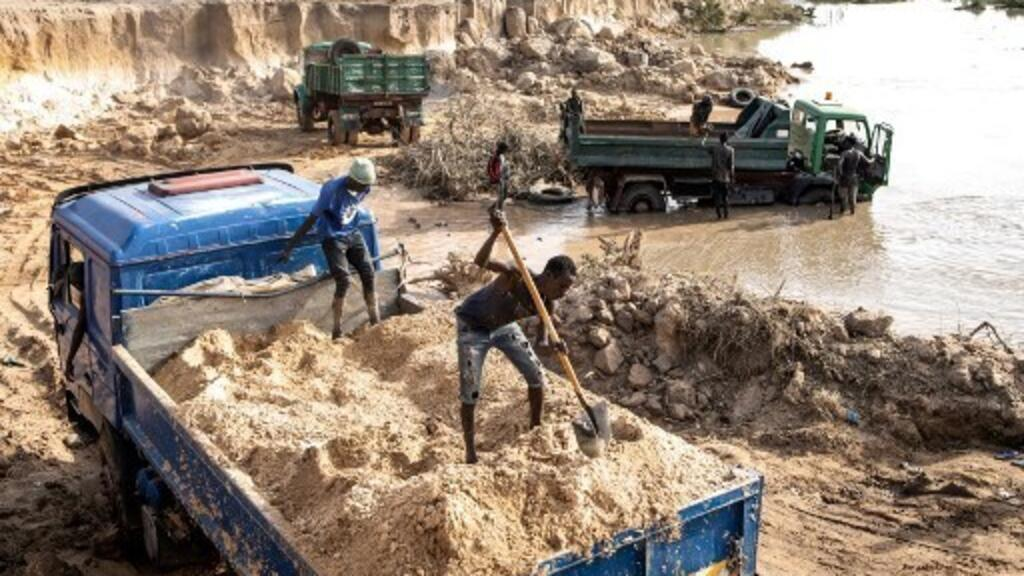
The extraction of sand can severely damage ecosystems, often in ways that are not immediately visible.
Excessive mining alters river flows, increases erosion, destroys habitats, and threatens wildlife that depend on these environments to survive.
Over time, rivers can become deeper or shift their paths entirely, affecting both nature and nearby communities.
Coastal sand mining is equally harmful. It can weaken natural barriers that protect shorelines from storms, flooding, and rising sea levels, leaving coastal towns more exposed and vulnerable.
For example, Lagos has unregulated sand mining and dredging, such as along the Lekki-Epe corridor, Badagry Creek, and the Lagos Lagoon—heavily exacerbating coastal erosion, degrading local fisheries, and threatening shoreline stability.
In some regions, illegal sand mining has become a serious environmental and criminal issue, carried out quietly but with long-lasting consequences.
For many communities,these changes are not just environmental—they are personal.
Fishing becomes harder, farmland is lost, and daily life becomes more uncertain as the land they depend on slowly disappears.
What Happens If the Shortage Continues?
If sand demand continues to outpace supply, construction costs could rise significantly, slowing infrastructure development around the world.
This would not only affect large projects like highways and bridges but also everyday housing, making it harder for many people to afford homes.
Countries may also face resource conflicts, environmental degradation, and increasing economic pressure as sand becomes harder to obtain.
In some places, the shortage could even deepen inequality, as wealthier regions secure access while poorer communities struggle with shortages.
Experts are calling for better regulation, recycling of construction materials, and sustainable alternatives to reduce dependence on natural sand.
Without these changes, a resource most people rarely think about could quietly become one of the biggest challenges to future development.
Conclusion
Although sand appears to be everywhere, the type needed for modern industries is becoming increasingly scarce.
As urbanization and development continue to grow, the world must find more sustainable ways to manage this vital resource.
This is why raising awareness about the global sand shortage is the first step toward protecting both the environment and the future of human development.