Why Petrol Stations Are Becoming Mini-Supermarkets: The Shift No One Expected
Fuel stations in Nigeria are quietly evolving into convenient mini-markets, offering everyday items that busy commuters now rely on for quick, safe, late-hour shopping.
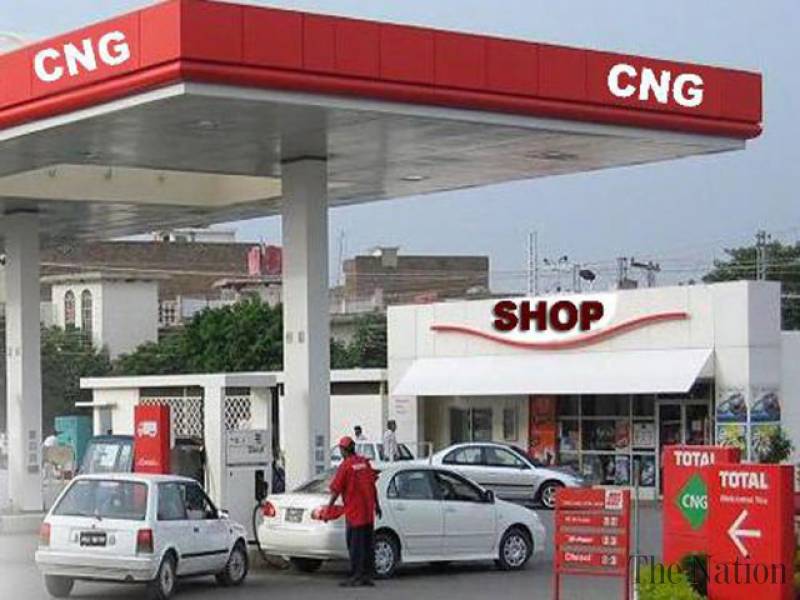
In the last few years, Nigerians have grown used to unexpected changes from fluctuating fuel prices to the rising cost of everyday food items. But one shift has crept in almost unnoticed: petrol stations slowly turning into mini-supermarkets. It started subtly, with a few shelves of snacks and bottled drinks tucked behind the cashier. Today, many stations have transformed into full convenience stores that look more like compact retail hubs than traditional filling stations.
Walk into any busy station in Lagos or Abuja at dusk, and the scene is familiar. Nurses returning from night shifts pick up bread before heading home. Drivers buy water and energy drinks for late-night trips. Students in transit stop to grab toiletries. What was once a quick fuel run is now a reliable stop for everyday essentials, and this quiet shift is doing more than offering convenience, it is rewriting a part of Nigeria’s retail culture.
Inflation Is Changing How People Shop
Nothing in Nigeria remains untouched by inflation, and household shopping habits have adjusted accordingly. Large supermarket trips have become a luxury for many families. People now buy what they need for the moment, sometimes for the day, other times for the next few hours depending on how their cash flow behaves. This reality has made micro-purchasing the new normal.
Petrol stations have stepped into this moment at the perfect time. Their shelves offer just enough variety for immediate needs but not so much that shoppers feel overwhelmed. The pricing is often slightly higher, but the tradeoff is convenience and reliability. And with frequent stock replenishment, customers trust that the basics — water, toothpaste, noodles, bread, beverages, will be available.
Reports from the National Bureau of Statistics consistently show how consumers now prioritise purchasing essentials in smaller quantities. Retailers who meet people “where they are”, sometimes literally by the roadside, gain loyalty quickly.
Anyone who has walked through dimly lit streets late at night understands why Nigerians seek safe buying points. Petrol stations offer exactly that: bright lighting, visible staff, functioning CCTV cameras, and predictable security. This atmosphere creates something small shops often struggle to provide reassurance.
From Fuel Pumps to Full Retail Hubs
The evolution didn’t happen by accident. Major brands like TotalEnergies, NNPC Retail, and Enyo saw what was coming before the trend became obvious. They began redesigning their spaces: clearing out old lubricant corners, installing proper shelving, bringing in branded refrigerators, and partnering with distributors to guarantee steady supply.
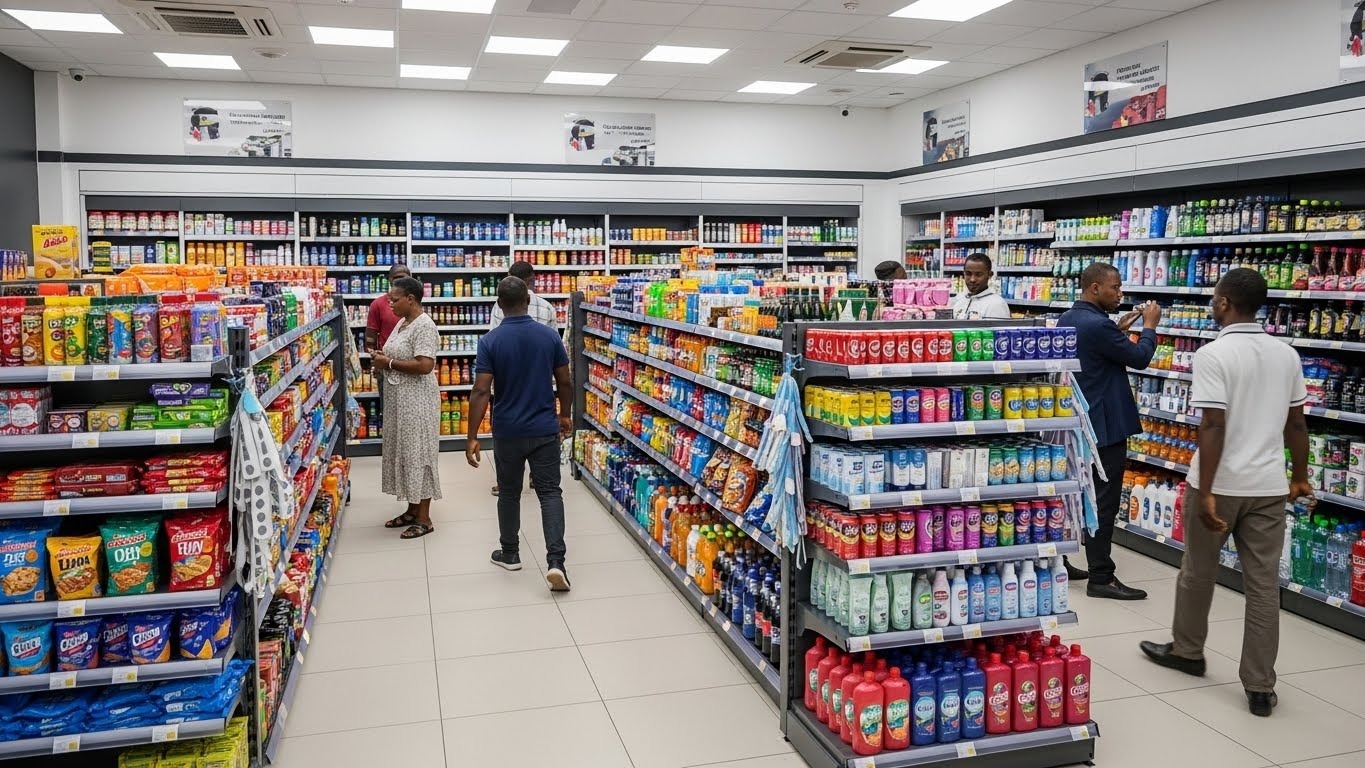
Inside some stations today, the transformation is striking. Neatly arranged aisles. Air-conditioned interiors. Sections dedicated to snacks. Others for soft drinks and water. Some even offer light household items. It feels almost like a small mall pressed into a compact space.
This doesn’t just diversify revenue, it future-proofs the business. As global energy systems shift, traditional fuel sales may eventually decline. For many companies, convenience retail is becoming the backbone of long-term strategy.
Essentials Are Driving the Boom
Ai generated
Take a walk through any of these stations, and one thing stands out: essentials dominate the shelves. Not things that require second thoughts. Just practical, everyday goods that people need regularly.
Bread — freshly stocked in the evening, when demand peaks.
Drinks and water — especially on hot afternoons or during traffic.
Noodles — the go-to emergency food.
Toiletries — indispensable for travellers and commuters.
Snacks — for school runs and in-between meals.
Because fuel stations have more stable power systems than many neighbourhood shops, refrigerated items remain cold and well-preserved. Consumers notice this reliability, and it becomes part of their purchasing routine.
Urban Life Is Accelerating the Shift
Nigeria’s biggest cities are under constant pressure: traffic, population growth, limited public transport systems, and long work hours. In this environment, quick decision-making becomes a way of life.
People shop where it makes sense, not necessarily where items are cheapest. Petrol stations sit strategically at junctions, major roads, and high-traffic areas. They are the places people pass, not the places they have to plan for. This convenience is priceless in a country where mobility is unpredictable.
A commuter who spends three hours in traffic is unlikely to visit a large supermarket afterward. But they will stop at a well-lit fuel station on the way home.
The Reliability of Payment Systems Matters More Than People Admit
POS networks fail often, and Nigerians know this frustration too well. Many small shops rely on providers with unstable connectivity. Meanwhile, petrol stations partner with platforms like Interswitch, giving them more stable transaction systems.
A failed POS payment can ruin a customer’s trust instantly. Petrol stations avoid this problem more effectively, which is why many people prefer buying from them, especially when they’re in a hurry or cashless.
Fuel Stations Are Now Feeding the Night

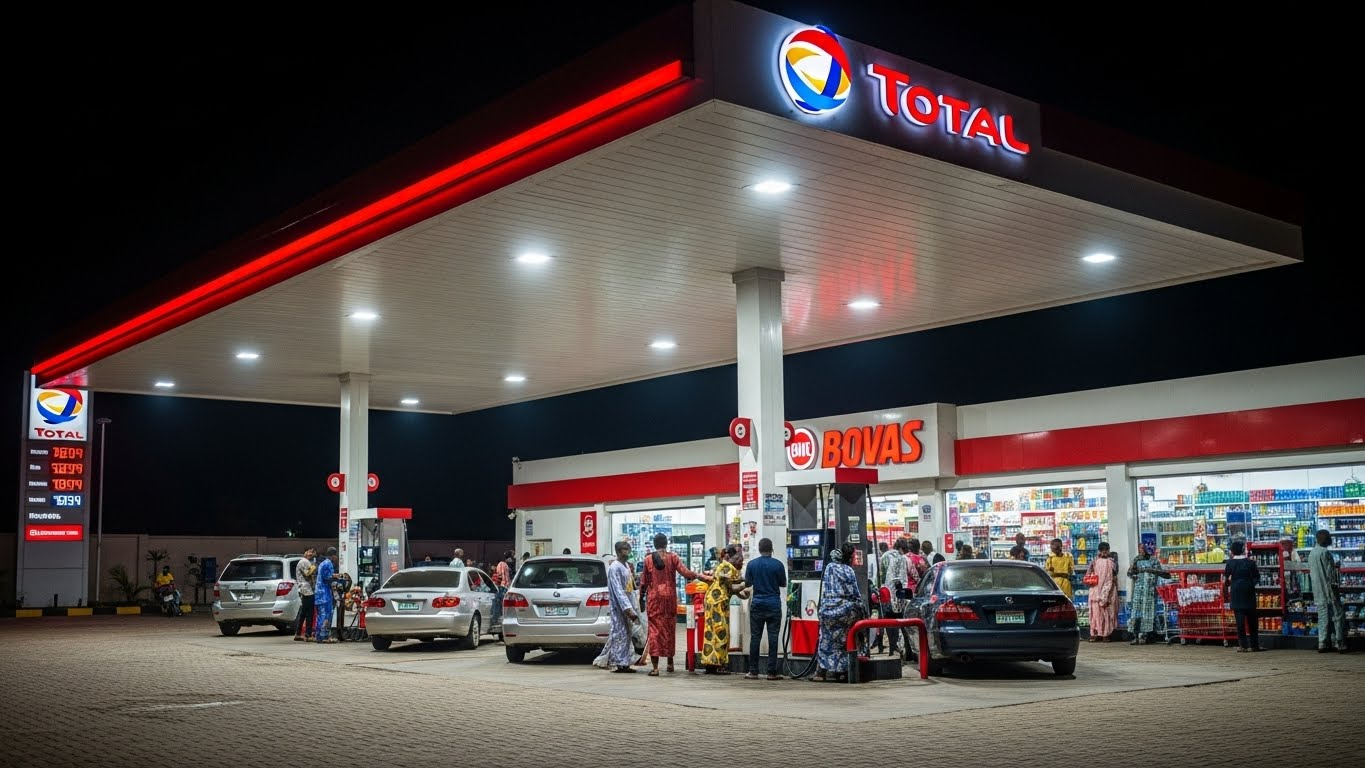
Well-lit fuel stations attract night-time shoppers seeking safety and convenience.
One of the most interesting parts of this evolution is the growth of quick-meal counters. Many fuel stations now offer:
pastries
grilled chicken
meat pies
shawarma
rice meals
snacks and finger foods
For young professionals, late-shift workers, and travellers, these spots are becoming small lifelines, reliable places to grab something warm without waiting in long queues.
This growing appetite for ready-to-eat meals has opened new revenue channels and shifted fuel stations closer to the model of global convenience hubs.
Branding Is Raising the Bar for Everyone
Walk into a modern station store and the difference is immediate. Clean aisles, labelled sections, uniformed staff, electronic price displays, and clear arrangement. This level of visual merchandising influences customers more than retailers once believed.
Shoppers associate neatness with quality. Ordered shelves build trust. Good lighting encourages browsing. These small details change how people perceive a store and ultimately, where they choose to spend their money.
A Growing Source of Local Employment
As these mini-supermarkets expand, more hands are needed. Young people now find retail jobs within these hubs from store attendants to shelf stockers, food service staff, and security personnel.
This makes petrol stations more than commercial points; they have become micro-centres of community employment, especially in areas with limited opportunities.
The transformation happening now is only the beginning. Around the world, fuel stations are preparing for a time when electric vehicles may dominate, and traditional fuel demand could decline. In those countries, stations are already evolving into:
parcel pick-up points
EV charging centres
mini-pharmacies
micro-cafés
bill payment hubs
compact co-working corners
Nigeria is not there yet, but the direction is clear. The real value of petrol stations may soon be the services inside their buildings, not the pumps outside.
What began as small shelves behind a cashier has turned into a nationwide reset of everyday shopping. Nigeria’s petrol stations have become a dependable middle ground between large supermarkets and informal shops, convenient, accessible, and constantly evolving.
In a country adjusting daily to economic shifts, urban pressure, and unpredictable routines, these hybrid fuel-and-retail spaces offer something simple but powerful: certainty. And in the landscape of modern Nigerian life, that may be the most valuable product of all.