What Happened to Ghana's Tallest Man? The Tragic Story of Awuche's Final Years
What happened to Ghana's tallest man, Awuche? The 33-year-old's death has drawn attention to the painful realities of gigantism, delayed treatment, and healthcare gaps that shaped his final years.
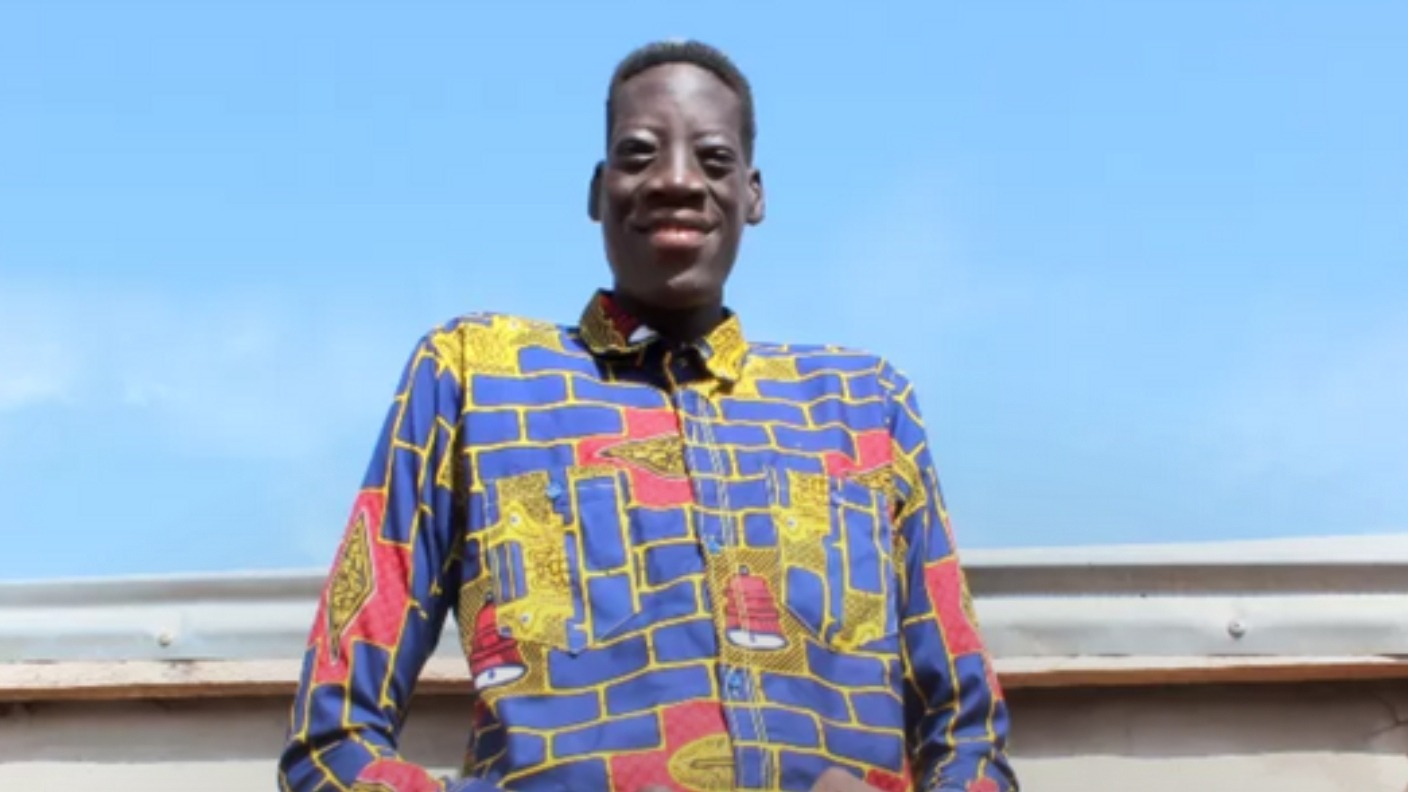
Sulemana Abdul Samed, the man Ghanaians knew simply as Awuche, has died at 33. His passing at the Tamale Teaching Hospital closes a story about a body that grew faster than the country's health system could keep up with, and a young man who paid for that gap with his life.
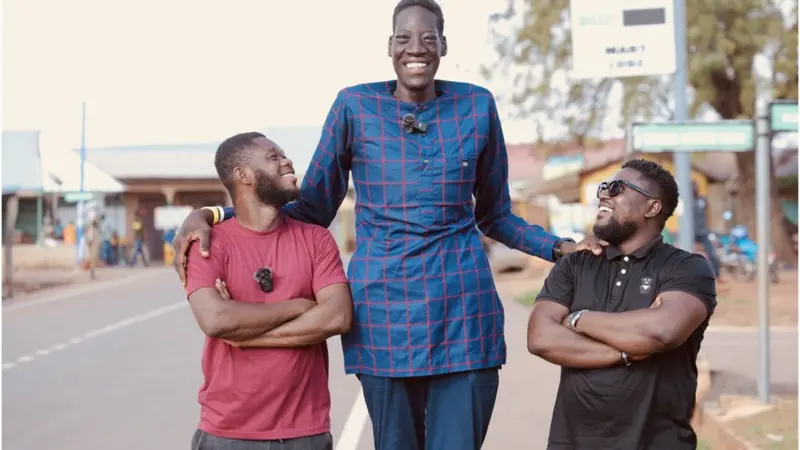
Who Was Awuche, Ghana's Tallest Man?
Awuche, whose name means "Let's Go" in Hausa, was born in 1994 in Gambaga, a village in Ghana's North East Region. For most of his life he was simply tall.
That changed when he was around age 22. He was working at a butcher's shop in Accra when began noticing his body changing in ways his peers' bodies were not. His limbs kept lengthening and his jaw and tongue grew.
Photographs of his extraordinary height eventually went viral and Ghana crowned him its tallest man, standing at roughly 7 feet 4 inches (225.5 cm) when he was measured with a tape in 2023.
Fame followed quickly. But the viral photos never showed the man whose growth was a medical emergency nobody had properly diagnosed for years.
The Diagnosis That Changed Everything
Awuche's condition was eventually linked to Marfan syndrome. This is a genetic disorder that affects connective tissue and can produce unusually long limbs, alongside gigantism driven by excess growth hormone.
This is the same broad category of endocrine disorderthat turns ordinary growth into something the skeleton and organs were never built to sustain.
If left unmanaged, gigantism would stretch joints past their limits, strain the heart and leave the skin and circulation struggling to keep pace with a frame that keeps expanding.
For Awuche, that meant chronic pain most people never see in viral photos. Mobility became harder every year. Simple things like standing for long periods, finding clothes and shoes that fit, sitting in a normal chair, turned into daily obstacles.
Gigantism is rarely fatal on its own, but its complications, especially untreated joint and skin problems, can quietly become life threatening.
Living With Gigantism: The Daily Pain Behind the Fame
What made Awuche's story so painful was the distance between how the public saw him and what he was actually living through. To many Ghanaians, he was a source of pride, a local landmark and a man whose height gave his village Gambaga a kind of identity. Relatives have since described him as generous and gentle, someone who never let his condition sour his temperament.
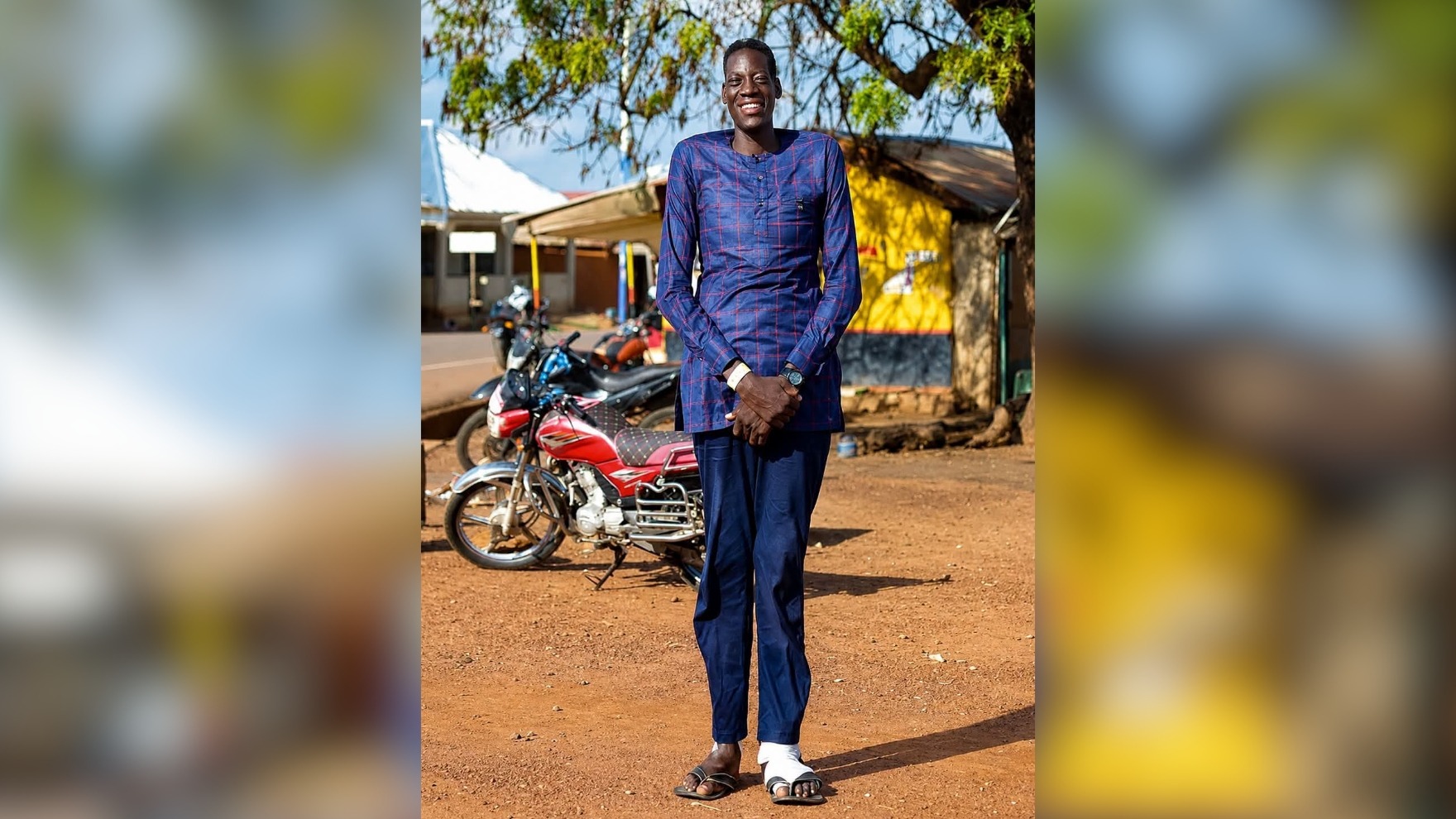
But behind that was a body breaking down. Years of untreated growth complications left him with recurring sores on his legs. Those sores were open wounds on limbs that had grown beyond what his circulation could properly support, and without early, specialised medical care, they festered.
A System That Could Not Catch Him
Ghana, like much of the region, has few specialists equipped to manage rare growth disorders, and the facilities that can treat complications like his are often concentrated far from rural communities like Gambaga.
For years, Awuche's condition was managed reactively rather than proactively. It was treated only when a crisis forced attention.
He publicly appealed for funds to cover surgery he could not afford. That alone says everything about the gap between his medical needs and what was available to him.
It took a businessman's intervention to get him from a local medical centre to a teaching hospital equipped to handle his case. By the time that help arrived, his leg infection had advanced far enough that doctors recommended amputation.
The Final Weeks: Infection and a Desperate Race Against Time
In his last weeks, Awuche was moved from the Baptist Medical Centre in Nalerigu to Tamale Teaching Hospital, roughly 160 kilometres from home, after the sores on his legs became severely infected. Part of his limb had begun to deteriorate.
Doctors moved to amputate but the infection had already taken hold. Despite the intervention and the resources finally mobilised for him, it was not enough to reverse what years of delayed, fragmented care had allowed to happen.
Awuche died on Monday, 27 July 2026, at Tamale Teaching Hospital. He was 33 years old. His death has been confirmed by family members and widely reported acrossGhanaian media, with tributes describing him as a humble, well loved figure whose height gave his community a rare kind of visibility.

Neighbours in Gambaga say strangers are still arriving at his family's home, wanting to understand how someone so young, and so recently promised support, could still lose the fight.
What His Story Reveals About Ghana's Healthcare Gaps
Awuche's death is a story about what happens when a country celebrates a man's difference without building the medical infrastructure to protect him from it. Gigantism is manageable with early hormonal treatment and consistent specialist care.
What is not manageable is a health system where that care only arrives once a crowdfunding appeal or a private donor steps in, and even then, arrives too late.