Westeros Unveiled: George R.R. Martin's 'Game of Thrones' Updates Confirm Theories, Boost 'House of the Dragon'!
Game of Thrones: The Mad King, a new play by the Royal Shakespeare Company, delves into Westeros' past, confirming a major fan theory about the Knight of the Laughing Tree's identity as Lyanna Stark. The production also deeply explores the Song of Ice and Fire prophecy, showcasing its enduring significance across the franchise and its pivotal role in shaping key relationships like Lyanna and Rhaegar's.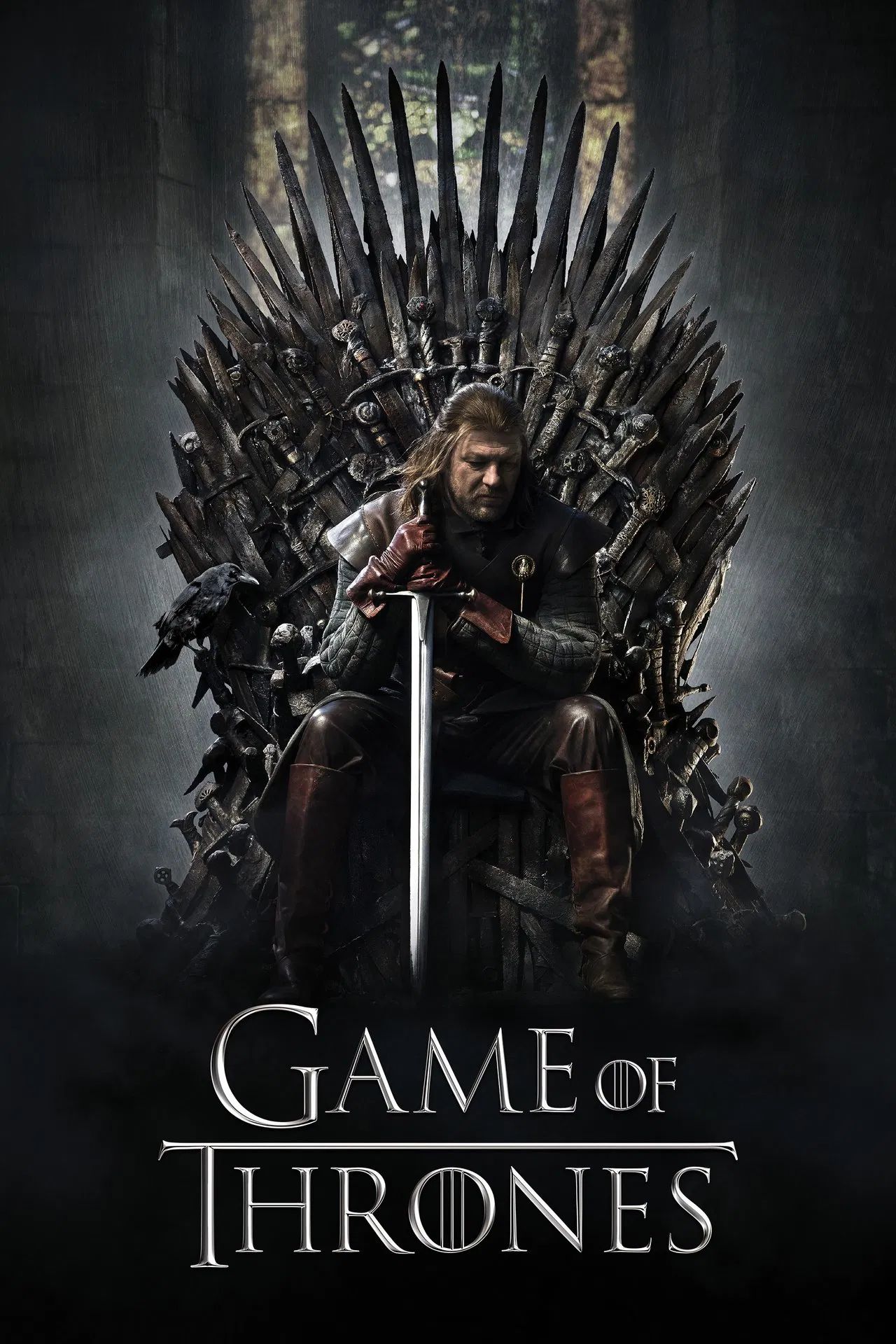
The "Game of Thrones" universe is expanding its reach, with the Royal Shakespeare Company's new play, "Game of Thrones: The Mad King," bringing the beloved franchise to the stage for the first time. Following a brief delay, the play has officially commenced its run in Stratford-upon-Avon, offering audiences a unique glimpse into Westeros' past. This particular spin-off is set just a single generation prior to the original HBO series, making it the most intimately connected to the flagship show's events. A central focus of the narrative is the infamous Tourney at Harrenhal, a moment of immense historical significance in Westeros that was never fully explored in depth by either the HBO series or George R. R. Martin's original book series.
One of the play's most anticipated revelations is its resolution to a long-standing mystery surrounding the Tourney at Harrenhal. "The Mad King" reportedly confirms the identity of the enigmatic Knight of the Laughing Tree. This knight famously defended the honor of Howland Reed and became a focal point of King Aerys II Targaryen's growing paranoia. Neither the HBO series nor Martin's books explicitly revealed the knight's identity, leaving it open to fan speculation for years. Leaning into a widely popular fan theory, the play establishes Lyanna Stark, portrayed by Harmony Rose-Bremner, as the Knight of the Laughing Tree. This confirmation significantly deepens Lyanna's already crucial role in the broader "Game of Thrones" saga.
The legend of the Knight of the Laughing Tree describes a short individual with a booming voice, bearing a shield adorned with a weirwood tree. This mysterious knight joined the lists late at the Tourney to challenge the knights whose squires had bullied Howland Reed. King Aerys II himself was reportedly frustrated by his inability to unmask the knight, despite his efforts. Given only clues such as the knight's stature, their distinct shield referencing the Old Gods, and the fact that the Stark siblings were the sole witnesses to the incident involving Howland Reed, fans developed various theories over the years. Possible candidates ranged from Howland Reed himself to Ashara Dayne or even Ned Stark. However, the theory positing Lyanna Stark as the knight remained the most popular, and this is the version that "The Mad King" dramatizes.
In the play's rendition, Lyanna's brothers are unaware of her actions, ensuring that few, if any, could confirm her secret role during the years leading up to "Game of Thrones." However, one person does uncover the truth: Lyanna confesses her identity to Prince Rhaegar Targaryen, played by Noah Ritter, who then helps her conceal her involvement. This shared secret between Lyanna and Rhaegar becomes instrumental to their developing relationship and, by extension, to the monumental events that precede "Game of Thrones," including the war and the eventual birth of Jon Snow (Kit Harington).
Beyond resolving historical mysteries, "The Mad King" also delves deeper into the "Game of Thrones" franchise's famous prophecy: the Song of Ice and Fire. While the prophecy's fulfillment doesn't occur until the events of the original "Game of Thrones" with the Long Night and the White Walkers, its influence has shaped Westeros for generations. "House of the Dragon" recently re-emphasized this prophecy, explaining its origin from Aegon the Conqueror and its significance to the Targaryen legacy, with Rhaenyra's obsession with fulfilling it in Season 3. "The Mad King" continues this exploration, with Rhaegar Targaryen, like Rhaenyra, deeply invested in fulfilling the prophecy. Audience reports indicate that both Rhaegar and King Aerys II (Michael Shaeffer) are preoccupied with the prophecy's words – Aerys in his madness, and Rhaegar as a Targaryen dreamer experiencing visions.
Rhaegar initially believes himself to be the prophesied figure, due to a family legend claiming his conception under a red star, as the prophecy foretells. However, when Aerys reveals this to be mere propaganda, Rhaegar is forced to seek a different interpretation. Lyanna Stark, who seemingly possesses Greenseer abilities akin to her nephew Bran, also dreams of the prophecy. She offers a distinct interpretation: the "Song of Ice and Fire" refers not to dragons and White Walkers, but to the union of the Targaryen and Stark lines. This belief leads her and Rhaegar to conceive a child, Jon Snow, whom they expect to fulfill the prophecy. Intriguingly, the play also positions Daenerys Targaryen as a potential candidate, as both couples – Lyanna and Rhaegar, and Aerys and his queen – conceive children (Jon and Daenerys respectively) when a red star appears in the sky, demonstrating the prophecy's pervasive significance throughout Westeros' history.
While the confirmation of Lyanna Stark as the Knight of the Laughing Tree and the exploration of the prophecy are exciting, it's important to note that "The Mad King" is not officially regarded as canon. Although the play's depiction of Lyanna fits well with the existing lore and will undoubtedly thrill many fans who championed this theory, it does not constitute a full confirmation from the ultimate source. The story is an adaptation, and elements could still diverge from George R.R. Martin's ultimate vision for his "A Song of Ice and Fire" novels, should they be published. The play's full title, "Game of Thrones: The Mad King," explicitly links it more to the HBO series than to Martin's book series.
Nevertheless, the play's resolution to this long-held mystery is not entirely baseless. George R.R. Martin himself was involved in the production, and he previously praised the play, stating, "Duncan [Macmillan]'s masterful script honours the world completely." This endorsement lends significant credence to the idea that the play's major plot points, if not every minute detail, align with Martin's intended narrative. While Martin is known for his vocal criticism of adaptations that stray from his work, his positive remarks about "The Mad King" suggest a close adherence to his vision, particularly regarding pivotal revelations like Lyanna's identity as the Knight of the Laughing Tree and the depth of the Song of Ice and Fire prophecy.
The prophecy of the Song of Ice and Fire is increasingly becoming a central "through line" across the entire "Game of Thrones" franchise. From its ultimate fulfillment in the original series, to "House of the Dragon" detailing its origins from Aegon the Conqueror, and now "The Mad King" exploring different Targaryen interpretations and attempts to fulfill it, the prophecy consistently connects these disparate stories. Future spin-offs, such as "A Knight of the Seven Kingdoms" and the upcoming film about Aegon's Conquest, have further potential to expand on this theme. While "The Mad King"'s emphasis on Rhaegar's shared dream might appear to lessen the unique weight given to the prophecy in "House of the Dragon," it ultimately strengthens the overall narrative by demonstrating that the Targaryens have long striven to understand these words and ensure the birth of the Prince That Was Promised, thereby more closely tying the entire franchise together.