Volta Region Crisis: Communities Demand Permanent Action on Coastal Erosion
Anlo MP Richard Kwame Sefe warns the government about worsening coastal erosion and flooding in the Volta Region, with residents demanding permanent engineering solutions over temporary relief. He also criticizes the mismanagement of a $150 million World Bank-funded project, alleging excessive spending on consultancy and workshops instead of crucial physical sea defence construction. Communities face repeated displacement and call for immediate action, including dredging the Volta estuary.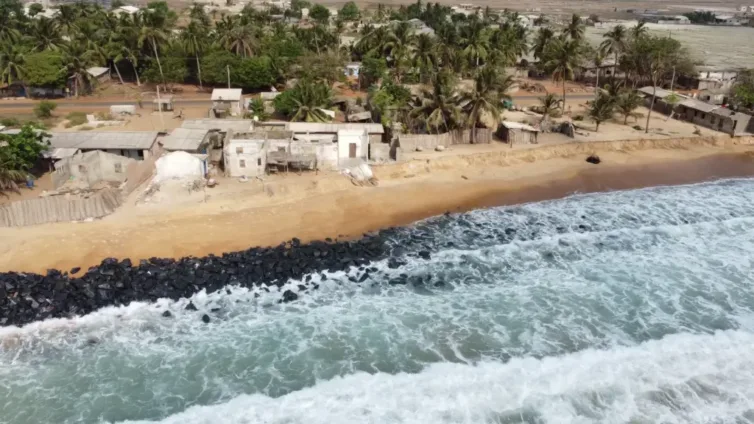
The Member of Parliament for Anlo, Richard Kwame Sefe, has issued a strong warning to the governing National Democratic Congress over worsening coastal erosion and persistent flooding in the Volta Region.
Speaking on Super Morning Show, he stressed that tidal waves and spillovers from Volta Lake are threatening homes, livelihoods, and safety, cautioning that continued inaction could trigger serious public backlash from affected communities.
Residents in the Anlo District have rejected temporary relief items, demanding permanent engineering solutions to coastal erosion and lagoon flooding.
Many families have been displaced multiple times, now living in makeshift shelters with diminishing hope for stability.
The crisis spans dozens of communities, particularly in the Shima and Coma areas, where heavy rainfall worsens river and lagoon overflow. Calls for dredging the Volta estuary have intensified, as locals argue it is essential to breaking the recurring cycle of flooding and destruction.
Sefe also questioned the management of the $150 million West Africa Coastal Areas Management Programme, warning that excessive spending on consultancy, workshops, and logistics is delaying critical sea defence construction.
He criticized the hosting of stakeholder meetings far from affected areas and warned that funds risk being depleted before tangible infrastructure is delivered.
Referencing the 1999 Keta Sea Defence Project, he urged immediate, large-scale physical intervention, emphasizing that communities need action, not prolonged planning, to survive the advancing environmental threat.